Angelfish Habitat and Behavior at a Glance
Before we get carried away talking about moody fins and dramatic stares, here’s the quick stuff you actually came for.
- Minimum tank size: 30 gallons tall (height matters more than length).
- Temperature: 76–82°F. Stable. Not bouncing around like crazy.
- pH: 6.5–7.5, slightly acidic feels best.
- Behavior: Calm… until breeding mode flips on.
- Best setup: Vertical plants, driftwood, gentle flow.
- Tank mates: Medium peaceful fish. No fin nippers.
Use the Tank Volume Calculator if you’re guessing your water volume. Please don’t guess. I did once. I regretted it :/
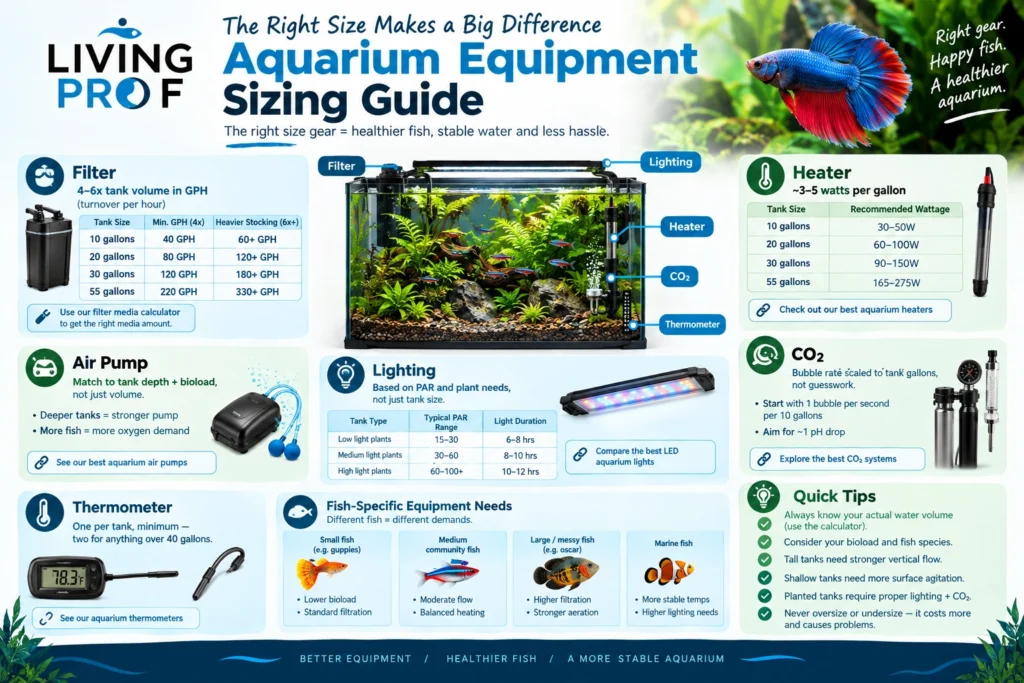
If you’re still picking gear, check the Tank Capacity and Equipment Guide. It helps you match equipment to tank size instead of winging it.
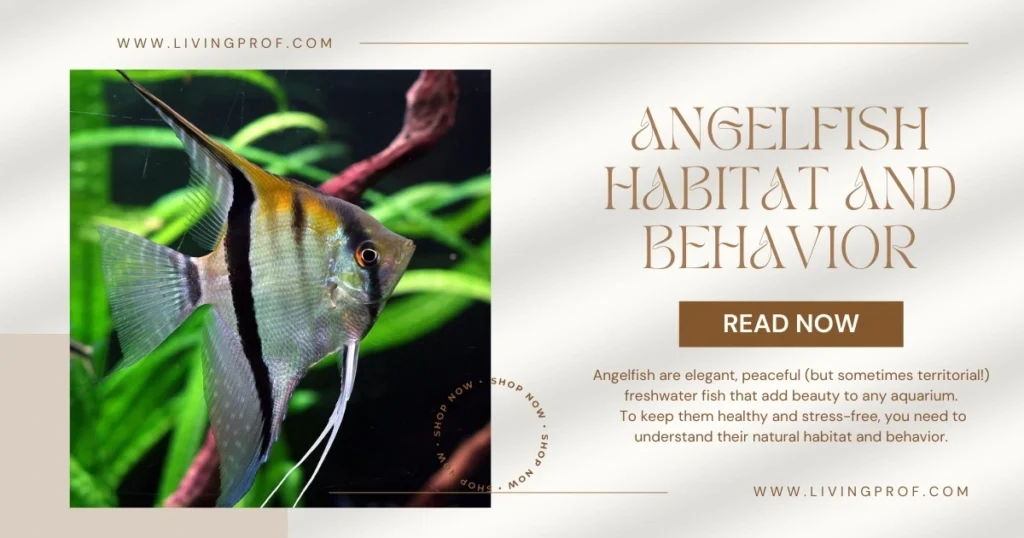
Angelfish look graceful. They act thoughtful. Then one day they pick a corner and defend it like tiny underwater landlords. Ever seen a fish glare at you? Yeah. That.
Let’s break down what actually shapes angelfish habitat and behavior so you don’t learn everything the hard way like I did.
Understanding Natural Angelfish Habitat (Amazon Roots)
Wild angelfish come from the Amazon Basin. Slow rivers. Flooded forests. Tall submerged roots. No blasting currents. No neon gravel.
They move through vertical branches and plants, not wide open spaces. That’s why a tall tank works better than a shallow wide one. Height equals comfort.
In the wild they experience:
- Warm, soft water
- Tannins from driftwood
- Dense plant cover
- Calm flow
You can recreate that vibe using real plants and stable lighting. If you grow plants, look at the Best CO2 Systems for Planted Aquariums. Strong plants reduce stress behavior. That’s not theory. I’ve tested bare tanks vs planted tanks, and the difference is obvious.
Lighting matters too. Bright lights with no cover stress them out. Use controlled lighting like options in the Best LED Aquarium Lights Compared 2026 Buyer’s Guide.
Ever notice angelfish tilt sideways between tall leaves? That’s natural posture. They feel secure in vertical structures. Give them that and you’ll see calmer swimming patterns.
Skip the plastic castle. Give them wood and height. Simple.
Tank Size and Vertical Space: Why Height Wins
People obsess over gallons. I obsess over height.
A 30-gallon tall works for a pair. A group needs 40+ gallons. If you crowd them, aggression increases fast. I’ve watched siblings turn into rivals over 2 inches of territory. It’s wild.
Here’s what happens in small tanks:
- Constant chasing
- Fin damage
- Stress stripes
- Pair dominance
Use the Tank Volume Calculator to get the real number. Decorations displace water. That changes filtration needs too.
Temperature stability keeps behavior steady. Sudden drops make them skittish and defensive. I always use reliable heaters from the 7 Best Aquarium Heaters Tested & Reviewed. Stable heat equals stable fish.
Angelfish grow tall. Their fins stretch like sails. Why buy a tall fish and give it a low ceiling? Doesn’t make sense, right?
Give them vertical freedom and you’ll see slow, confident movement instead of frantic darting.
Water Parameters That Keep Angelfish Calm
Angelfish react fast to unstable water. You might not see ammonia spikes, but they feel it.
Keep temperature between 76–82°F. I personally stick to 78°F for community tanks. Use accurate tools like those in Aquarium Thermometers. Cheap thermometers lie sometimes. FYI.
pH range: 6.5–7.5 works fine. Stability beats chasing perfect numbers.
Filtration should create gentle flow, not a hurricane. They come from slow waters. Check options in 10 Best Aquarium Filters for Freshwater & Reef Tanks.
Add aeration if oxygen seems low. The Best Aquarium Air Pumps – Quiet & Powerful Options guide helps you pick one that doesn’t buzz like a mosquito in your room.
Signs your water annoys them:
- Clamped fins
- Rapid breathing
- Hiding behind filter
You fix behavior by fixing environment. Always.
Angelfish in Community Tanks: Sweet or Sneaky?
Young angelfish behave peacefully. Adults develop opinions.
They tolerate:
- Larger tetras
- Corydoras
- Calm gouramis
They dislike:
- Fin nippers
- Very small fish
- Aggressive cichlids
Read compatibility details in the Breeding Aquarium Fish Tank Companions Guide. It saves headaches.
If you want unique tank mates, browse the Tropical Freshwater Rare Aquarium Fish Selection Guide.
Ever seen an angelfish silently stalk a smaller tetra? That slow glide? That’s instinct. They’re cichlids. Don’t forget that.
Keep groups balanced. Provide plants as visual barriers. Reduce line-of-sight aggression. Simple adjustments change everything.
Breeding Behavior: When Romance Turns Intense
Once a pair forms, everything shifts.
They clean flat surfaces. They guard eggs fiercely. They chase anything that breathes near their nest. I’ve seen them chase my hand like tiny aquatic bodyguards 🙂
They prefer:
- Vertical leaves
- Slate pieces
- Filter pipes
They defend about 6–12 inches of territory.
Read more setup tips in the Breeding Aquarium Fish Tank Companions Guide.
Breeding mode increases aggression. Separate pairs if needed. Community harmony drops fast during spawning.
Want stronger fry? Feed quality protein. The guide on Which Food Grows Monster Fish Faster explains nutrition timing clearly.
Breeding shows you their true personality. Protective. Focused. Slightly dramatic.
Common Behavioral Problems (And What They Mean)
Angelfish communicate through behavior. You just need to read it.
Chasing nonstop? Tank too small.
Hiding constantly? Stress or bullying.
White stringy poop? Possible parasites.
If you suspect worms, check Praziquantel for Fish – When and How to Use This Deworming Medicine.
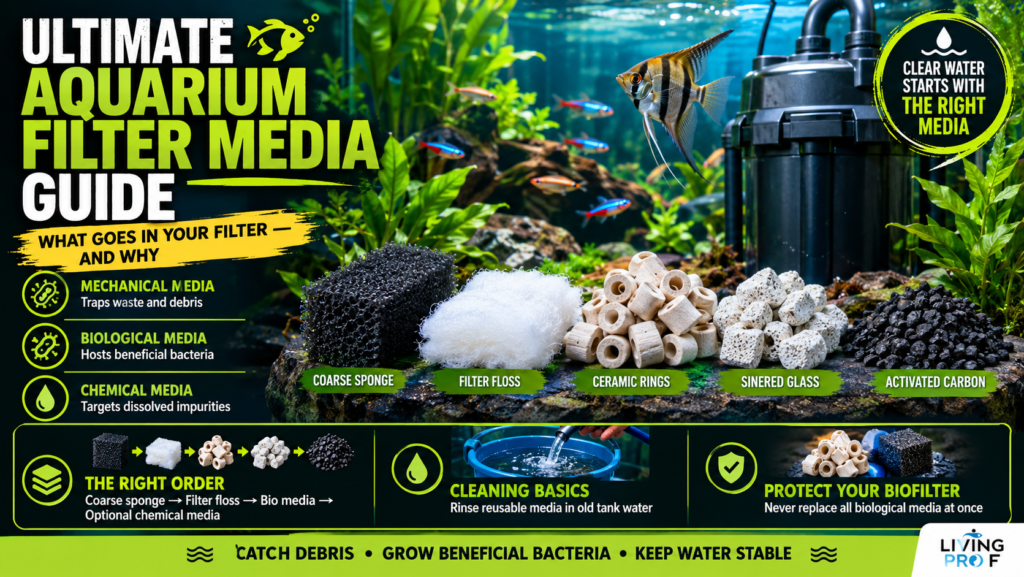
Filtration overload can also cause stress. Calculate proper media with the Filter Media Calculator.
They show vertical stress bars when upset. Remove the cause instead of medicating blindly.
Behavior always points to environment. Always.
My Personal Angelfish Setup Blueprint
Here’s what works for me every time:
- 40-gallon tall tank
- Moderate sponge + canister filter
- 78°F stable heater
- 8-hour light cycle
- Dense Amazon swords
- Driftwood center structure
I calculate light intensity using the Aquarium Lighting Calculator. Too much light increases stress.
Feeding schedule:
- Morning flakes
- Evening frozen bloodworms
- Weekly fasting day
Balanced feeding reduces aggression. Overfeeding increases waste and mood swings.
IMO, stable routine matters more than fancy gear. Keep water clean. Keep structure vertical. Keep flow calm.
Do that, and your angelfish stop acting chaotic and start gliding like they should.
Frequently Asked Questions About Angelfish Habitat and Behavior
Why do angelfish chase each other?
They establish hierarchy or defend territory. Increase space or add visual barriers.
Can angelfish live alone?
Yes, but they show better natural behavior in pairs or small groups.
Why do they guard one corner?
They claim territory or prepare to breed.
Do angelfish need plants?
They don’t “need” them to survive, but plants reduce stress and aggression massively.
Why do stress stripes appear?
Poor water quality, bullying, or sudden parameter changes trigger them.