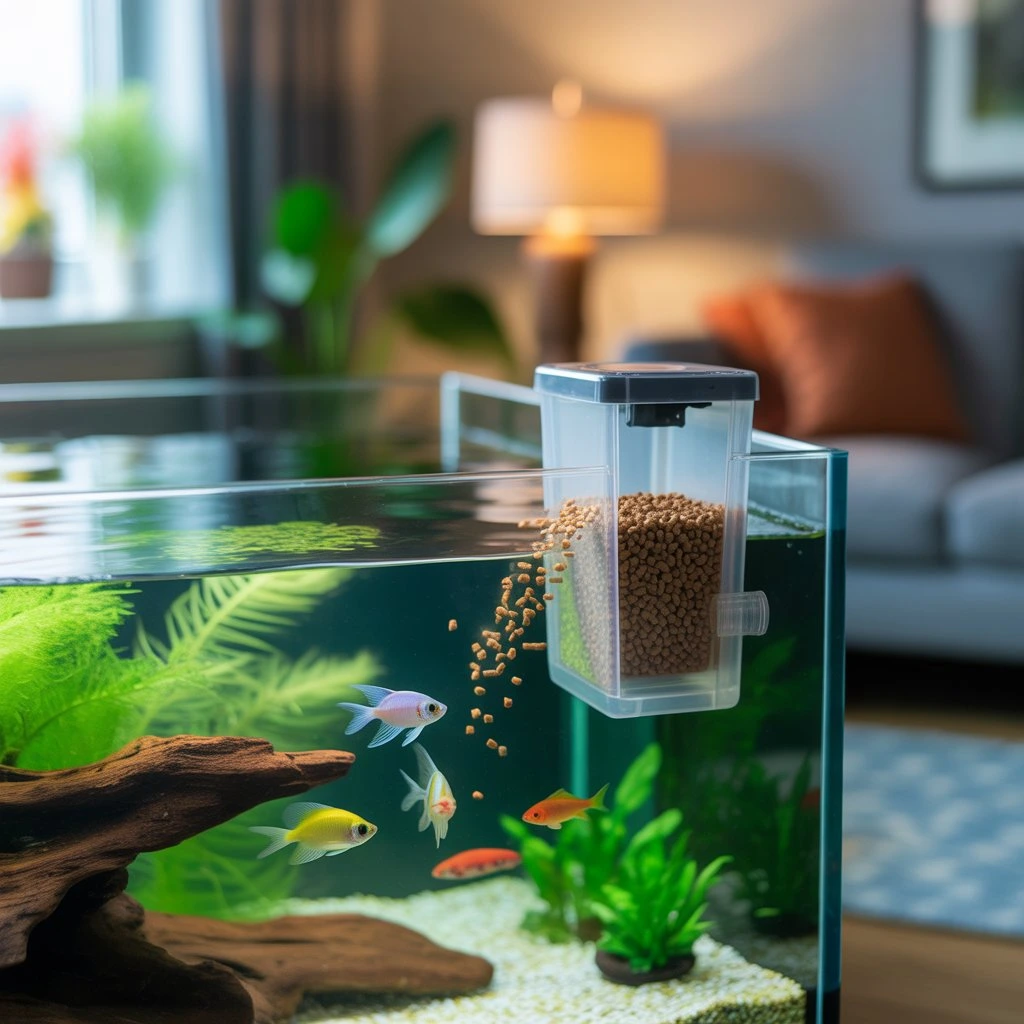
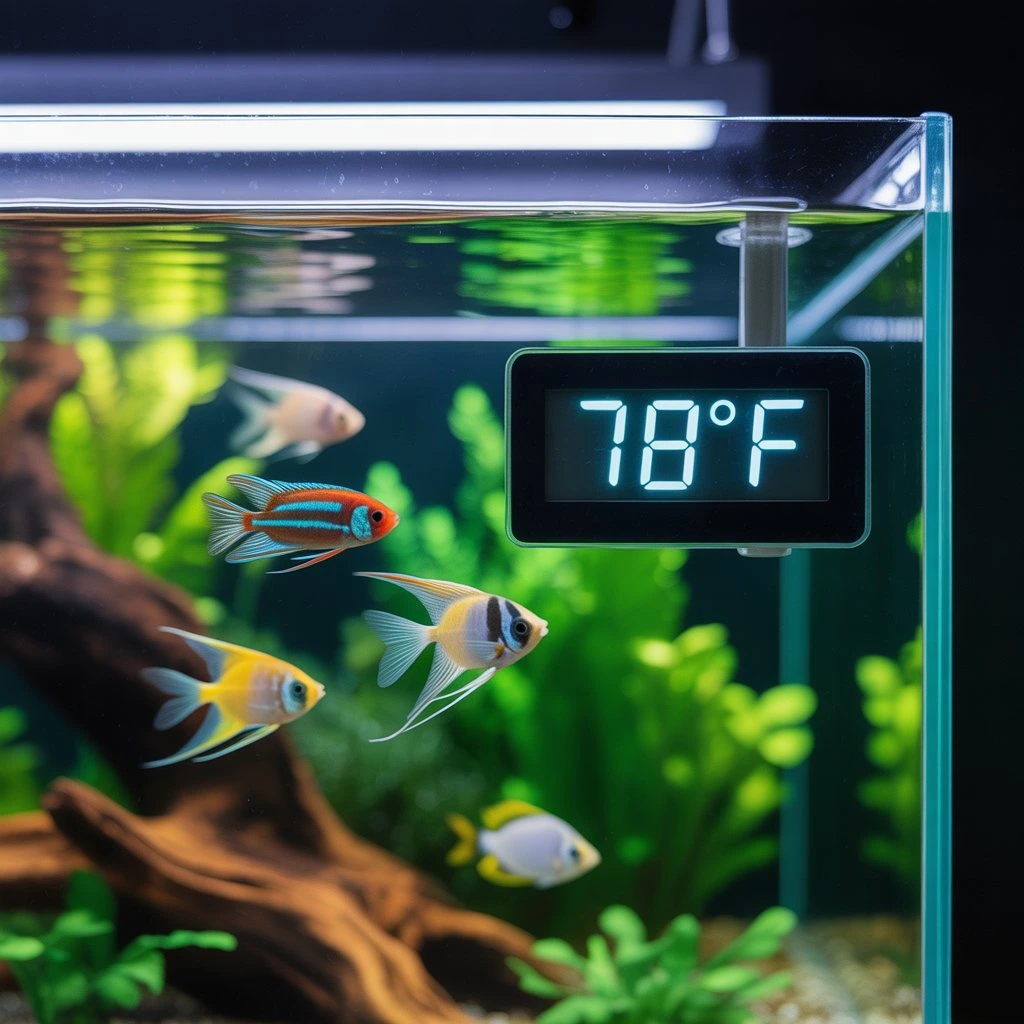
Key Takeaways
- Digital probe thermometers give the most stable readings for most tanks
- Stick-on strips look clean but can read 1–2°F off, yeah it happens
- Big tanks and monster fish setups need two thermometers, not one
- Reef tanks demand tighter control than basic community tanks
- Always cross-check your thermometer with your heater setting from this aquarium heaters tested & reviewed guide
- I trust brands like Fluval, Eheim, Inkbird, and Zoo Med over random no-name stuff
Why Aquarium Thermometers Matter More Than People Admit
Let me ask you something.
Have you ever trusted your heater dial and just… hoped it was correct? Yeah. I did that once. My tank said 78°F. The fish said “nah bro, it’s 82.”
Fish don’t forgive temperature swings. They just stress out quietly. Then they get sick. Then we panic and google stuff at 2AM. Not fun.
When I set up tanks—especially planted ones running strong light from this Best LED Aquarium Lights Compared (2026 Buyer’s Guide)—I always double-check heat. Lights warm water. CO₂ setups warm cabinets. Pumps add friction heat. Everything adds up.
And if you’re keeping sensitive fish from this rare tropical freshwater fish selection guide, temperature stability matters even more.
You want:
- Stable daily range (no wild swings)
- Accurate reading within 1°F
- Easy visibility
Simple, right? But choosing the right thermometer actually matters more than most people think. I learned that the annoying way.
Digital Probe Thermometers – My Go-To Choice
Alright. Digital probes.
These sit outside the tank with a sensor wire inside the water. They give quick, clear readings. And IMO, they’re the most practical for 90% of hobbyists.
Why I Like Them
- Fast response time
- Large display
- Usually accurate within ±1°F
- Cheap compared to lab-grade stuff
I’ve used:
- Fluval Nano Digital Thermometer
- Inkbird ITC series monitors
- Eheim Digital Thermometer
They don’t look fancy. They just work. That’s what I want.
If you run high-tech planted tanks with gear from this Best CO2 Systems for Planted Aquariums guide, temperature shifts happen faster than you think. Digital probes show that shift quickly.
One tip though.
Don’t let the probe sit right next to the heater. That gives fake readings. Put it mid-water column. Let it read the real tank temp.
Ever wondered why fish gasp even when your heater says it’s fine? That’s usually poor circulation. Check your flow from this 10 Best Aquarium Filters for Freshwater & Reef Tanks list too.
Stick-On Strip Thermometers – Convenient But Flawed
You know those colorful stick-on strips?
They look clean. They cost almost nothing. They make beginners feel organized.
But… they read surface glass temperature. Not direct water temp. And room temp affects them.
I tested one once against a digital probe. It showed 76°F. The probe said 78.5°F. That’s not a tiny difference.
They work okay for:
- Betta tanks
- Low-budget setups
- Backup monitoring
But if you keep fish from this Marine Exotic Saltwater Fish Reef Guide, I would not rely on them alone.
Pros:
- Cheap
- No wires
- Easy install
Cons:
- Less accurate
- Slower response
- Room temperature interference
I still keep one as a secondary check. Just not my main tool.
Glass Thermometers – Old School But Reliable
I kinda respect glass thermometers.
They float or suction inside the tank. No batteries. No screens. No drama.
Brands I trust:
- Zoo Med Floating Thermometer
- Marina Floating Thermometer
They’re surprisingly accurate. The issue? They break. And glass in a tank makes my heart rate spike a little :/
Still, if you run coldwater fish setups like in this Coldwater Subtropical Fish Care Guide, a simple glass thermometer works fine.
Placement tip:
- Keep away from heaters
- Keep away from strong filter outlets
Basic rule: Measure where fish actually swim.
Big Tanks & Monster Fish – You Need Two Thermometers
If you keep fish from this Monster Exotic Giant Aquarium Fish Care Guide, one thermometer is not enough.
Why?
Large tanks develop temperature zones.
Top water differs from bottom.
Near filter differs from far corner.
I run:
- One digital probe mid-level
- One glass thermometer opposite side
And yes, I’ve caught 2°F differences before.
Large tanks with strong aeration from these Quiet & Powerful Aquarium Air Pumps cool faster too.
Do you need two?
If your tank is over 75 gallons… honestly, yeah.
Reef Tanks & Tight Temperature Control
Reef tanks don’t tolerate guessing.
Corals react fast. Shrimp react faster. And some marine fish from this Marine Exotic Reef Guide stress at 1°F swings.
I recommend:
- Digital thermometer
- Controller like Inkbird ITC-306T
- Heater redundancy
Pair it with strong filtration from this Filter Guide.
Reef range:
- 76–78°F stable
- Max swing: 1°F daily
Ever had a heater stick “on”? Yeah… that’s when you wish you had alarms.
Best Aquarium Thermometers on Amazon (USA)
Here’s a solid list for affiliate picks:
1. Inkbird ITC-306T Temperature Controller
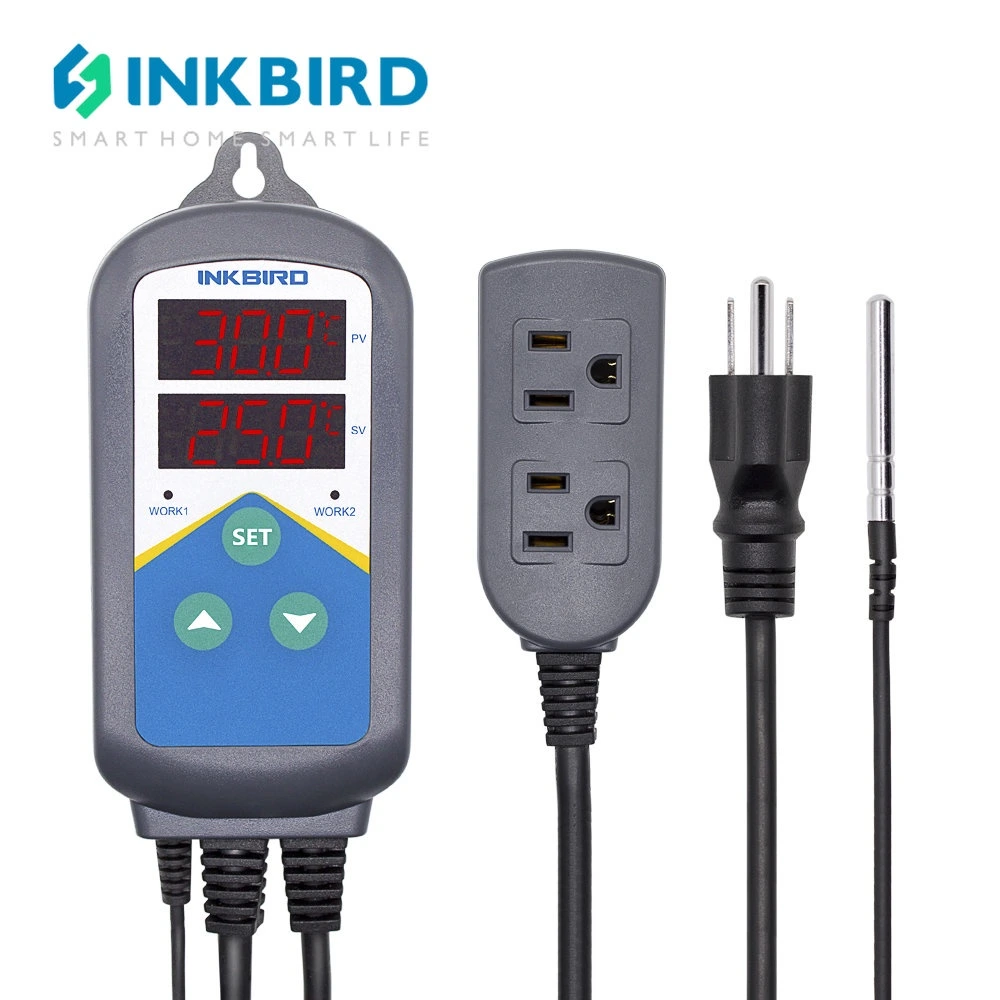
- Controls heater directly
- Built-in probe
- Alarm system
Best for reef tanks
Check Price on Amazon
2. Zoo Med Floating Aquarium Thermometer
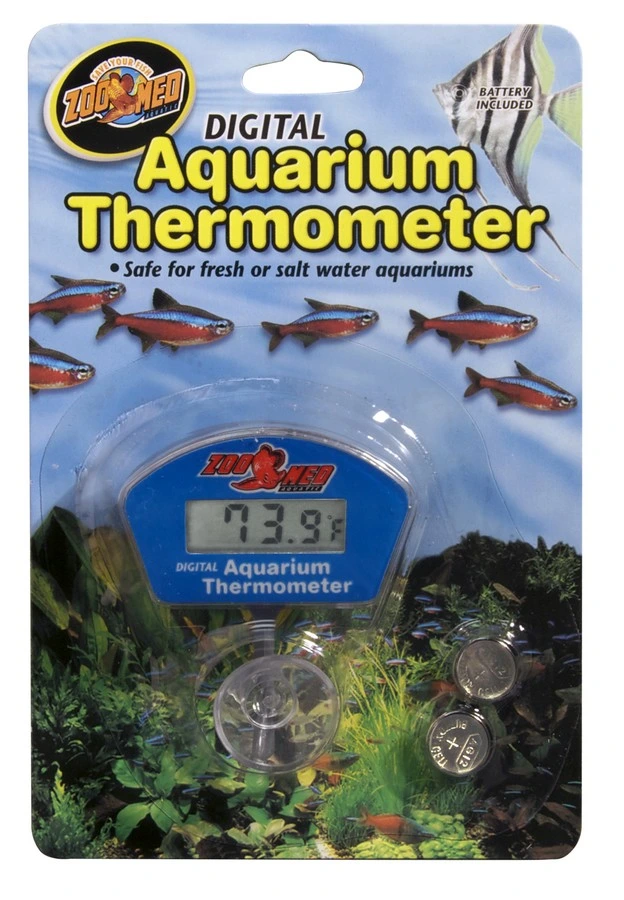
- Cheap
- Reliable
- No batteries
Best budget backup
Check Price on Amazon
3. Marina Floating Thermometer with Suction Cup
- Simple
- Durable
- Affordable
Good for community tanks
Check Price on Amazon
I avoid random brands with zero reviews. Saving $4 isn’t worth losing fish.
How I Personally Check Temperature (My Routine)
Here’s my weekly habit:
- Check digital reading
- Compare with heater dial
- Cross-check glass thermometer
- Observe fish behavior
If fish act weird, I double-check everything.
When I medicate using things like Praziquantel for Fish – When and How to Use This Deworming Medicine, I monitor temperature even more closely. Medications alter oxygen levels. Heat changes oxygen too.
Temperature + oxygen = fish survival. That’s the equation.
And if you breed fish using advice from this Breeding Aquarium Fish Guide, temperature precision triggers spawning cycles.
Frequently Asked Questions
What temperature should a freshwater tank stay at?
Most tropical freshwater fish thrive at 76–80°F. Always check species-specific needs.
Are digital thermometers more accurate?
Yes, usually within ±1°F. Stick-on strips often vary more.
Do I need two thermometers?
For tanks over 75 gallons or reef systems, yes. I strongly suggest it.
Can I trust my heater dial?
No. Always verify with a thermometer.
How often should I check temperature?
Daily glance. Weekly full cross-check.