Key Takeaways
- Pressurized CO2 systems give the most stable and controllable results.
- Dual-stage regulators prevent dangerous CO2 dumps.
- Match CO2 output to tank size using a tank volume calculator.
- Strong lighting without CO2 causes algae. Every time.
- Proper flow spreads CO2 evenly across plants.
Why CO2 Changes Everything in a Planted Tank (and Why Your Lights Matter Too)
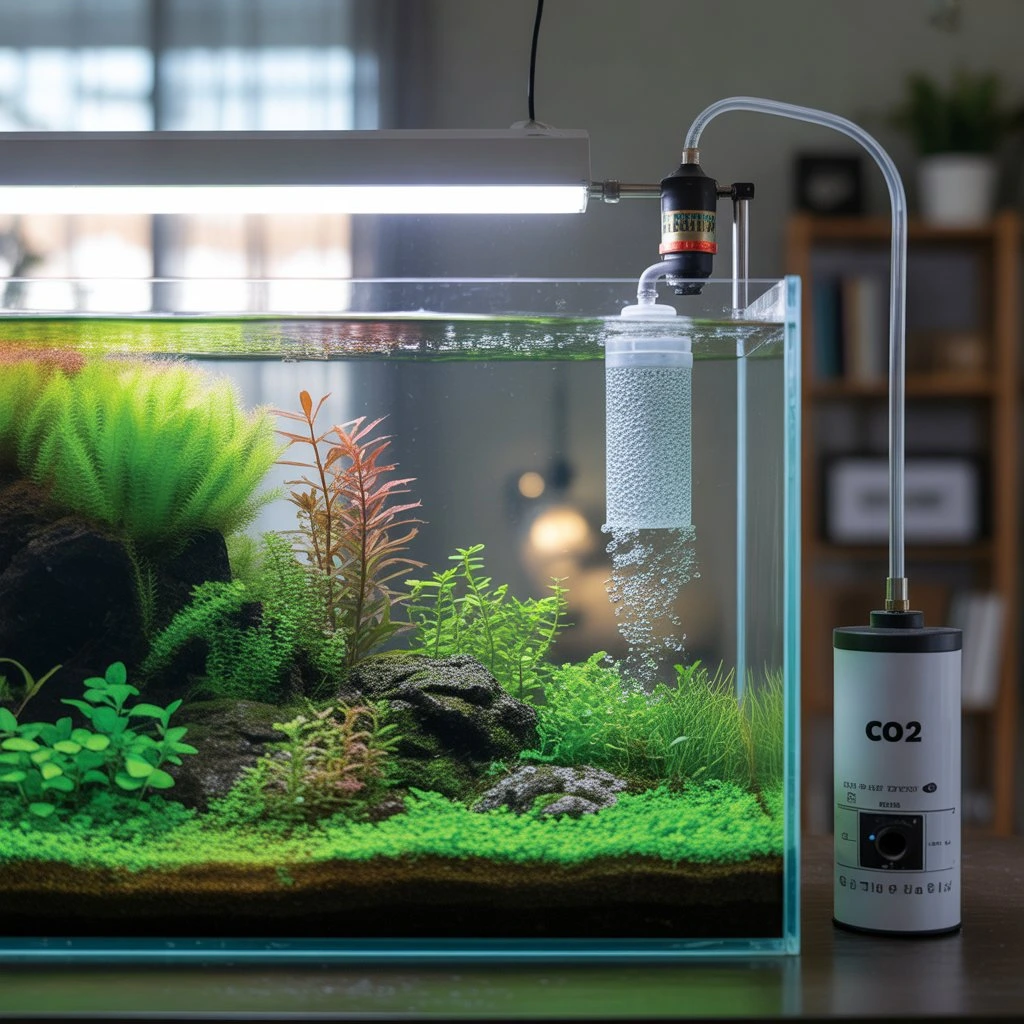
You ever stare at your plants and think, “Why do you look tired?” Yeah. I’ve done that. The truth usually sits right in front of us: no CO2, no serious growth.
Plants eat light and carbon dioxide. If you blast them with strong LEDs from my guide on Best LED Aquarium Lights Compared (2026 Buyer’s Guide) but skip CO2, algae throws a party. And algae never cleans up after itself. Trust me, I learned that the messy way.
Before you even pick a system, calculate your tank size with the Tank Volume Calculator. Guessing volume feels brave, but it usually ends bad. IMO, precision saves fish and plants.
When I added proper CO2 to my 75-gallon jungle tank, stem plants stopped melting. Leaves thickened. Reds deepened. Growth sped up in days, not months. Ever wondered why aquascapers get that dense carpet look? Yeah… CO2.
Pressurized CO2 Systems – My Go-To for Serious Growth
If you want control, go pressurized. Simple.
1. FZONE Pro Series Dual Stage CO2 Regulator
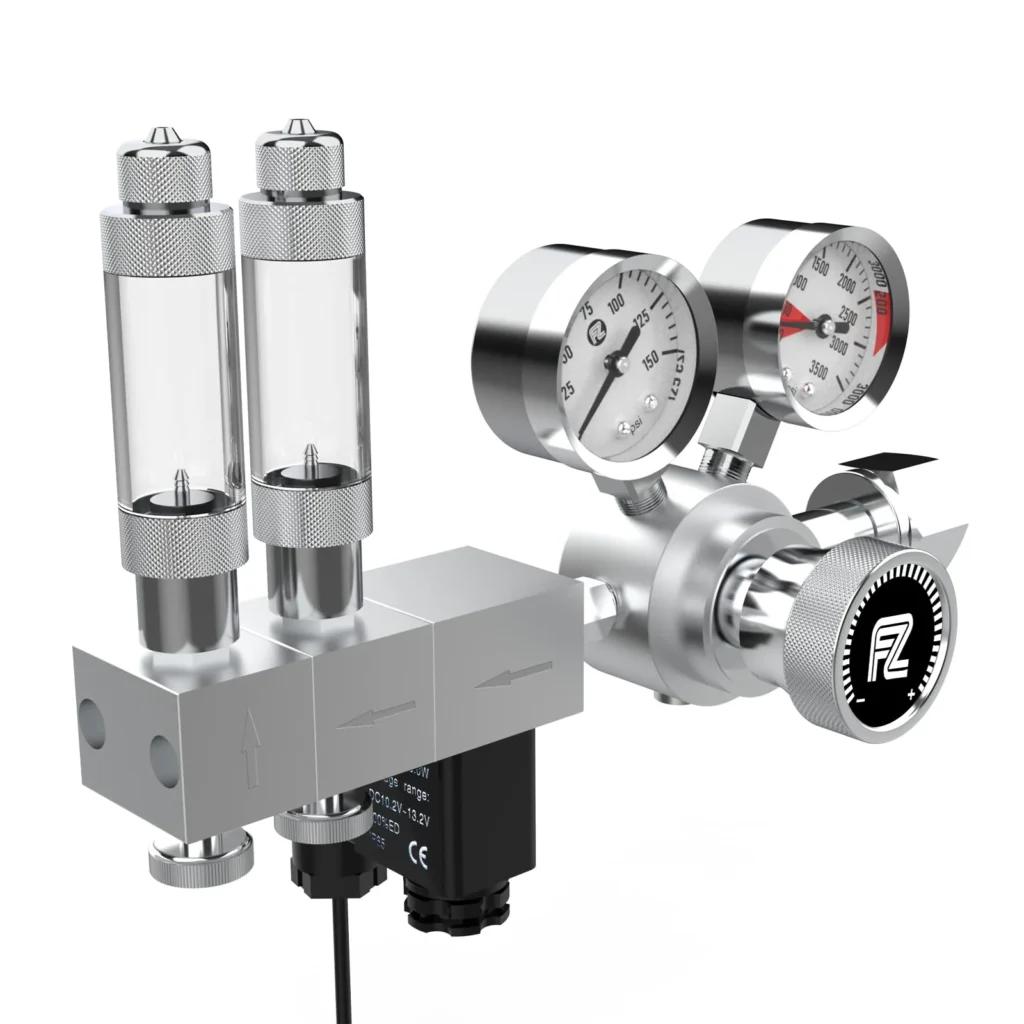
Best for stability
- Dual-stage prevents end-of-tank dump
- Precise needle valve
- Solenoid for timer control
Check Price on Amazon
2. CO2Art Pro-SE Series Regulator
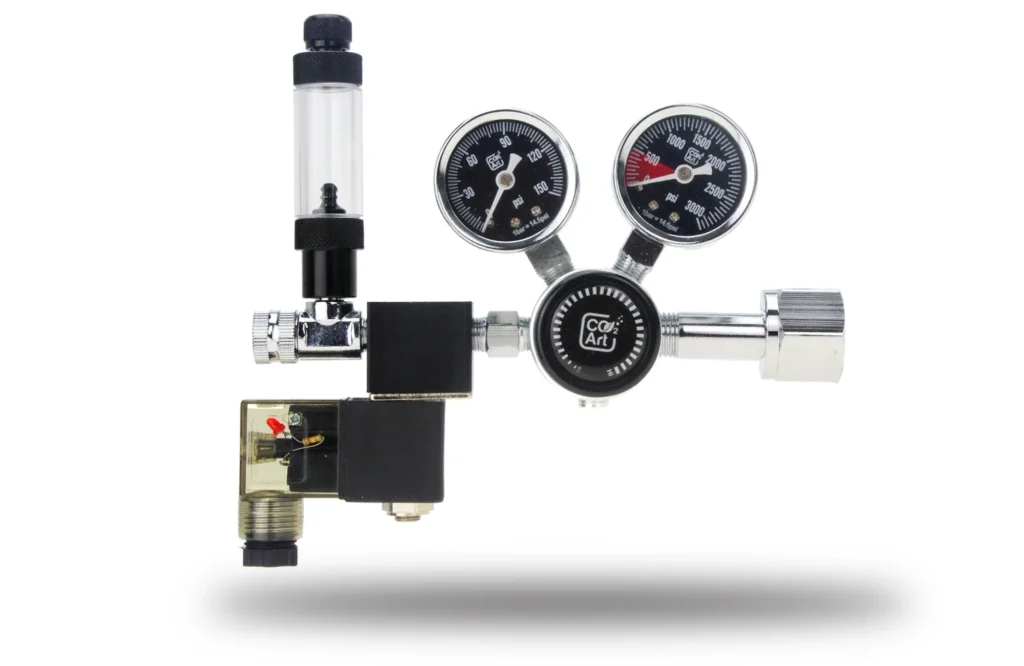
Premium control
- Built-in bubble counter
- Extremely stable pressure
- Great for 40–120 gallon tanks
Check Price on Amazon
3. VIVOSUN CO2 Regulator
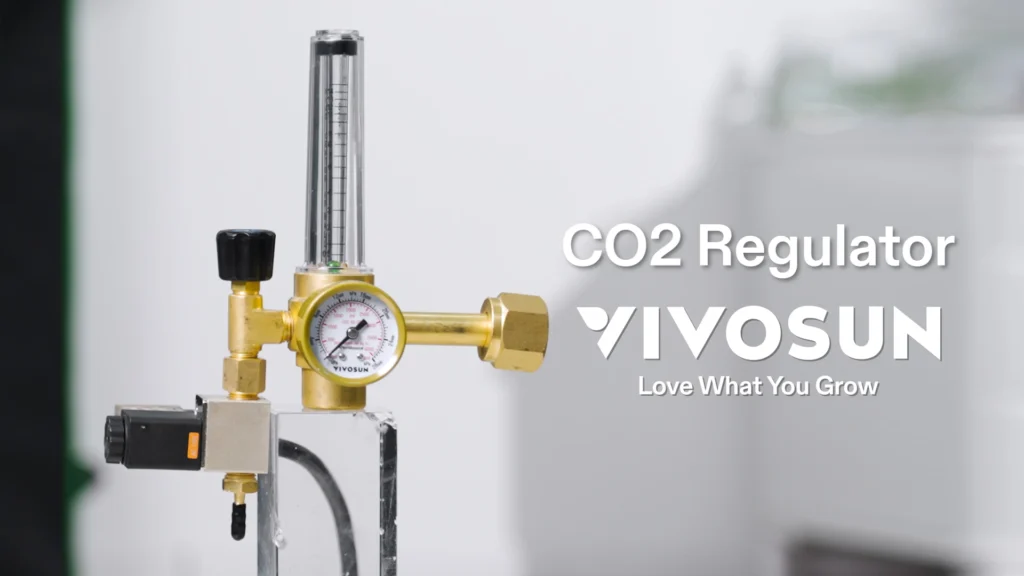
Budget option
- Works fine for beginners
- Not as precise, but usable
Check Price on Amazon
Why dual-stage? Because single-stage regulators can suddenly dump excess CO2 when the tank empties. Fish don’t enjoy that. I saw my tetras gasp once. I panicked. I fixed it. You don’t need that drama.
Use the Tank Capacity and Equipment Guide to match cylinder size to your setup. Bigger tank = bigger cylinder. That’s it.
Pros of Pressurized Systems
- Stable CO2 output
- Adjustable bubble rate
- Works with timers
- Ideal for carpets and red plants
Cons
- Higher upfront cost
- You must refill cylinders
But honestly? Stability wins every time.
DIY CO2 Systems – Cheap, Fun, and Slightly Chaotic
DIY CO2 feels like a science project from high school. Sometimes it works beautifully. Sometimes it smells like yeast regret.
Fluval Bio-CO2 Pro System
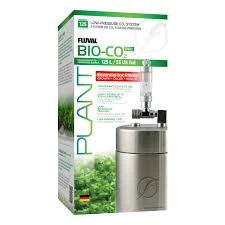
- Yeast-based system
- Good for nano tanks
- Simple setup
Check Price on Amazon
Neo CO2 DIY Kit
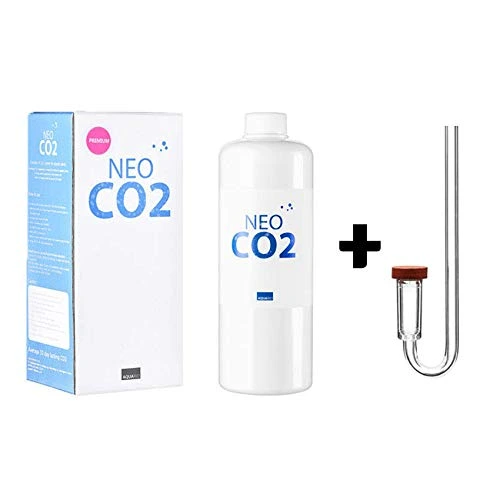
- Compact
- Inexpensive
- Less stable output
Check Price on Amazon
DIY systems fit tanks under 20 gallons. Anything bigger and you’ll chase consistency forever. And chasing consistency feels exhausting, ngl.
CO2 output fluctuates with temperature and yeast activity. That means plants get uneven supply. Some days they grow fast. Some days they sulk. If you enjoy experimenting, go for it. If you like stability, skip it.
All-in-One CO2 Kits for Beginners Who Don’t Want Headaches
Some people want plug-and-play. I respect that.
FZONE Mini CO2 Generator Kit
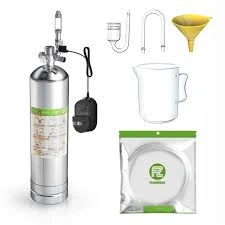
- Chemical reaction system
- Refillable
- Better control than yeast
Check Price on Amazon
UNS Mini CO2 System
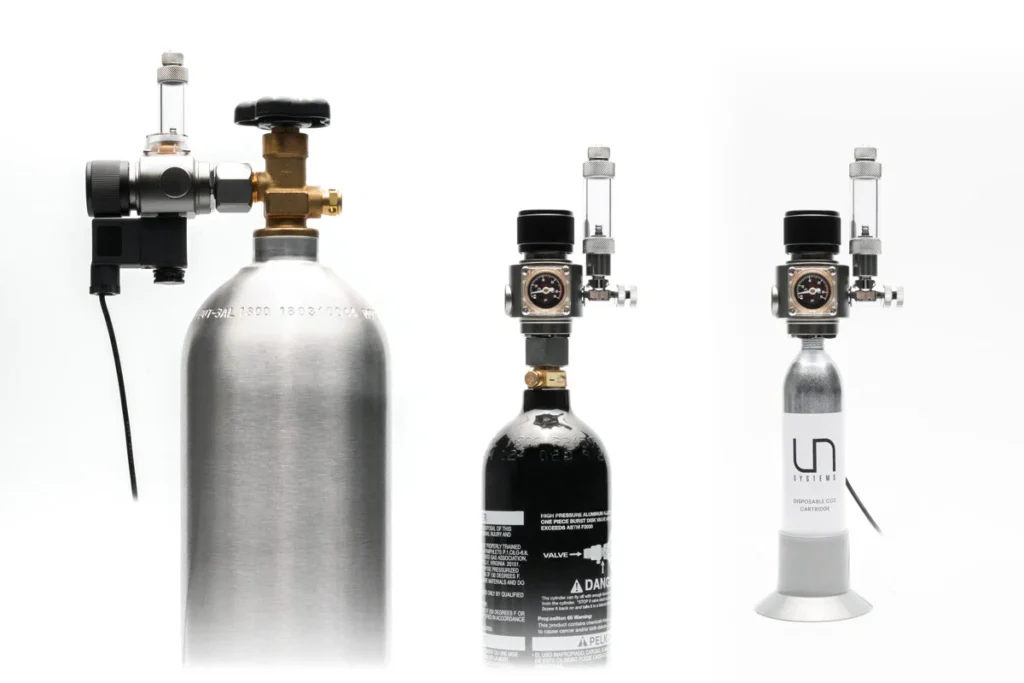
- Sleek design
- Reliable for nano aquariums
Check Price on Amazon
These systems sit between DIY and full pressurized setups. They cost less than full cylinders but offer more stability than yeast bottles.
I suggest these for tanks between 10–30 gallons. Pair them with moderate light. Use the Aquarium Lighting Calculator to avoid overdoing it.
CO2 Diffusers, Reactors, and Why Bubbles Matter More Than You Think
CO2 entering the tank means nothing if it escapes immediately. Distribution matters.
You can use:
- Ceramic diffusers (simple, visible mist)
- Inline diffusers (installed on canister filter return)
- CO2 reactors (fully dissolves gas)
I prefer inline diffusers on strong canister filters. Check flow recommendations from the 10 Best Aquarium Filters for Freshwater & Reef Tanks. Strong circulation spreads CO2 evenly.
Poor flow creates dead spots. Plants in those areas struggle. Then algae shows up. Again. It’s annoyng how predictable that cycle is.
Use the Filter Media Calculator to optimize filtration while keeping good flow.
How to Balance CO2 with Filtration, Flow, and Air
Ever seen fish gasping at the surface? That usually means too much CO2 or low oxygen.
Balance matters:
- Run CO2 1–2 hours before lights
- Stop CO2 1 hour before lights off
- Keep surface agitation mild
If you use air pumps from Best Aquarium Air Pumps (Quiet & Powerful Options), turn them on at night. Plants consume oxygen in darkness.
Temperature also changes gas absorption. Review heater stability from 7 Best Aquarium Heaters (Tested & Reviewed). Stable temp = predictable CO2 levels.
I once blasted CO2 and cranked heat to 82°F. Fish hated me that week. I adjusted fast :/
Common CO2 Mistakes I’ve Made So You Don’t Have To
Let’s be honest. We all mess up.
Mistake 1: Over-lighting without increasing CO2
Algae exploded. Plants stalled.
Mistake 2: Ignoring drop checker color
Green = good. Yellow = danger.
Mistake 3: Using single-stage regulator on large tank
CO2 dump risk increases.
If you run a massive aquascape like setups in the Monster Exotic Giant Aquarium Fish Care Guide, invest in dual-stage. Big water volume needs serious consistency.
Final Thoughts on the Best CO2 Systems for Planted Aquariums
If you want lush growth, dense carpets, and deep reds, use a pressurized dual-stage CO2 system. Pair it with balanced light and strong filtration. Keep flow consistent. Watch your fish.
CO2 isn’t optional in high-tech planted tanks. It’s the engine. Skip it and everything feels half-done.
Would I ever run a high-light tank without CO2 again? Nope. Not happening 🙂
Frequently Asked Questions
How much CO2 should I inject?
Aim for 30 ppm during the photoperiod. Use a drop checker to monitor.
Can I run CO2 without strong light?
Yes, but plants won’t maximize growth. Balance both.
Is DIY CO2 safe?
Safe for nano tanks if monitored. Not ideal for tanks above 20 gallons.
Do fish suffer with CO2?
Only if levels spike. Stable systems keep fish safe.
How long does a 5lb CO2 tank last?
In a 75-gallon tank, around 4–6 months depending on bubble rate.