Breeding Aquarium Fish & Tank Companions: Complete Care Guide
Key Takeaways (Quick Answers First)
Stable water beats fancy gear every single time.
Choose calm tank companions or your fry will vanish, yup, just like that.
Separate breeding tanks increase survival rates by a lot.
Condition your fish with protein-rich food before breeding.
Know if your species lays eggs or gives live birth. It changes everything.
Remove parents for most egg layers or they’ll snack on their own babies.
1. Why Breeding Aquarium Fish Changes the Way You See Your Tank
Ever stare at your tank and think, “Could I actually breed these guys?” I did. And the first time I saw tiny fry wiggle near the glass, I kinda just froze there like a proud fish parent. Sounds dramatic? Maybe. But it hits different.
Breeding aquarium fish forces you to understand behavior, timing, and water quality at a deeper level. You stop guessing. You start observing. You notice who chases who, who hides, who eats too fast. It makes you sharp.
Now, let me ask you something weird. Why do most breeding attempts fail? Not because fish “don’t feel like it.” They breed easily in the wild. We mess it up. We rush, we mix incompatible tank companions, we ignore water shifts.
Here’s what actually matters:
Stable temperature
Low stress environment
Species compatibility
Proper diet before spawning
And no, throwing two fish together and “hoping for romance” doesn’t count :/
When I first bred livebearers, I thought, “Oh this is easy.” Then I tried egg layers. Whole different story. Parents ate the eggs. I blinked and poof, gone.
Breeding teaches patience. It humbles you a bit. And honestly? It makes your tank feel alive in a new way.
2. Choosing the Right Species (Because Not All Fish Want Babies in Your Tank)
Let’s talk basics. You need to know if your fish are:
Livebearers (guppies, mollies, platies)
Egg layers (tetras, barbs, cichlids)
Egg scatterers
Mouthbrooders
Why does this matter? Because the setup changes completely.
Livebearers make it easy. They carry fry inside. Then boom, baby fish appear. But if you keep them in a community tank, guess what? Other fish see snacks.
Egg layers need:
Soft, slightly acidic water (for many species)
Fine-leaf plants or spawning mops
Dim lighting
I once tried breeding rasboras in bright light. Zero results. Lowered the light, added plants, conditioned them with frozen food. Suddenly, eggs everywhere. Coincidence? Nope.
Ask yourself this:
Are your tank companions calm enough to ignore eggs or fry?
If not, separate tank. Period.
Good beginner breeders:
Guppies
Mollies
Zebra danios
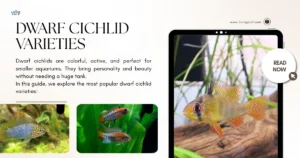
Some dwarf cichlids
Harder species demand precise water chemistry. If your parameters swing even slightly, they quit spawning.
IMO, start simple. Master the process. Then try more sensitive species. No need to jump into the deep end and stress yourself out.
3. Setting Up a Proper Breeding Tank (Yes, You Probably Need One)
Do you need a breeding tank? Technically no. Realistically? Yes.
A dedicated breeding tank gives you:
Controlled water parameters
Reduced stress
Higher fry survival
Easier monitoring
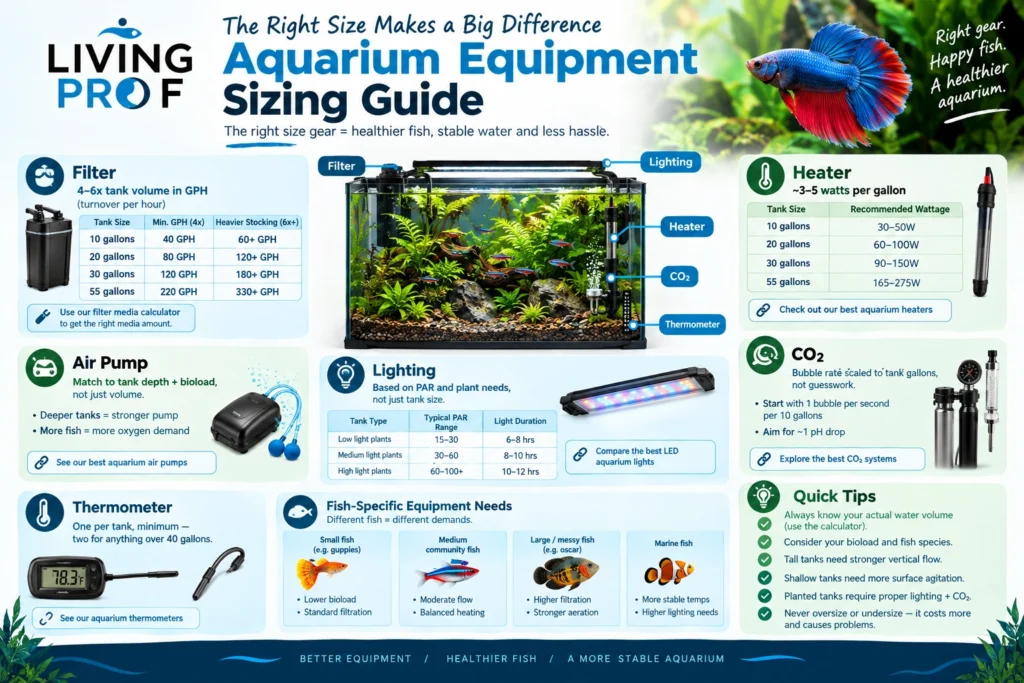
Keep it simple. I run a 10–20 gallon tank with:
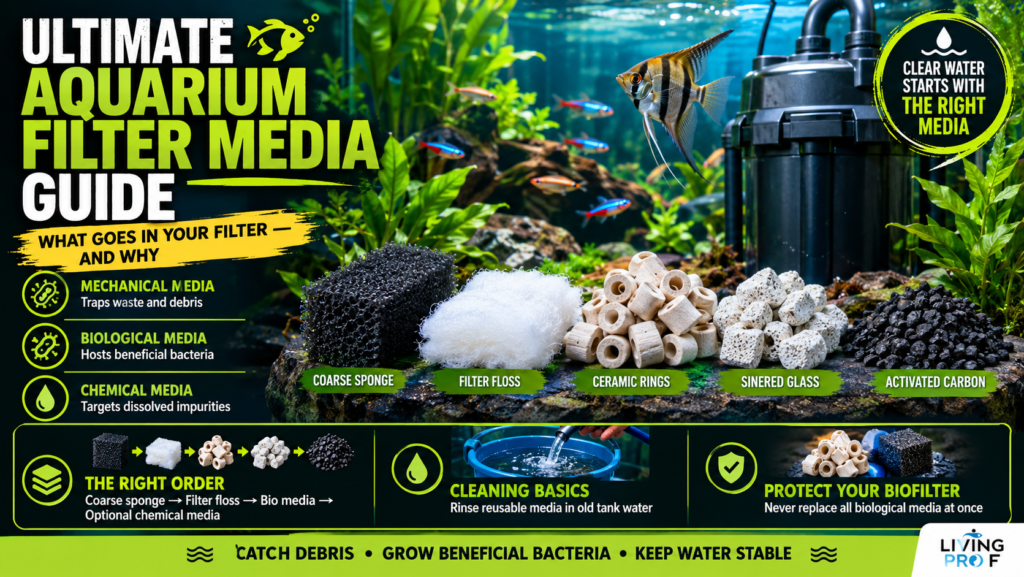
Sponge filter
Heater
Bare bottom or thin sand
Plants or spawning mop
Why sponge filter? Because power filters suck up fry. Literally. Learned that the hard way.
Temperature often triggers spawning. Raise it 1–2°C slowly. Feed high-protein food like brine shrimp. Watch behavior.
Here’s a quick setup table:
| Element | Why It Matters |
|---|---|
| Sponge Filter | Protects fry |
| Stable Heater | Encourages spawning |
| Soft Plants | Egg protection |
| Dim Lighting | Reduces stress |
Don’t overdecorate. Breeding tanks aren’t display tanks. They are functional. Clean. Focused.
And keep water pristine. Small water changes every few days work wonders.
4. Conditioning Your Fish Before Breeding (Feed Them Like You Mean It)
Fish don’t breed well on flakes alone. They just don’t. You need to condition them.
Conditioning means feeding:
Frozen brine shrimp
Bloodworms
Daphnia
High-protein pellets
Do this for 1–2 weeks before introducing pairs.
You’ll notice brighter colors. Males display more. Females look fuller.
I once rushed conditioning. The female dropped weak fry. Survival rate was low. Second attempt? Fed properly. Big difference.
Ask yourself: would you expect athletes to perform without proper diet? Same idea.
Feed small amounts multiple times daily. Keep water clean though. Overfeeding ruins everything.
And watch for breeding behavior:
Nest building (bettas)
Increased chasing
Pair bonding
That’s when you move fast.
5. Tank Companions: Who Stays, Who Goes
This part decides success or disaster.
Most community fish will eat eggs. Even peaceful ones. They don’t feel guilt. They just snack.
Unsafe companions:
Barbs
Large tetras
Angelfish (with smaller species)
Bottom feeders during egg stage
Safer options for some species:
Small rasboras
Corydoras (sometimes okay with livebearers)
But honestly? Separate tank works best.
Ever wonder why breeders keep bare tanks? Because they remove variables.
If you insist on community breeding, add:
Dense floating plants
Breeding boxes
Mesh separators
Still risky though.
FYI, fry need micro food. If big fish compete, fry starve.
6. Caring for Fry Without Losing Your Mind
Fry care sounds cute. It’s not always cute. It’s daily work.
First foods:
Infusoria
Liquid fry food
Baby brine shrimp
Feed 3–5 times daily. Tiny portions.
Perform gentle water changes with airline tubing. Slow and careful. I once siphoned out fry by accident. Not fun.
Growth timeline example (livebearers):
| Week | Development |
|---|---|
| 1 | Transparent, tiny |
| 2 | Visible fins |
| 4 | Strong swimmers |
| 6 | Color developing |
Keep water stable. Don’t rush them into main tank. Wait until they can’t fit in other fish mouths.
Simple rule: if they fit, they get eaten.
7. Common Breeding Mistakes (I’ve Made Most of Them)
Let’s keep this honest.
Mistake #1: Ignoring water parameters.
Mistake #2: Mixing aggressive companions.
Mistake #3: Overfeeding and crashing water quality.
Mistake #4: Removing parents too late.
Test water regularly. Keep ammonia and nitrites at zero. Stable pH matters.
I once assumed “close enough” was fine. It wasn’t. Eggs fungus fast in unstable water.
Another weird mistake? Watching too much. Constant tapping and light stress fish out. Give them space.
Breeding rewards patience. It punishes shortcuts.
8. Is Breeding Aquarium Fish Worth It?
Short answer? Yes. Long answer? Still yes.
You gain:
Deeper understanding of fish behavior
Healthier adult fish
Stronger appreciation for tank balance
You also gain extra tanks. Just saying
Breeding makes you observe closely. You learn subtle signs. You adjust faster. You think ahead.
Would I recommend everyone try it? Yeah, but start simple. Respect the process.
Once you raise your first batch successfully, you won’t look at your aquarium the same way again. And that feeling? Hard to explain, but it sticks.
Frequently Asked Questions
How long does it take for aquarium fish to breed?
Some livebearers breed within weeks. Egg layers may need specific triggers like temperature changes.
Do I always need a separate breeding tank?
Not always, but you increase survival rates significantly with one.
Why do my fish eat their eggs?
Instinct. Many species lack parental care behavior.
What’s the best food for fry?
Baby brine shrimp and infusoria work very well.
Can I breed fish in a community tank?
Yes, but expect lower survival rates unless you add heavy plant cover.
If you’ve been thinking about breeding your aquarium fish, try it. Start small. Keep water stable. Watch closely. And don’t panic if the first attempt fails. Mine did too.