Key Takeaways: Coldwater & Subtropical Aquarium Fish Year-Round Care Tips
| Topic | What You Actually Need to Know |
|---|---|
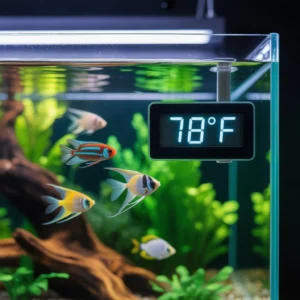
| Temperature | Coldwater fish thrive at 18–22°C, subtropical fish prefer 20–24°C. Keep it stable. |
| Filtration | Use a strong filter with steady flow, but avoid blasting slow swimmers. |
| Seasonal Changes | Adjust feeding and monitor temp shifts during hot and cold months. |
| Tank Mates | Choose fish with similar temperature and temperament needs. |
| Oxygen | Coldwater tanks need good surface movement for oxygen exchange. |
| Feeding | Feed less in colder months. Fish slow down, and so should you. |
| Maintenance | Weekly water changes = non-negotiable. Yes, even when you’re tired. |
Coldwater & Subtropical Aquarium Fish: Year-Round Care Tips
You want fish that don’t demand a heater running 24/7. You also want fish that stay active and healthy all year. Makes sense. I’ve kept coldwater and subtropical aquariums for years, and trust me, they look simple… until summer hits and your tank turns into soup.
So how do you actually care for coldwater & subtropical aquarium fish year-round without messing it up? Let’s talk like normal people about it.
1. What Counts as Coldwater or Subtropical Fish Anyway?
People throw around “coldwater fish” like it means “fish that survive in tap water.” Nope. That myth needs to retire.
Coldwater fish usually thrive between 18–22°C.
Subtropical fish prefer 20–24°C.
See the overlap? That overlap makes mixed setups possible if you plan carefully.
Common Coldwater Fish
-
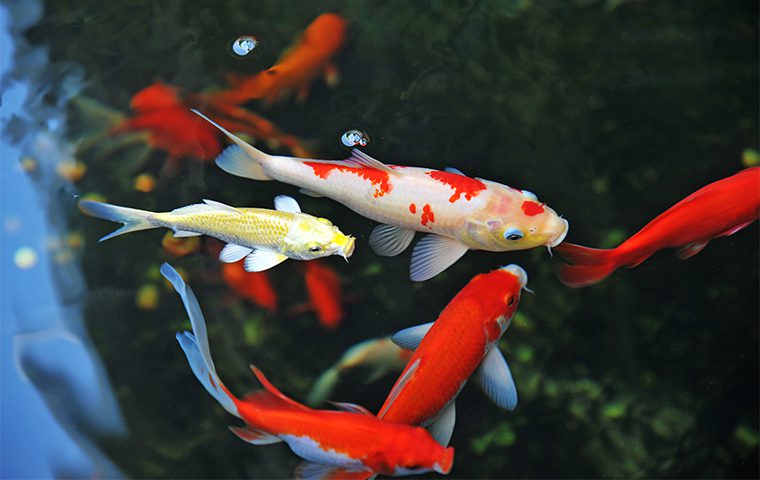
Goldfish (fancy and single-tail)
-
White Cloud Mountain Minnows
-
Dojo Loaches
Common Subtropical Fish
-
Paradise Fish
-
Some Rainbowfish species
-
Variatus Platies
Ever wondered why goldfish seem “easy”? They tolerate mistakes. That doesn’t mean they enjoy them. I learned that the hard way when I overcrowded my first tank. Rookie mistake, yeah.
Coldwater tanks rely on stable temperature, not just “cool water.” If your room swings from 16°C at night to 28°C in the afternoon, your fish feel it. They don’t complain out loud, but their immune system does.
You want consistency. Fish hate surprises more than we do.
2. Temperature Control Through All Seasons
“Do I need a heater for coldwater fish?”
Funny question, right? But yes… sometimes you do.
Winter
If your house drops below 16–17°C:
-
Add a small adjustable heater
-
Set it low just to prevent dips
-
Don’t overheat the tank
Coldwater fish handle cool water. They don’t handle sudden drops.
Summer
Now this is where things get spicy. Literally.
High temps reduce oxygen. Fish gasp at the surface. You panic.
Here’s what I actually do:
-
Raise the tank lid slightly for airflow
-
Use a fan aimed across the water surface
-
Increase surface agitation
You can also freeze dechlorinated water in bottles and float them during heat waves. It looks weird. It works.
Subtropical fish tolerate mild warmth better, but once water passes 26–27°C consistently, stress builds fast.
Ever noticed fish get sluggish in summer? That’s not laziness. That’s stress.
3. Filtration and Oxygen: The Real Backbone
Coldwater fish produce a LOT of waste. Goldfish especially. They eat like toddlers and poop like cows. No joke.
So what do you need?
Strong Filtration
Choose a filter rated for:
-
At least 2x your tank volume
-
Mechanical + biological filtration
-
Steady, not violent flow
Cold water holds more oxygen, but warm spells ruin that advantage. That’s why I always focus on surface movement.
If the water surface looks still like glass, fix it. Add:
-
A spray bar
-
An air stone
-
A stronger return flow
Fish breathe dissolved oxygen, not vibes. IMO, oxygenation saves more fish than any medication ever will.
Clean filter media in tank water, not tap water. Chlorine kills beneficial bacteria fast.
4. Feeding Habits Change With Temperature
You can’t feed coldwater fish the same way year-round. Their metabolism shifts with temperature.
In Cooler Months
-
Feed once daily
-
Smaller portions
-
High-quality pellets that sink slowly
Fish digest slower in cold water. Overfeeding causes bloating and ammonia spikes.
In Warmer Months
-
Feed light, but slightly more frequent
-
Remove uneaten food quickly
-
Watch for aggressive feeding behavior
I once ignored reduced feeding in winter. My fish ballooned up and looked uncomfortable. Lesson learned.
Ask yourself this:
Does your fish rush for food instantly? Or does it hesitate?
Their behavior tells you what they need.
5. Tank Mates: Compatibility Over Color
You want variety. I get it. But mixing fish randomly ruins tanks.
Coldwater & subtropical aquarium fish need:
-
Similar temperature ranges
-
Similar temperament
-
Similar activity levels
Don’t mix:
-
Fast nippers with slow fancy goldfish
-
Warm-water tropicals with coldwater fish
-
Hyperactive species with shy bottom dwellers
Subtropical fish like Paradise Fish can show aggression. They don’t care about your aesthetic goals.
When I built my first subtropical community, I chose fish based on looks. It turned into a soap opera. Now I choose based on behavior first.
Ask yourself:
Will these fish coexist peacefully for years, not just weeks?
If you hesitate, don’t mix them.
6. Water Changes: Yes, Every Single Week
Coldwater fish generate heavy waste. That means ammonia builds fast.
You need:
-
25–40% weekly water changes
-
Gravel vacuuming
-
Dechlorinated replacement water
Don’t skip because “the water looks clear.” Clear water can still test high for nitrates.
Get a test kit and check:
-
Ammonia (0 ppm)
-
Nitrite (0 ppm)
-
Nitrate (<40 ppm, lower is better)
FYI, stable parameters matter more than chasing “perfect” numbers.
When seasons shift, test more often. Temperature swings affect bacterial efficiency in your filter.
Consistency keeps fish alive. Simple.
7. Seasonal Behavior Shifts You Should Expect
Coldwater fish slow down in cooler periods. Subtropical fish may become slightly less active too.
That’s normal.
Watch for:
-
Reduced appetite in cold months
-
Increased surface breathing in hot weather
-
Slight color fading during stress
Ever noticed goldfish become more energetic in spring? They sense environmental changes even indoors.
You can support them by:
-
Keeping lighting consistent
-
Maintaining stable feeding schedules
-
Avoiding sudden tank rearrangements
I avoid major tank rescapes during winter. Fish handle change better when metabolism runs strong.
Seems small, but it makes a diff.
8. Long-Term Health: Prevent Problems Before They Start
You prevent disease with stability. You don’t treat disease as a routine.
Focus on:
-
Stable temperature
-
Clean water
-
Proper diet
-
Low stress
Most coldwater fish illnesses trace back to:
-
Poor water quality
-
Overfeeding
-
Temperature shock
If you keep conditions steady, fish live years longer. I’ve had goldfish surpass 10 years with simple, consistent care.
Ask yourself this one last thing:
Do you want a tank that survives, or a tank that thrives?
Coldwater & subtropical aquarium fish reward patience. They don’t ask for fancy gadgets. They ask for stability.
Keep it simple. Stay consistent. Your fish will show you it works 🙂
Frequently Asked Questions
1. Can I keep coldwater fish without a heater?
Yes, if your room stays within 18–22°C year-round. Add a small heater if temperatures drop too low in winter.
2. Can I mix subtropical and coldwater fish?
You can if their temperature ranges overlap and their temperaments match. Always research behavior first.
3. How often should I feed coldwater fish?
Once daily in cooler months. Slightly more often in warmer months, but keep portions controlled.
4. Why are my fish gasping at the surface?
Low oxygen. Increase surface movement and lower water temperature if possible.
5. Do coldwater fish need large tanks?
Yes. Especially goldfish. They grow larger than most people expect, and they produce heavy waste.