Key Takeaways (Quick Answers)
| Problem | Main Symptom | Fast Action |
|---|---|---|
| Ich (White Spot) | White dots like salt | Raise temp slowly + medication |
| Fin Rot | Frayed or melting fins | Improve water quality + antibiotics |
| Swim Bladder Issues | Floating sideways/upside down | Stop feeding for 24–48 hrs |
| Fungal Infections | White cotton patches | Antifungal treatment |
| Internal Parasites | Weight loss + white poop | Deworming medicine |
| Best Prevention | Stable water conditions | Good filtration + quarantine |
Common Freshwater Fish Diseases (Symptoms & Treatment Guide) — What Fishkeepers Actually See
So here’s the thing. Fish get sick even in clean tanks, yeah… kinda annoyin but true. I learned that the hard way years ago when one of my guppies suddenly started acting like a drunk noodle. Ever seen a fish swim sideways for no reason? Yeah… not a good sign :/
Many beginner aquarists assume fish only get diseases in dirty aquariums. Nope. A tank can look crystal clear and still cause stress if temperature swings or filtration isn’t right.
Fish like those in the Betta Fish Care Guide or Guppy Fish Care & Breeding Guide often show early disease symptoms because they react fast to stress.
Common triggers include:
- Sudden temperature changes
- Poor filtration
- Overfeeding
- Introducing new fish without quarantine
Equipment problems also play a role. I once had a heater malfunction and drop temperature overnight… guess what happened next morning? Ich outbreak. Fun times. Not.
That’s why stable equipment matters:
- Aquarium Thermometers help monitor temperature
- Best Aquarium Filters keep bacteria balanced
- Aquarium Heaters Tested & Reviewed prevent sudden drops
And here’s a weird little trick experienced aquarists use: watch behavior before appearance.
Fish usually show symptoms before visible disease, like:
- hiding
- scratching against decor
- refusing food
Ever seen a fish rubbing itself on rocks like it’s itchy? That’s usually the first red flag. Fish dont scratch for fun.
Let’s go through the most common diseases aquarists run into… the real ones, not the scary internet myths.
Ich (White Spot Disease) — The Tiny Dots That Freak Every Aquarist Out
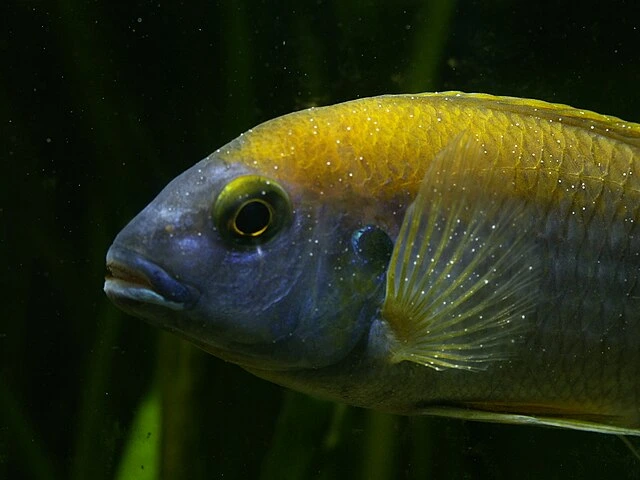
Alright, let me guess. You looked at your fish and saw tiny white dots like salt grains, right? And then panic Googled at 2am. Yep… that’s Ich.
Ich is honestly the most common freshwater fish disease. I’ve seen it in guppies, angelfish, even hardy fish like barbs.
Fish described in the Angelfish Habitat and Behavior Guide actually catch it pretty easily when stressed.
Symptoms
- white spots on body and fins
- fish rubbing against rocks
- rapid gill movement
- clamped fins
The parasite lives in the water and attaches to fish skin. Annoying little thing, really.
Causes
Most outbreaks start from stress events like:
- sudden temperature drops
- new fish introduction
- poor filtration
That’s why stable heating matters. A reliable heater from the 7 Best Aquarium Heaters Tested & Reviewed prevents many outbreaks.
Treatment Steps
- Raise temperature slowly (around 28°C / 82°F)
- Add Ich medication
- Increase aeration
- Continue treatment for 10–14 days
Why so long? Because the parasite has a life cycle and medication only kills it in the free-swimming stage.
IMO the first time dealing with Ich feels dramatic. After a while you kinda go “oh great, dots again…” and fix it.
Fin Rot — When Fish Fins Look Torn or Melted
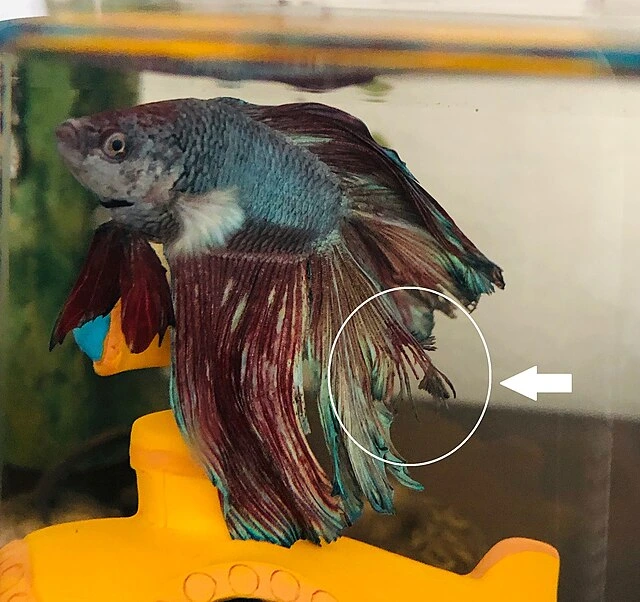
Fin rot creeps in quietly. One day your fish looks normal, next day the tail looks like someone trimmed it with dull scissors. Not ideal.
Fish like bettas get it often, which you’ll notice if you keep species from the Betta Fish Care Guide.
Symptoms
- ragged or torn fins
- white or black edges
- fins shrinking slowly
Sometimes beginners think other fish attacked it. Sometimes that’s true… but bacteria usually cause the real damage.
Why Fin Rot Starts
The usual suspects:
- poor water quality
- uneaten food
- overcrowded tanks
Good filtration fixes half the problem. That’s why I always recommend checking options in 10 Best Aquarium Filters for Freshwater Tanks.
Treatment
- large water change
- remove uneaten food
- antibacterial medication
- improve filtration
I’ve reversed early fin rot just by clean water alone. Seriously. Fish heal faster than people think.
Still… ignore it too long and the fin literally disappears. Which is not great.
Swim Bladder Disorder — Why Fish Suddenly Float Weird
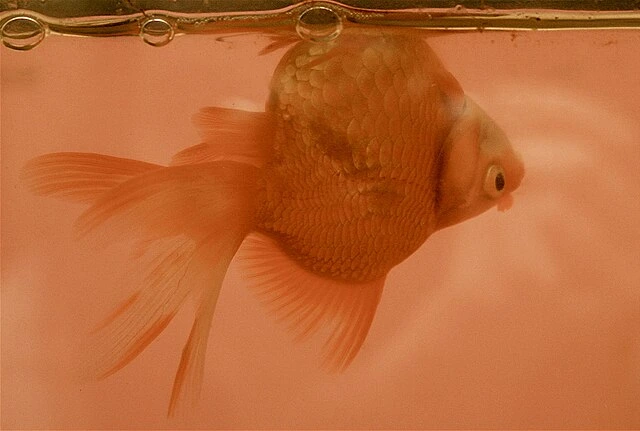
Ever watched a fish swim upside down and thought “uhhh… is that normal?”
Yeah… probably swim bladder trouble.
This organ controls buoyancy. When it fails, fish lose balance and float like a weird little balloon.
Signs
- floating sideways
- sinking to bottom
- swimming upside down
- struggling to stay level
Overfeeding causes many cases. Fish eat way more than they need.
Quick Fix
First step?
Stop feeding for 24–48 hours.
Then try feeding a soft boiled pea without the skin. Sounds strange, but it helps digestion.
Many people overfeed because they travel or forget schedules. An Automatic Fish Feeder actually helps keep portions consistent.
Also consider diet quality. The article Which Food Grows Monster Fish Faster explains nutrition pretty well.
Most swim bladder issues fix themselves if digestion improves. But bacterial infections can cause severe cases too.
Fungal Infections — The Cotton Stuff That Shows Up on Fish
If you ever see white fluffy patches, almost like cotton wool… yeah that’s fungus.
It usually appears after injuries or stress.
Fish scrape against decor, damage skin, and fungus takes the opportunity. Opportunistic little thing.
Symptoms
- fuzzy white patches
- slow movement
- loss of appetite
Good oxygen levels reduce fungal spread. That’s why I often recommend strong aeration from options like the Best Aquarium Air Pumps.
Treatment
- antifungal medication
- salt baths
- improved water quality
Fungal infections also appear in poorly filtered tanks. A solid filtration system from the Best Aquarium Filters Guide keeps organic waste low.
Funny thing… fungus usually signals another problem underneath. Injury, stress, water quality. Fix the cause or it’ll return.
Internal Parasites — The Disease Many People Miss
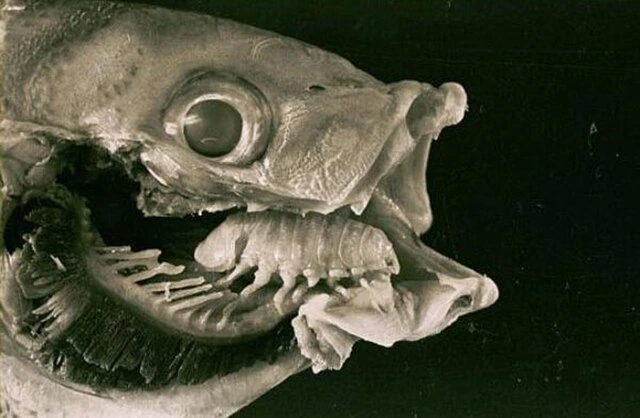
This one sneaks up on people. The fish looks normal… until suddenly it’s thin and weak.
I saw this a lot with discus fish. Wild imports especially.
The Discus Fish Tank Requirements Guide actually mentions parasite risks with sensitive species.
Symptoms
- white stringy poop
- loss of appetite
- slow weight loss
- hollow belly
Not exactly glamorous signs… but they’re clear once you know them.
Treatment
Most aquarists use praziquantel or similar dewormers.
You can learn the dosing and method in Praziquantel for Fish – When and How to Use This Deworming Medicine.
Treatment steps usually include:
- isolate infected fish
- administer deworming medicine
- repeat treatment after several days
Parasites spread easily through shared water. Which leads us to something most beginners skip…
Preventing Fish Diseases — The Stuff That Actually Works
Want the honest truth? Prevention saves way more fish than medication.
Stable tanks rarely develop major disease outbreaks.
Three things control aquarium health:
- temperature stability
- filtration efficiency
- proper stocking levels
Good lighting also supports healthy plants and water chemistry. The guide Best LED Aquarium Lights Compared 2026 explains lighting setups pretty clearly.
Planted aquariums benefit from carbon systems too. The article Best CO2 Systems for Planted Aquariums helps with that.
Tools I Always Recommend
- Tank Volume Calculator for accurate water capacity
- Tank Capacity & Equipment Guide for equipment sizing
Because honestly… many disease outbreaks happen simply because tanks are overstocked.
Fish get stressed. Stress lowers immunity. Then diseases appear.
Simple chain reaction.
Quarantine Tanks — The Trick Experienced Aquarists Always Use
Ask any long-time aquarist and they’ll say the same thing:
Quarantine new fish.
But beginners skip this step. I did too when I started… and yeah, it ended badly.
A quarantine tank prevents disease from spreading into the main aquarium.
Basic Setup
- small tank (10–20 gallons)
- sponge filter
- heater
- hiding spots
You don’t need anything fancy.
Quarantine Timeline
| Stage | Duration |
|---|---|
| Observation | 2 weeks |
| Preventive treatment | optional |
| Transfer to main tank | after 3–4 weeks |
Fish breeding guides like Breeding Aquarium Fish Tank Companions often recommend quarantine too.
Large predator setups also benefit from it. The guide Monster Exotic Giant Aquarium Fish Care explains disease control in big tanks.
Need help sizing filters for quarantine tanks? The Filter Media Calculator helps estimate filtration media.
Honestly… quarantine tanks look boring. But they prevent disasters.
Frequently Asked Questions About Freshwater Fish Diseases
What is the most common freshwater fish disease?
Ich (White Spot Disease) appears most often in aquariums. Temperature stress and new fish introductions usually trigger outbreaks.
How do I know if my fish is sick?
Watch behavior first.
Common early signs include:
- hiding
- scratching against rocks
- refusing food
- heavy breathing
Visible symptoms appear later.
Can fish recover from diseases?
Yes. Many fish recover quickly if treatment starts early and water conditions improve.
Clean water often solves minor infections.
Should I quarantine sick fish?
Yes. Isolate sick fish immediately to stop disease spreading through the tank.
How fast does Ich spread?
Ich parasites reproduce quickly. In warm aquariums the infection can spread through the entire tank within 2–3 days.
Can bad filtration cause fish diseases?
Absolutely.
Poor filtration leads to waste buildup, ammonia spikes, and bacterial growth. Strong filtration prevents many infections.