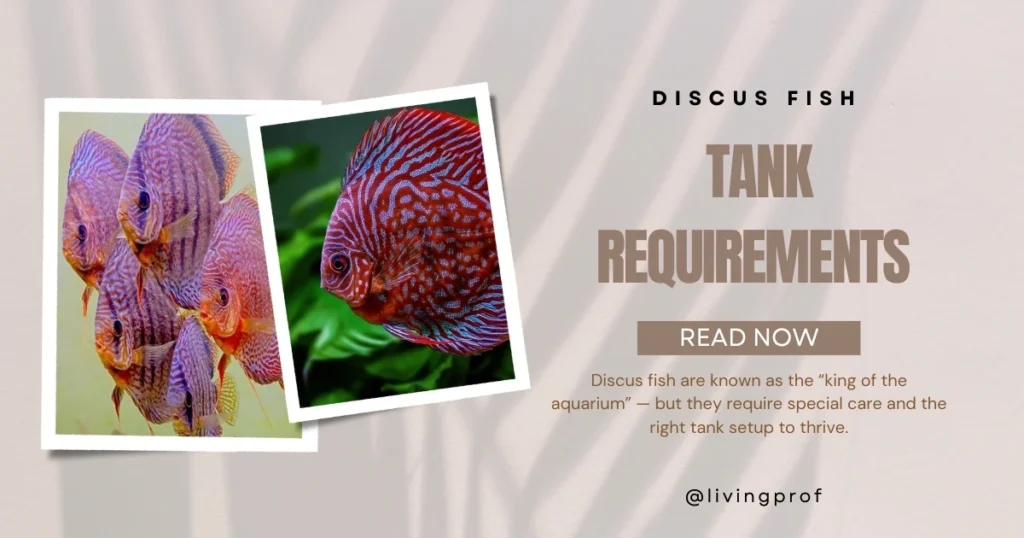
Discus Fish Tank Requirements – The Real Deal From Someone Who’s Messed It Up Before
- Minimum tank size: 75 gallons for a small group (bigger is better, trust me)
- Temperature: 82–86°F (28–30°C)
- pH level: 5.5–7.0 (stable matters more than chasing numbers)
- Filtration: Strong biological filtration, gentle flow
- Water changes: 30–50% weekly (sometimes more)
- Tank mates: Calm, warm-water fish only
- Heater + thermometer: Non-negotiable
- Bare bottom or fine sand: Depends on your goals
Tank Size: How Big Does a Discus Tank Actually Need to Be?
You wanna keep discus? Cool. First question: how much glass are you ready to clean every week? Because discus fish tank requirements start with space, and they don’t do well in cramped little boxes.
I keep mine in a 90-gallon tank, and honestly, I wouldn’t go smaller now. For beginners, I suggest at least 75 gallons for 4–6 discus. They grow to 6–8 inches. That’s not tiny. They turn sideways and suddenly your tank looks… small.
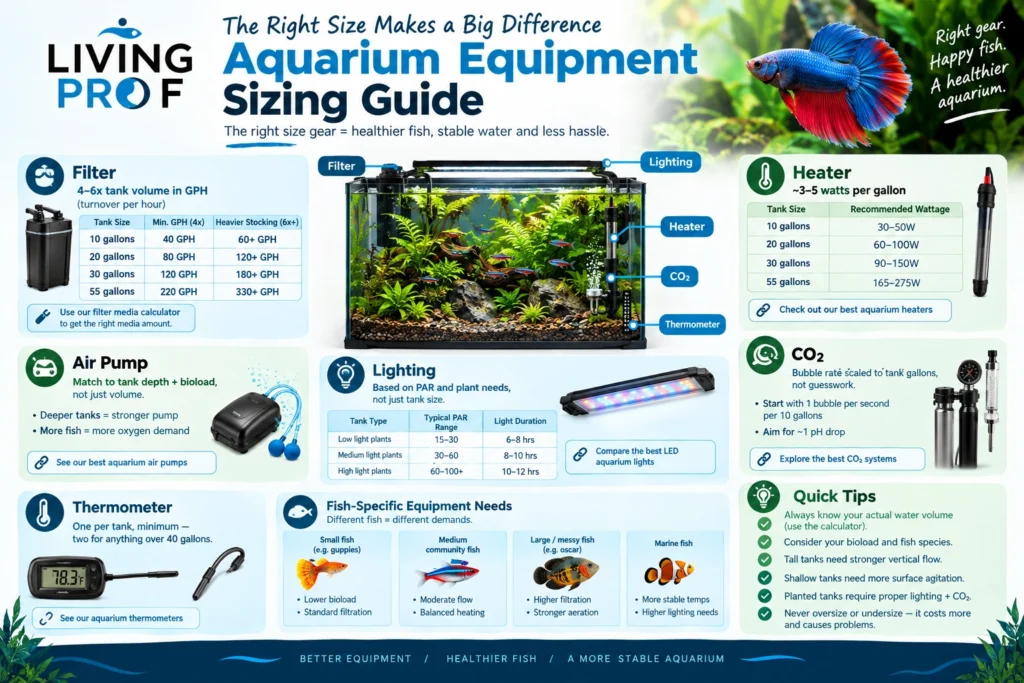
Use the Tank Volume Calculator to double-check your setup. I use it all the time when I overthink dimensions (which I do… a lot).
Why So Big?
- Discus produce a lot of waste
- They prefer groups (minimum 4–6)
- Bigger tanks = more stable water
- Stable water = healthy discus
You wouldn’t keep monster fish in a 20-gallon, right? Same logic as in this guide on Monster Exotic Giant Aquarium Fish Care Complete Setup Guide. Size matters. Simple.
Ever tried squeezing adult discus into a 40-gallon? Yeah… don’t. I did once. Regret still lingers :/
Water Temperature: Warm Means Warm
Discus love heat. Like, proper tropical heat.
I keep mine at 84°F, and they glow in color when I maintain it steady. Drop the temp and they sulk. Raise it too high and they stress. They’re dramatic, but fair.
You need:
- Reliable heater – check out 7 Best Aquarium Heaters Tested & Reviewed
- Accurate thermometer – I use one from this Aquarium Thermometers Guide
Never guess temperature. Guessing kills fish. That sounds harsh but it’s true.
Ideal Range:
| Parameter | Target |
|---|---|
| Temperature | 82–86°F |
| Stability | No swings over 1–2°F |
Warm water also reduces oxygen levels. So what do I do? I run a gentle air pump from this list: Best Aquarium Air Pumps – Quiet & Powerful Options.
Warm water + oxygen = happy discus. Skip oxygen and they start gasping. Seen it. Not fun.
Filtration: Clean Water or Don’t Bother
Discus don’t forgive dirty water. They just… get sick.
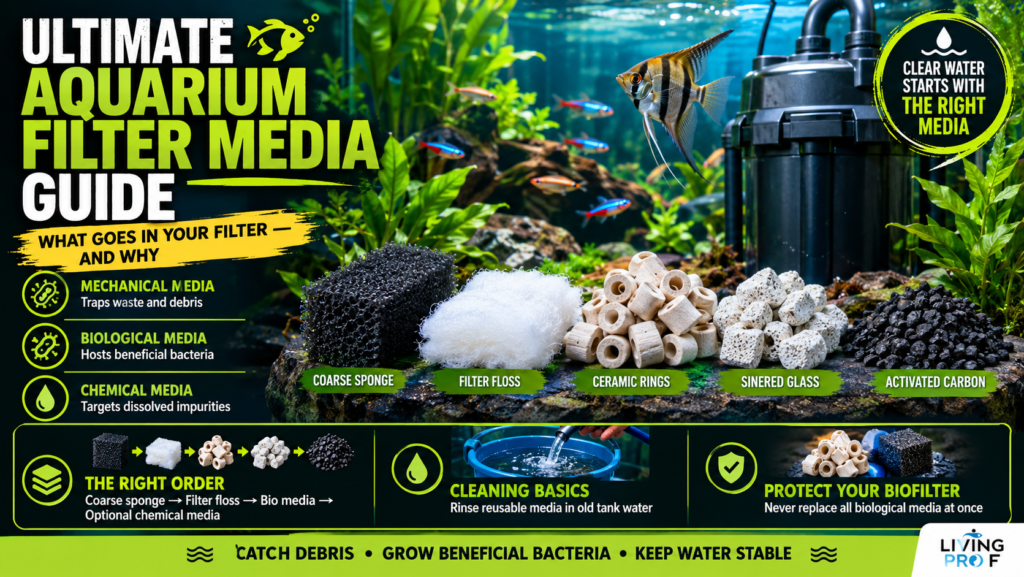
I run a large canister filter and over-filter my tank on purpose. You want strong biological filtration, but gentle current. They hate strong flow. Think calm river, not washing machine.
Use the Filter Media Calculator to size your media correctly. I under-filtered once and paid with weeks of stress.
What Works Best?
- Large canister filters
- Sponge filters (for breeding tanks)
- Double filtration for safety
You can browse options here:
10 Best Aquarium Filters for Freshwater Tanks
Dirty water leads to parasites fast. If you ever need it, this guide on Praziquantel for Fish – When and How to Use This Deworming Medicine saved me once. FYI, quarantine new fish. Always.
Water Parameters: Stability Beats Perfection
People obsess over pH numbers. I did too.
Discus prefer:
- pH: 5.5–7.0
- Soft water
- Low ammonia, zero nitrite, low nitrate
But here’s the truth — stable 6.8 beats swinging 6.0 every day. Ever chased perfect pH and made things worse? Yeah, me too.
Use:
- Reliable test kits
- Weekly 30–50% water changes
- RO water if your tap is hard
If you’re planning planted discus tanks, read this:
Best CO2 Systems for Planted Aquariums
And lighting matters too:
Best LED Aquarium Lights Compared 2026
Balance plants, CO2, and fish load carefully. Don’t overcomplicate it tho.
Substrate: Bare Bottom or Sand?
This one sparks debates. I’ve tried both.
Bare Bottom Tanks
- Easier to clean
- Best for breeding
- Cleaner look (IMO)
Fine Sand
- Natural look
- Discus feel calmer
- Harder to keep spotless
Breeders go bare bottom. Display tanks often use sand. I keep one of each because I can’t decide, honestly 🙂
Just avoid sharp gravel. Their fins tear easily.
Tank Mates: Calm or Nothing
Discus hate chaos. Don’t mix them with aggressive fish.
Good tank mates:
- Cardinal tetras
- Rummynose tetras
- Corydoras (warm-tolerant species)
Need more ideas? Check
Breeding Aquarium Fish Tank Companions Guide
and
Tropical Freshwater Rare Aquarium Fish Selection Guide
Never mix with coldwater fish. Obviously. If you need clarity, here’s a refresher:
Coldwater Subtropical Aquarium Fish Care Tips
Warm tank means warm species only.
Feeding & Growth: Keep It Clean
Feed high-protein food. Small portions. Multiple times daily.
Overfeeding ruins water fast. I feed:
- Quality discus pellets
- Frozen bloodworms
- Beef heart mix (occasionally)
Curious about growth foods? This guide helps:
Which Food Grows Monster Fish Faster
Remove uneaten food after 5 minutes. Don’t be lazy. Discus tanks punish laziness quickly.
Maintenance Routine: The Weekly Ritual
You want healthy discus? Commit to routine.
My weekly checklist:
- 40% water change
- Gravel vacuum
- Glass wipe
- Check heater + thermometer
- Test parameters
Simple stuff. But skip one week and nitrates creep up.
I use the Tank Capacity and Equipment Guide when planning upgrades. It saves guesswork.
Consistency keeps discus thriving. Flashy gadgets don’t.
Frequently Asked Questions About Discus Fish Tank Requirements
Can beginners keep discus?
Yes, but only if you commit to maintenance. They aren’t impossible. They just punish shortcuts.
What is the ideal tank size for 6 discus?
Minimum 75 gallons, but 90–100 gallons feels safer long term.
How often should I change water?
At least 30–50% weekly. Heavy feeding? Change more.
Can I keep discus in a planted tank?
Yes. Use stable CO2 and strong filtration. Monitor nutrients closely.
Why are my discus hiding?
Check temperature, water quality, and tank mates. They hide when stressed.