Key Takeaways About Mugger Crocodiles in Sri Lanka
Species: Mugger Crocodile (Crocodylus palustris)
Habitat: Freshwater lakes, rivers, village tanks
Top Sightings: Yala National Park, Wilpattu National Park, Udawalawe National Park
Size: Up to 4–5 meters (big males get massive, honestly)
Diet: Fish, birds, deer, sometimes livestock
Conservation Issue: Habitat loss and human conflict
Fun Fact: Nest temperature decides baby gender
Now let’s talk properly.
You’ve probably seen a mugger crocodile lying like a grumpy log near a Sri Lankan tank bund. And you probably thought, “Is that thing even alive?” Oh, it is alive. It just doesn’t waste energy. I’ve watched one sit for two hours without blinking, and then suddenly snap a fish in half. Zero warning. Wild stuff.
Why Mugger Crocodiles Still Rule Sri Lanka’s Freshwater Wetlands
You know what amazes me? These crocodiles don’t need oceans. They rule ponds, reservoirs, muddy rivers — all of it. They dominate Sri Lanka’s dry zone like they own the place. And honestly… they kinda do.
Places like Yala National Park and Wilpattu National Park hold strong populations. I’ve seen them stacked along the banks in the hot season, just soaking in the sun like they pay rent there.
They love:
Slow-moving rivers
Ancient irrigation tanks
Marshy wetlands
Reservoir edges
Sri Lanka built thousands of tanks centuries ago. Guess who moved in? Yep. The mugger crocs said “nice pond, thanks” and settled in.
Ever wondered why they prefer freshwater when saltwater crocs exist? Simple. They evolved for it. Their body handles inland waters better. They don’t wander far into the sea.
And FYI, if you think they only live in remote jungle, nah. Some live shockingly close to villages. That’s where the real conservation tension begins :/
What Exactly Is a Mugger Crocodile? (And Why People Call It the Marsh Croc)
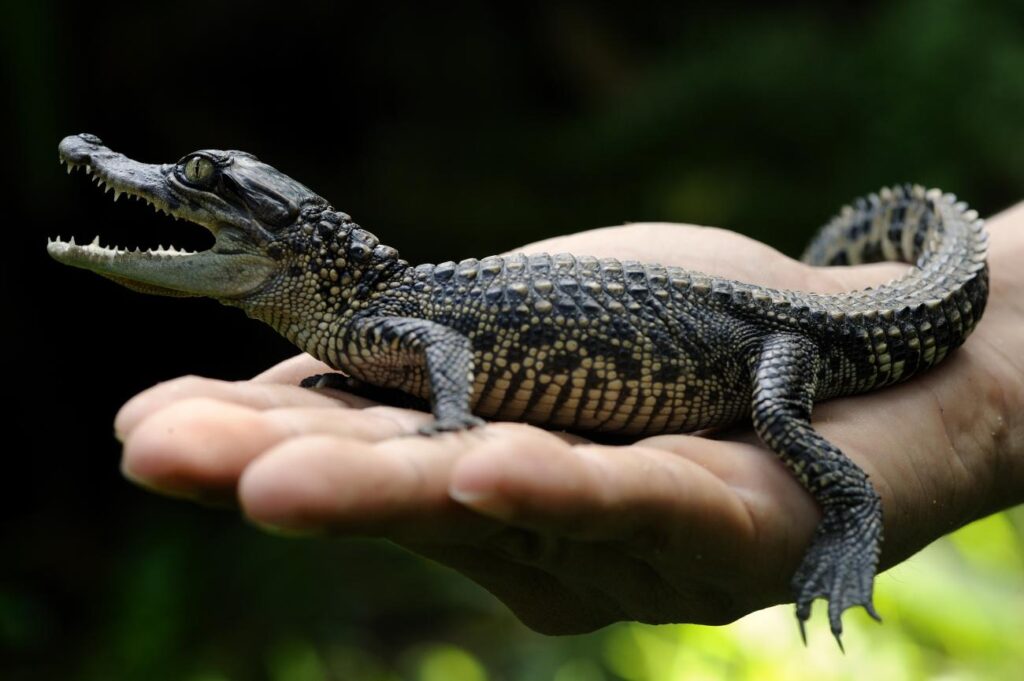
The mugger crocodile, or Crocodylus palustris, has a broad snout and a heavy body. It looks chunky compared to the saltwater crocodile. That wide snout helps it crush prey better.
Key physical traits:
Broad, rounded snout
Dark olive to brown skin
Strong tail for fast lunges
Armored scales called scutes
I once stood about 20 meters from one at a tank near Udawalawe. It looked slow. It looked lazy. It looked… harmless? That thought lasted three seconds. It slid into water without a sound. Gone. Like it dissolved.
People confuse them with the saltwater crocodile. But mugger crocs stay inland. They don’t grow as long as saltwater crocs, but they still get seriously big.
Would you swim in a tank that has one? Yeah… me neither.
Where You Actually See Them in Sri Lanka (Real Spots, Not Just Maps)
Let’s talk real places. Not textbook answers.
At Udawalawe National Park, I’ve seen them resting along the reservoir edges in broad daylight. They don’t even hide.
In Minneriya National Park, during dry season, water levels drop and crocs gather near remaining pools. You can count several in one glance.
Top mugger crocodile hotspots:
Yala National Park
Wilpattu National Park
Udawalawe National Park
Minneriya National Park
But here’s something most articles won’t tell you — village irrigation tanks often host them too. Farmers know it. Kids know it. Locals stay alert.
Ever notice how calm they look? That calm is strategy. They conserve energy like pros.
How Big Do They Get… and Do They Really Chase People?
Let’s clear drama.
Adult males can reach 4–5 meters. That’s longer than a small car. Females stay smaller.
Do they chase people on land? Not really. They prefer ambush near water. They attack when someone enters their zone. They don’t run marathons for fun.
Their attack style:
Wait silently
Sudden lunge
Drag prey into water
Death roll
Brutal, yeah. Efficient? Very.
I’ve seen tracks along muddy banks. You realize quickly that you stand inside their territory, not the other way around.
IMO, respecting their space solves 80% of problems.
What Do Mugger Crocodiles Eat in Sri Lanka? (Spoiler: More Than You Think)
Young crocs eat insects and small fish. Adults? They upgrade fast.
Diet includes:
Fish
Water birds
Monkeys
Deer
Wild boar
Occasionally livestock
During dry months, prey gathers near shrinking water. Crocs take advantage. Nature doesn’t do fairness.
Sometimes large males even eat smaller crocodiles. Yeah. Cannibal vibes. Survival first.
I once watched a mugger float with just its eyes above water. A bird landed nearby. One second later — splash. Silence. That’s how fast it happens.
Conservation Status in Sri Lanka – Are They Safe or Struggling?
People assume crocodiles don’t need help. Wrong.
Main threats:
Habitat loss
Encroachment near wetlands
Accidental killings
Fear-based retaliation
Sri Lanka protects them under wildlife law. Rangers relocate problem crocs when conflict rises. But relocation doesn’t always fix root issues.
Human expansion shrinks natural buffers. When people bathe or wash near croc habitat, risk rises. It’s not villain vs hero. It’s overlapping territory.
Ever wondered why conflict spikes in dry season? Water sources shrink. Everyone crowds the same spot. Simple math.
Conservation works best when local communities understand croc behavior. Education matters more than drama headlines.
Strange but True Facts About Mugger Crocodiles
Okay, let’s end with cool stuff.
Nest temperature decides baby gender. Warmer nests produce more males.
Females guard nests fiercely. Don’t test that.
They can sprint short distances on land.
They can stay underwater for long periods.
One time, I watched a mother hover near her nest mound. She looked relaxed. She was not relaxed. She monitored every movement.
Crocodiles survived for millions of years. That’s not luck. That’s efficiency.
Conclusion
Mugger crocodiles shape Sri Lanka’s freshwater ecosystems in a very real way. They control prey numbers. They hold territory. They demand respect.
If you visit places like Yala National Park or Wilpattu National Park, watch them from a safe distance. Don’t test your bravery for a selfie. That never ends well.
They aren’t monsters. They aren’t pets. They’re ancient predators doing what they’ve always done.
And honestly… that’s kinda impressive.
Frequently Asked Questions
Are mugger crocodiles dangerous to humans?
Yes, if humans enter their water territory. They rarely attack without provocation.
Where can I see mugger crocodiles in Sri Lanka?
Yala National Park, Udawalawe National Park, and Wilpattu National Park are reliable spots.
How long do mugger crocodiles live?
They can live 40–70 years in the wild.
Do they live in saltwater?
No. They prefer freshwater habitats.
Why are they important?
They regulate fish and animal populations and keep wetland systems balanced.
Got more croc questions? Good. That means you’re paying attention