Key Takeaways – Sri Lankan Black Turtle Care at a Glance
| Topic | What You Need to Know |
|---|---|
| Tank Size | Minimum 75–100 gallons for one adult |
| Water Temp | 24–28°C (75–82°F) |
| Basking Spot | 30–32°C (86–90°F) with UVB light |
| Diet | Leafy greens + aquatic plants + protein |
| Lifespan | 20+ years with proper care |
| Filtration | Strong external canister filter |
| Common Mistake | Small tanks and weak UVB |
| Beginner Tip | Plan long-term before you buy |
Sri Lankan Black Turtle: Complete Care Guide for Beginners
So you’re thinking about keeping a Sri Lankan Black Turtle, huh? Good choice… but also, bold choice. This turtle looks calm and serious, almost like it’s judging your tank setup from day one. I’ve kept one for years, and trust me, it will test your patience if you don’t set things up right.
People often assume it’s “just another freshwater turtle.” Nope. It has specific needs, and if you ignore them, it shows you with cloudy water, poor appetite, or shell issues. Let’s talk about what actually matters — no robotic fluff, just real stuff you need to know.
Understanding the Sri Lankan Black Turtle’s Natural Habitat
This turtle comes from Sri Lanka, where it lives in slow-moving freshwater ponds, marshes, and shaded wetlands. The climate there stays warm and humid most of the year. That matters more than people realize.
In the wild, it:
Swims in calm water
Basks under natural sunlight
Hides under plants and submerged roots
Eats aquatic plants and small invertebrates
I once tried keeping mine in slightly cooler water “just to see.” Bad idea. It stopped eating properly within days. These turtles like stable warmth. Not warm-ish. Warm.
You must recreate:
Consistent heat
Clean, filtered water
Strong UVB lighting
Shaded hiding areas
Ever wondered why some turtles grow uneven shells? Poor lighting and diet. That’s it. No mystery.
And please, don’t keep them in tiny plastic tubs. They aren’t decorative desk pets. They need space, and they will use every inch of it.
Choosing the Right Tank Size and Setup
Let me ask you something. Would you live your whole life in a bathroom? No? Then don’t do that to your turtle.
An adult Sri Lankan Black Turtle needs at least 75–100 gallons. Bigger is better. I keep mine in a 120-gallon tank, and even that sometimes feels tight.
Tank Essentials
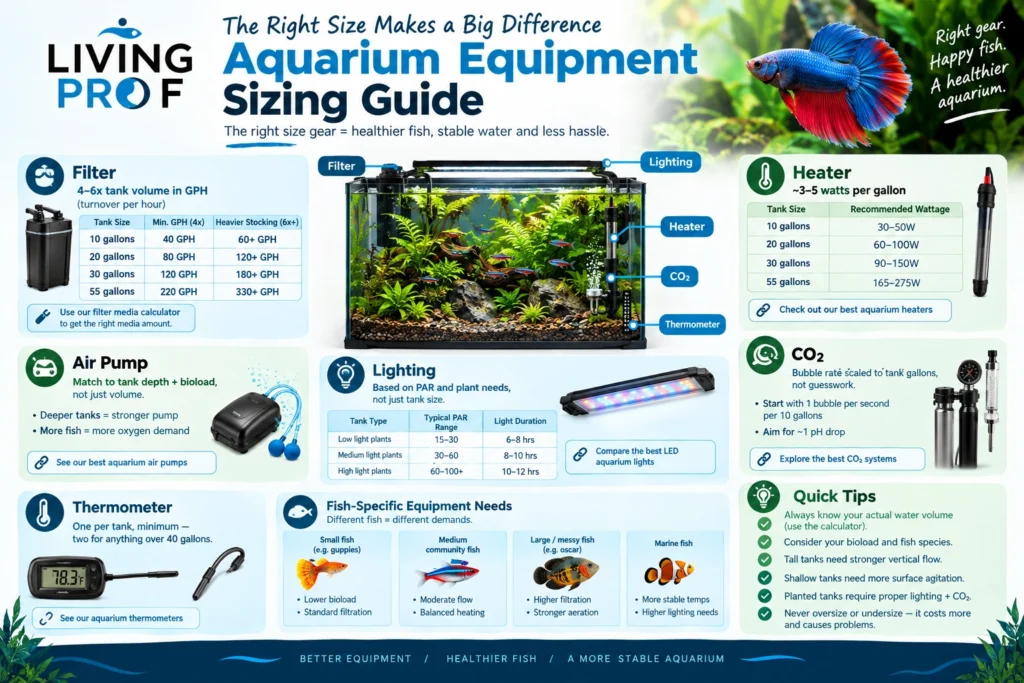
You need:
Large glass aquarium (minimum 4 feet long)
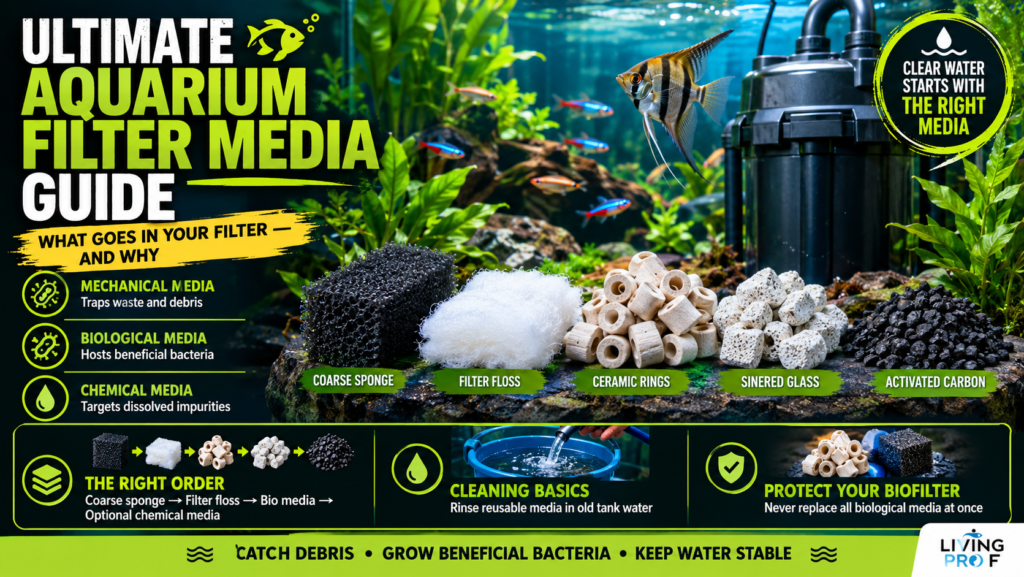
Strong external canister filter
Basking platform
UVB bulb (10.0 strength)
Submersible heater
Thermometer (water + basking)
Water Depth
Give them deep water. They are strong swimmers. I keep mine at about 12–16 inches deep.
If you:
See weak swimming
Notice floating issues
Observe lethargy
Check water temperature first. It’s almost always that.
Keep the water at 24–28°C. Keep the basking area around 30–32°C.
Don’t guess temperatures. Use thermometers. I learned that the hard way :/
Lighting and UVB: Why It Actually Matters
Let’s talk about lighting. And no, a regular room light does not count.
This turtle needs:
UVB for shell and bone health
Heat lamp for digestion
10–12 hours of light daily
Without UVB, they develop metabolic bone disease. I’ve seen it. Soft shells. Deformed growth. It’s sad and avoidable.
I replace my UVB bulb every 6 months, even if it still glows. Why? Because UVB strength drops before visible light does.
Position the basking area so the turtle can:
Fully dry its shell
Sit comfortably
Climb up easily
Ever seen a turtle ignore its basking dock? Usually the ramp is too steep or unstable. Fix that first.
Lighting feels boring to discuss, but it makes or breaks their health. Seriously.
Feeding the Sri Lankan Black Turtle Properly
Okay, food time. This part is fun.
These turtles are mostly herbivorous, especially as adults. Younger ones eat more protein.
What I Feed Mine
Staple foods:
Romaine lettuce
Dandelion greens
Water lettuce
Duckweed
Protein (2–3 times per week):
Earthworms
Snails
High-quality turtle pellets
Avoid:
Iceberg lettuce (useless nutrition)
Too much shrimp
Processed human food (why would you even try?)
Overfeeding protein causes shell pyramiding. That’s when the shell grows uneven and bumpy.
I feed mine once daily. I remove leftovers after 20 minutes. Dirty water leads to shell rot, and shell rot is a pain to treat.
Ever noticed how they beg for food constantly? Don’t fall for it. They act hungry even when full. Little drama kings.
Water Quality and Filtration
If you hate cleaning filters, don’t keep this turtle. I’m being honest.
They produce a lot of waste. A LOT.
You need:
Strong canister filter rated for tanks larger than yours
Weekly partial water changes (25–30%)
Monthly deep filter cleaning
I once underestimated filtration, and my tank turned cloudy within 48 hours. Lesson learned.
Test your water regularly:
| Parameter | Ideal Range |
|---|---|
| Ammonia | 0 ppm |
| Nitrite | 0 ppm |
| Nitrate | Below 40 ppm |
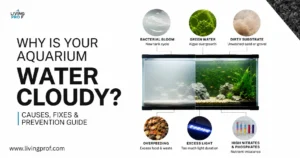
Cloudy water usually means:
Overfeeding
Weak filtration
Poor cycling
Cycle your tank before adding the turtle. Please. Cycling saves lives, no exageration.
Handling and Behavior
These turtles stay calm but observant. They aren’t cuddly. Don’t expect affection.
When I approach the tank, mine watches me. If I move too fast, it dives instantly.
Handle them only when necessary:
Tank cleaning
Health checks
Vet visits
Support their whole body. Never lift by the shell edges alone.
They may:
Hiss when stressed
Withdraw fully into shell
Scratch when scared
That doesn’t mean they hate you. It means they feel unsafe.
Ever tried bonding by hand-feeding? It works sometimes. Just don’t overdo it.
IMO, watching them swim peacefully gives more satisfaction than holding them.
Common Health Issues and Prevention
Prevention beats treatment. Always.
Watch for:
1. Shell Rot
Soft spots
Bad smell
Discoloration
Cause: Dirty water.
2. Respiratory Infections
Open-mouth breathing
Bubbles from nose
Leaning while swimming
Cause: Cold water.
3. Vitamin Deficiency
Swollen eyes
Poor appetite
Cause: Poor diet and no UVB.
I check my turtle weekly. Quick visual scan. Active swimming? Clear eyes? Smooth shell? Good.
If something looks off, act fast. Reptile vets are harder to find than dog vets, so plan ahead.
Long-Term Commitment and Final Thoughts
Here’s the truth. This turtle can live over 20 years. That’s not a short hobby. That’s a commitment.
Ask yourself:
Do I have space long-term?
Can I afford electricity for heating?
Will I still care in 10 years?
If yes, then you’ll enjoy it. Watching them glide in clean water feels oddly calming.
I don’t regret keeping mine. It taught me patience and routine. It also taught me that shortcuts never work with reptiles.
Keep it simple:
Big tank
Strong filter
Proper UVB
Balanced diet
Stable heat
Do those things, and your Sri Lankan Black Turtle will thrive.
Frequently Asked Questions
How big does a Sri Lankan Black Turtle grow?
Adults usually reach 8–12 inches, depending on gender and care quality.
Can beginners keep this turtle?
Yes, but only if they prepare properly. It’s not a low-maintenance pet.
Do they need tank mates?
No. They do fine alone and may compete for basking space.
How often should I clean the tank?
Weekly partial water changes and monthly filter maintenance work well.
Do they bite?
They can if stressed. Respect their space.