Tropical Freshwater & Rare Aquarium Fish: Species Selection Guide
Key Takeaways
Before we get into the fun chaos, here’s the straight-up stuff you probably wanna know first.
-
Match fish size to tank size, not store tank size.
-
Check temperament before buying, rare doesn’t mean peaceful.
-
Stability beats perfection in water parameters.
-
Rare fish often need specialized food and tighter maintenance.
-
Beginner-friendly tropical freshwater fish rarely cost you sanity.
| Experience Level | Tank Size | Fish Type | Risk Level |
|---|---|---|---|
| Beginner | 20–40 gallons | Community tropical freshwater | Low |
| Intermediate | 40–75 gallons | Semi-aggressive rare species | Medium |
| Advanced | 75+ gallons | Sensitive or predatory rare fish | High |
Alright. Now let’s talk like actual fish nerds.
Why Tropical Freshwater Fish Still Win (And When Rare Species Make Sense)
You ever notice how people chase rare aquarium fish like they’re collecting trading cards? I did that once. My wallet cried a little.
Most tropical freshwater fish survive because they adapt well. Tetras, gouramis, rasboras—they handle small mistakes. Rare fish? They notice everything. Tiny temp swing? They sulk.
I kept a rare wild-type species years ago, and I swear that fish judged my water changes. Did I love it? Yeah. Did it stress me out? Also yeah.
Ask yourself this:
Do you want a relaxing hobby… or a tiny aquatic diva?
Rare species make sense if:
-
You run stable tanks consistently
-
You test water weekly
-
You don’t skip maintenance
-
You accept possible losses
Common tropical freshwater setups give you color and movement without constant anxiety. Rare fish give you bragging rights. Pick your vibe.
Tank Size Rules I Learned the Hard Way
Let me ask you something weird. Why do fish look calm in small store tanks but go wild at home? Because store tanks rotate stock fast. Yours won’t.
Small tanks amplify aggression. I learned that after squeezing semi-aggressive fish into a 30-gallon setup. Bad idea. Real bad.
Here’s what actually works:
-
Small schooling fish: 20 gallons minimum
-
Dwarf cichlids: 30–40 gallons
-
Medium rare species: 55 gallons+
-
Predatory rare fish: 75 gallons+
Growth surprises people. That “cute” 2-inch juvenile might hit 6 inches in months. I’ve seen it happen, and then you’re scrambling for a bigger tank at 10 PM.
Red flags when stocking:
-
Fish hiding constantly
-
Torn fins
-
Fish hovering at surface
-
Random chasing
If you see two of those signs, your tank screams at you quietly.
Water Parameters: The Stuff People Ignore (Until Fish Get Sick)
Ever skip testing for a few weeks and think “eh it’s fine”? Yeah. Same. Then something acts off.
Most tropical freshwater fish like:
-
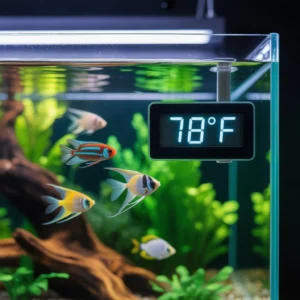
Temperature: 24–28°C (75–82°F)
-
pH: 6.5–7.5
Rare species can demand tighter windows. African lake fish prefer higher pH. Amazon species lean acidic. Mixing them creates drama.
| Region | Temp | pH | Stability Level |
|---|---|---|---|
| Amazon Basin | 24–28°C | 6.0–7.0 | High |
| Southeast Asia | 25–30°C | 6.5–7.5 | Moderate |
| African Rift Lakes | 24–27°C | 7.8–8.5 | Very High |
IMO, stability matters more than chasing exact numbers. Sudden pH swings hurt more than slightly imperfect pH.
Test weekly. Change water regularly. Your fish don’t text you when something’s wrong 🙂
Temperament: Who Fights, Who Hides, Who Pretends to Be Peaceful
Let’s talk personalities. Fish have them. Some are chill. Some wake up angry.
Schooling fish need groups of 6+. Keep 2–3 and they stress out. Then they nip others. Then you blame the wrong fish. It’s a mess.
Semi-aggressive rare fish need space and line-of-sight breaks. Add:
-
Driftwood
-
Plants
-
Rocks
-
Caves
Territorial species claim zones. If your tank lacks structure, they claim everything.
Predatory rare fish? They don’t negotiate. If it fits in their mouth, they eat it. Simple.
Compatibility cheat sheet:
-
Tetras + dwarf cichlids: Usually okay
-
Rare predators + nano fish: Nope
-
Multiple territorial males: Risky
Ever bought a fish because it looked calm at the store? That’s retail behavior. Home behavior hits different.
Rare Aquarium Fish That Actually Work in Home Tanks
Okay, here’s the part people care about.
Some rare species adapt well if you prepare right. I’ve kept a few, and some surprised me.
Examples:
-
Rare wild-type bettas (need planted tanks)
-
Exotic plecos (require driftwood diet)
-
Certain dwarf cichlid variants
-
Uncommon rainbowfish species
Pros of rare fish:
-
Unique patterns
-
Interesting behaviors
-
Breeding challenges
Cons:
-
Higher cost
-
Sensitive to change
-
Limited food acceptance
One exotic pleco I kept refused pellets for weeks. I had to source proper wood and supplement veggies. Worth it? Yeah. Easy? Nah.
If you choose rare fish, research feeding habits deeply. Some need live or frozen foods consistently.
Feeding Rare Tropical Fish Without Wrecking Your Water
Overfeeding ruins more tanks than bad filters. I see it all the time.
Rare fish often need:
-
Frozen bloodworms
-
Brine shrimp
-
High-protein pellets
-
Occasional live food
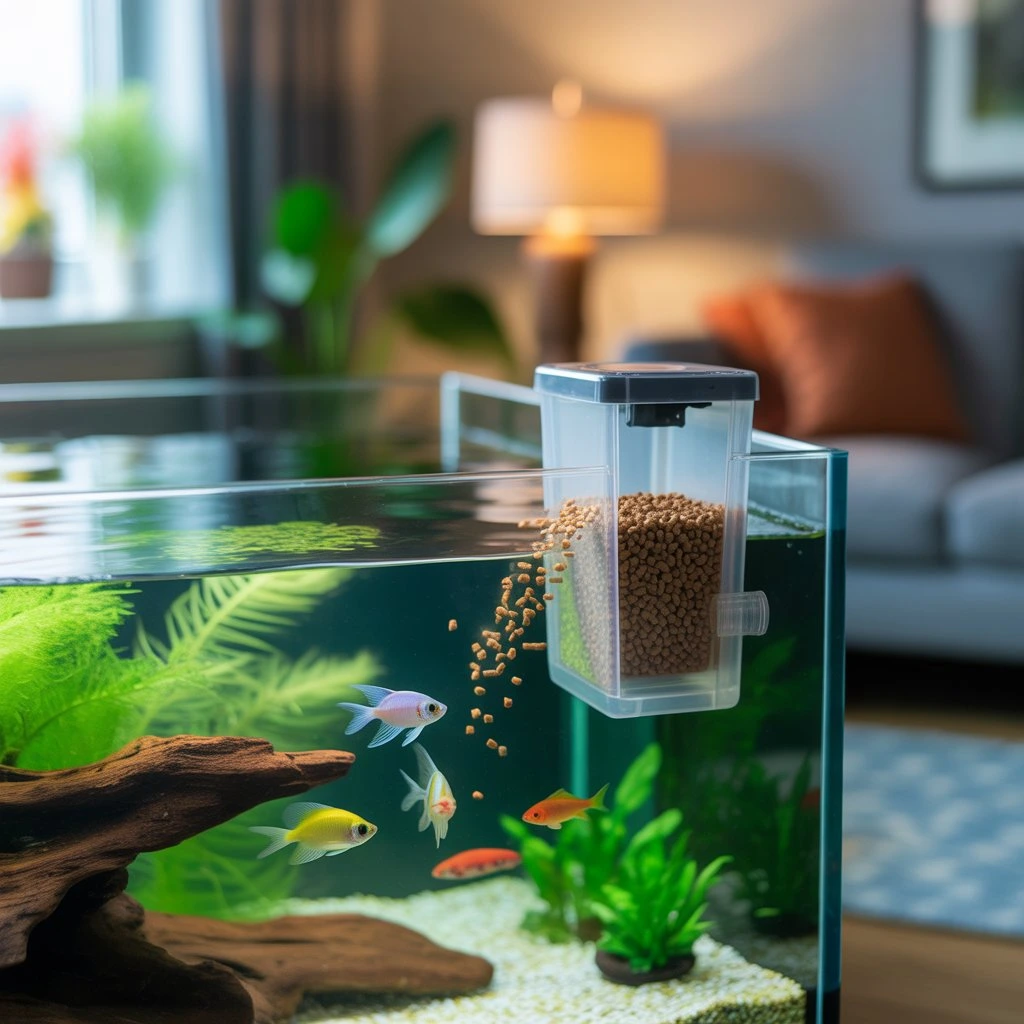
Feed small portions. Watch them eat. Remove leftovers.
Here’s a simple feeding rhythm:
-
Nano tropical fish: Once daily
-
Medium semi-aggressive fish: Once daily, moderate protein
-
Predatory species: 2–3 times weekly
Too much protein spikes ammonia fast. Rare fish react badly.
FYI, fasting one day a week helps digestion and water quality. I started doing that years ago and saw cleaner tanks.
Long-Term Care, Cost, and Realistic Expectations
Let’s be real. Rare aquarium fish cost more than the price tag.
You pay for:
-
Larger filtration
-
Strong heaters
-
Specialty food
-
Backup equipment
Electricity adds up too.
Some tropical freshwater fish live 3–5 years. Certain rare species live 10+. That’s a commitment. You cool with that?
If you travel often or skip maintenance sometimes, stick to hardy community fish. They forgive mistakes.
I love rare species, but I only keep them when I know I can stay consistent. Fish depend on routine. They don’t adjust because you got busy.
Conclusion
So here’s the honest truth.
Common tropical freshwater fish give you color, movement, and peace of mind. Rare aquarium fish give you challenge and bragging rights. Both work. It depends on your setup and patience.
Start stable. Learn your tank. Then experiment carefully.
You don’t need the rarest species to enjoy this hobby. You just need healthy fish and a system that works.
And if you ever impulse-buy a rare fish without planning… well, we’ve all done dumb stuff in this hobby. Just fix it fast and do better next time
Frequently Asked Questions
Q: Are rare aquarium fish harder to keep?
Yes, most rare species require stricter water stability and specialized diets.
Q: What tank size works best for tropical freshwater fish?
A 20–40 gallon tank suits most beginner community setups.
Q: Can I mix rare fish with common tropical fish?
Sometimes, but check temperament and water parameter compatibility first.
Q: Do rare fish grow larger than store labels suggest?
Often, yes. Always research adult size.
Q: Should beginners buy rare aquarium fish?
I wouldn’t recommend it. Build experience first, then try more sensitive species.