Key Takeaways
Treat only when symptoms clearly point to parasites.
Confirm internal vs external worms before dosing.
Remove carbon and increase aeration during treatment.
Dose accurately based on real water volume.
Repeat treatment if the medication requires it.
Monitor fish closely for 7–14 days after treatment.
What “When and How to Use This Deworming Medicine” Actually Means in Real Life
You know that moment when your fish looks “off” and your brain jumps straight to meds? Yeah… I’ve done that too. But using deworming medicine isn’t something you just throw into the tank because vibes feel weird.
So when do you actually use it?
You use it when you see clear parasite symptoms, not random mood swings. Fish skip meals sometimes. Fish hide sometimes. That alone doesn’t mean worms are throwing a party inside them.
I once treated an entire tank because one guppy looked skinny. Turns out the poor guy was just getting bullied at feeding time. I stressed the whole tank for no reason. Don’t be me :/
Deworming medicine works well when:
Fish eat but still lose weight
You see white, stringy poop
Bellies look sunken
Fish spit food repeatedly
If you don’t see those? Pause. Observe. Watch for a few days. Act with intention, not panic.
That’s what “when and how to use this deworming medicine” really means. Timing matters more than the bottle label makes it sound.
Clear Signs Your Fish Actually Need Deworming (Not Just “Acting Weird”)
Let’s ask the real question.
Is your fish sick… or just dramatic?
Fish act strange for lots of reasons. Bad water. Stress. New tank mates. But parasites show specific patterns.
Look for These Symptoms:
Weight loss despite normal eating
Sunken stomach area
White or clear stringy feces
Reduced growth in juveniles
Fish isolating constantly
If you see just one mild symptom? Watch closely.
If you see 2–3 together? Now we’re talking.
Here’s a simple breakdown:
| Symptom | Likely Parasites? | Could Be Something Else? |
|---|---|---|
| Stringy poop | Very likely | Rarely |
| Sunken belly | Common | Starvation |
| Flashing | Sometimes | Water irritation |
| Lethargy | Possible | Poor water quality |
See the pattern? Worm issues often show through digestion problems first.
Ever notice how parasite fish still beg for food? That always fooled me. They eat like champs but waste away. Creepy, honestly.
Internal vs External Parasites – Know What You’re Treating
Here’s where people mess up big time.
They treat the wrong thing.
Internal worms live in the gut. External parasites mess with skin or gills. Deworming medicine usually targets internal parasites like nematodes or tapeworms.
If your fish gasp at the surface? That’s more likely gill parasites or oxygen issues. Dewormers won’t magically fix that.
Internal Parasite Clues:
White poop
Wasting body
Normal appetite but no weight gain
External Parasite Clues:
Flashing on decor
Visible worms (rare but happens)
Frayed fins with irritation
I once tried internal dewormer for flashing behavior. Did absolutely nothing. Turns out ammonia was slightly high. Classic mistake.
So ask yourself:
Is this digestion… or irritation?
Answer that before dosing.
When to Treat the Whole Tank vs a Hospital Tank
This part always sparks debate. Treat all fish? Or isolate?
IMO, if multiple fish show symptoms, treat the whole tank. Parasites spread through feces and shared water.
But if only one fish shows clear signs and you catch it early? A hospital tank works better.
Here’s how I decide:
Treat the Whole Tank If:
Multiple fish show stringy poop
Fish share feeding areas
The tank is small
Use Hospital Tank If:
One fish shows advanced symptoms
You want controlled dosing
Sensitive species live in main tank
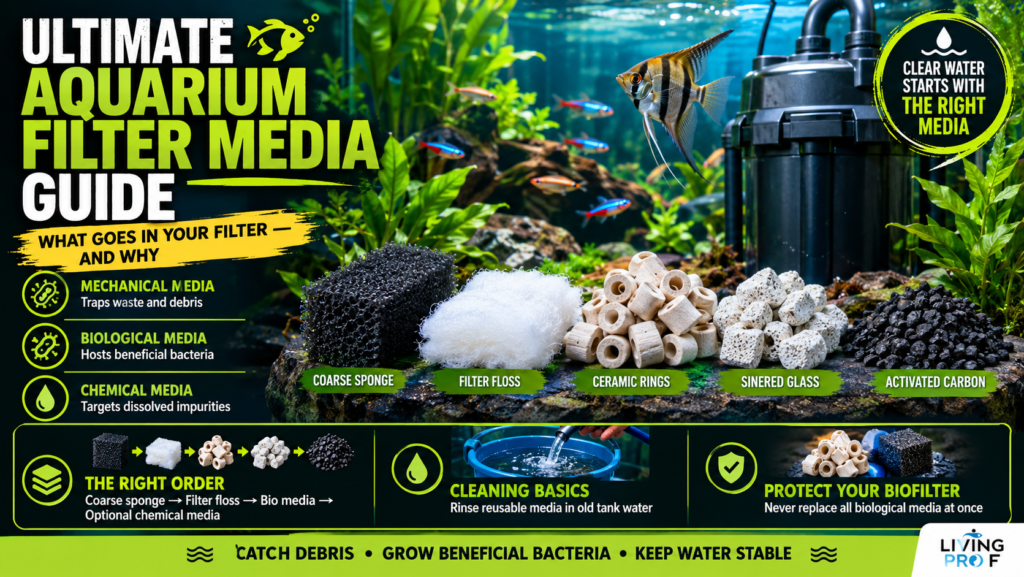
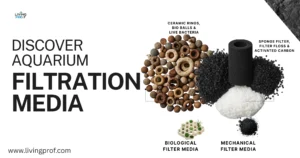
Also remove carbon from filters. Carbon absorbs medication. Then you basically dose expensive water. Not helpful.
Increase aeration too. Some meds lower oxygen slightly. I always add an air stone during treatment.
Exact Dosing: How to Use Deworming Medicine Without Hurting Fish
Now we get practical.
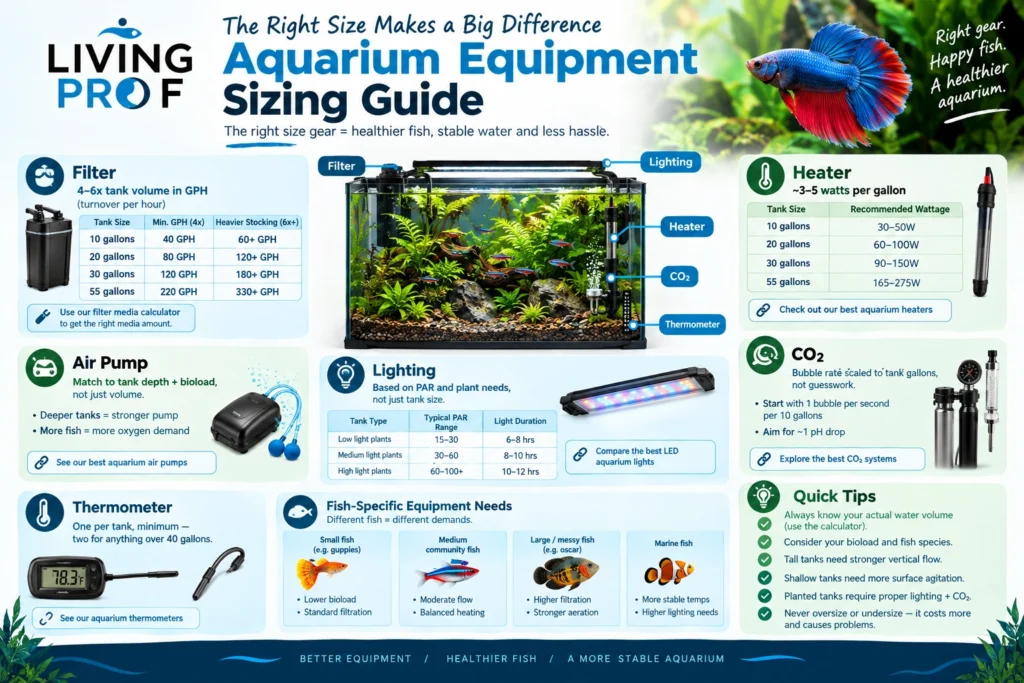
First question. Do you know your real water volume? Or just tank size? Big difference.
Subtract substrate, rocks, decor. A 100L tank might hold 80L actual water.
Step-by-Step Dosing:
Measure actual water volume
Remove carbon from filter
Turn off UV sterilizer
Add correct dosage based on instructions
Increase aeration
Avoid feeding heavily during treatment
Never eyeball dosing. Ever. Under-dosing fails treatment. Over-dosing stresses fish.
I use a syringe for liquid meds. It keeps things accurate. No guessing.
And please don’t mix random meds together unless you fully know compatibility. That combo chaos never ends well.
Feeding vs Water Column Treatment – Which Works Better?
Good question, right?
Some dewormers work better through food. Others dissolve in water.
If fish still eat well, medicated food hits internal parasites more directly. It targets the gut. Clean and efficient.
If fish refuse food? Use water treatment.
Here’s a quick comparison:
| Method | Best For | Limitation |
|---|---|---|
| Medicated Food | Internal worms | Fish must eat |
| Water Treatment | Multiple fish | Less targeted |
I prefer medicated food when possible. It feels more precise. But if the whole tank shows signs, water dosing makes sense.
Ever tried soaking pellets in medication? It smells weird. Works great though.
What Happens After Treatment? (Monitoring & Second Doses)
Here’s where patience matters.
Most deworming medicines require a second dose after 5–7 days. Why? Because eggs hatch after the first round.
If you skip the second dose, worms can return. Annoying, I know.
After Treatment Checklist:
Perform partial water change (as directed)
Vacuum substrate lightly
Monitor feces appearance
Watch weight gain
Improvement signs:
Poop returns to brown and solid
Belly fills out
Energy improves
I usually see changes within a week. Full recovery can take two weeks.
Don’t rush to re-treat unless symptoms persist clearly.
Common Mistakes That Ruin Deworming Results
Let’s be honest. We all mess up sometimes.
Biggest mistake? Treating “just in case.” That stresses fish and weakens biofilters.
Other common issues:
Under-dosing because you guessed volume
Forgetting second dose
Leaving carbon in filter
Ignoring water quality during treatment
Worm medicine won’t fix ammonia spikes. Clean water still rules everything.
If fish show no improvement after full treatment cycle, reassess diagnosis. Maybe it wasn’t worms at all.
And yeah… that happens more than people admit.
Frequently Asked Questions
How often should I deworm aquarium fish?
Only when symptoms clearly indicate parasites. Routine deworming without signs isn’t necessary.
Can deworming medicine harm beneficial bacteria?
Most targeted dewormers don’t crash biofilters, but stress can increase if dosing is incorrect.
Can I feed normally during treatment?
Feed lightly. Overfeeding increases waste and stress.
Do I need to quarantine new fish to prevent worms?
Yes. Quarantine reduces parasite introduction significantly.
What if only one fish shows symptoms?
Consider a hospital tank unless others show signs too.