Key Takeaways – Monster & Exotic Giant Aquarium Fish Care
Tank size matters first. Most monster fish need 300–1000+ gallons.
Filtration must overpower the bioload. Use dual sump systems or large canisters.
Growth happens fast. Many species outgrow small tanks within a year.
Diet shapes health and color. Use varied, high-protein foods.
Tankmates require planning. Aggression and mouth size decide everything.
Water stability beats fancy décor. Big fish hate unstable parameters.
Long-term cost is real. Electricity, food, and water changes add up.
Now… you still wanna keep a monster fish? Good. I like your attitude already.
Monster & Exotic Giant Aquarium Fish Care: Complete Setup Guide
You ever stare at a normal community tank and think, “Yeah… but what if everything in there was massive and slightly intimidating?” Same. That’s how I got into monster fish years ago. One big predator gliding across a tank changes the whole room. It feels alive in a different way.
But here’s the thing. These fish don’t forgive lazy planning. They grow. Fast. And they eat like they’re trying to prove something. So let’s talk properly about monster & exotic giant aquarium fish care, without fluff or weird motivational speeches.
1. Choosing the Right Monster Fish (And Being Honest With Yourself)
So first question: Why do you want a monster fish? For size? For color? For bragging rights? No judgement… just be real with yourself.
Some popular species include:
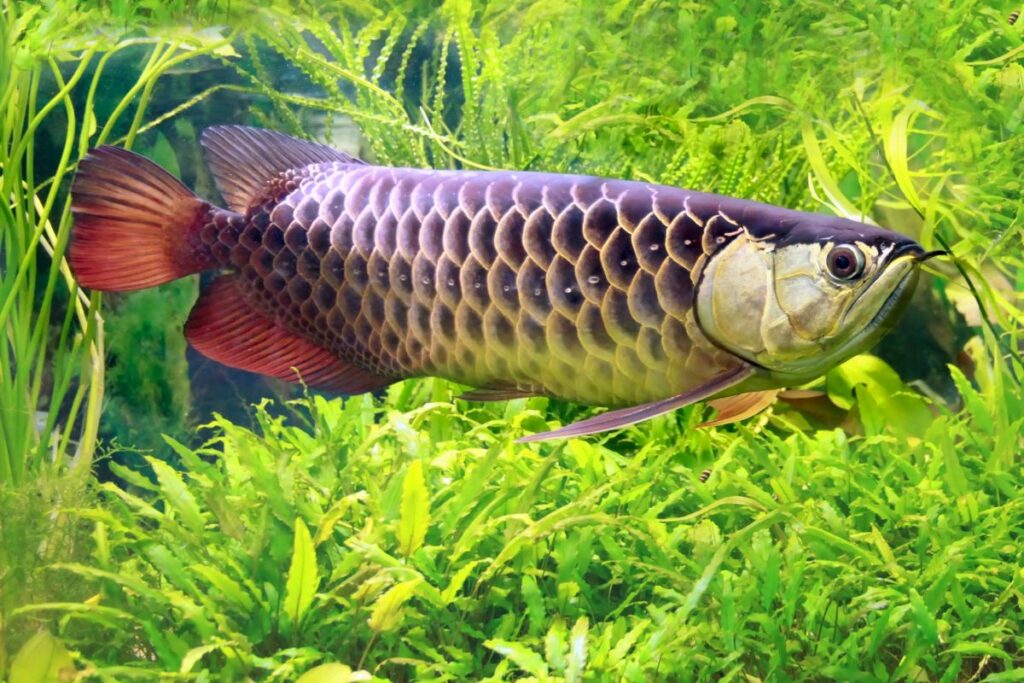
Arowana
Redtail Catfish
Oscar
Peacock Bass
Giant Gourami
Each one acts different. An Arowana swims constantly near the surface. An Oscar watches you like it pays rent. A Redtail Catfish eats like a vacuum with feelings.
Growth Reality Check
People buy a 3-inch juvenile and think, “Oh it’s fine.”
It’s not fine. It becomes 24–48 inches in some cases.
Ask yourself:
Can I house this fish for 10–20 years?
Can I upgrade tanks later?
Can I afford the electricity?
I once rehomed a Peacock Bass because I underestimated its speed and growth. That fish turned my 6-foot tank into a racetrack. Lesson learned the hard way, lol.
Expert tip: Always research adult size first. Never buy based on baby size. That’s how monster fish forums get dramatic real fast.
2. Tank Size & Structural Setup (Glass Is Not Enough)
Let me ask you something: Would you keep a large dog in a closet? No? Then why squeeze a 3-foot fish into 125 gallons?
For most giant species:
| Fish Type | Minimum Tank Size |
|---|---|
| Oscar | 125 gallons |
| Arowana | 250–300 gallons |
| Peacock Bass | 300+ gallons |
| Redtail Catfish | 800–1000 gallons |
And that’s minimum. Bigger always wins.
Tank Material Matters
Thick glass (12mm+ for large builds)
Acrylic for ultra-large tanks
Strong metal stand
Reinforced flooring (seriously)
I’ve seen tanks bow slightly over time. That sight gives me anxiety I don’t need in my life :/
Layout Tips
Keep décor minimal
Leave open swimming lanes
Anchor heavy rocks securely
Monster fish knock things over. They don’t ask permission.
3. Filtration: Overdo It or Regret It
Here’s the question: How much waste can one fish produce?
Answer: An unreasonable amount.
Monster fish create heavy bioload. So I run:
Dual sump systems
Large canister filters
High flow return pumps
Why Sump Systems Work Best
Huge media capacity
Easy maintenance
Better oxygen exchange
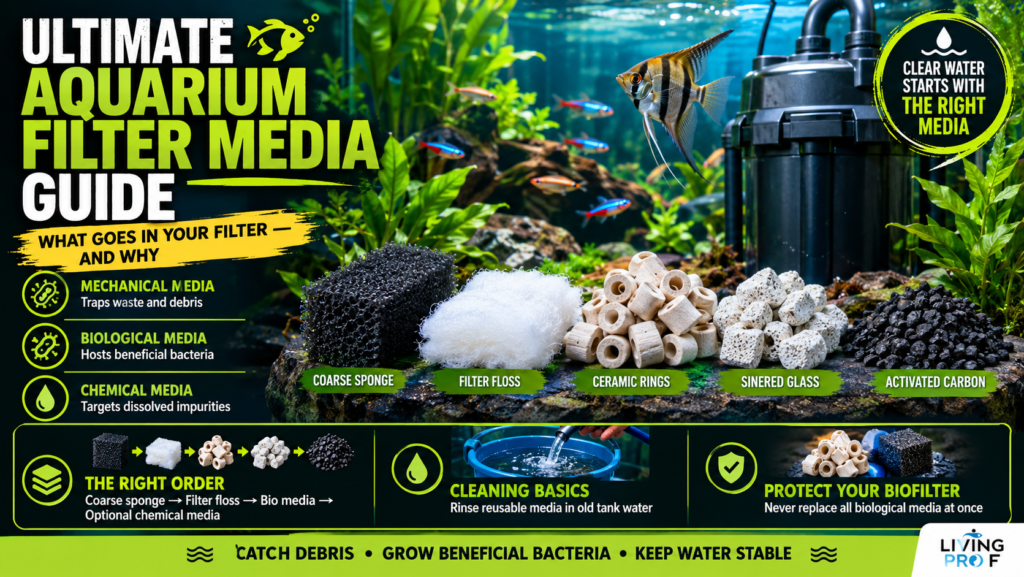
Big fish consume protein-rich food. That spikes ammonia quickly. You need biological media that handles it without drama.
I once tried running a single canister on a 300-gallon tank. Bad idea. Nitrates climbed faster than my stress level.
Pro Advice:
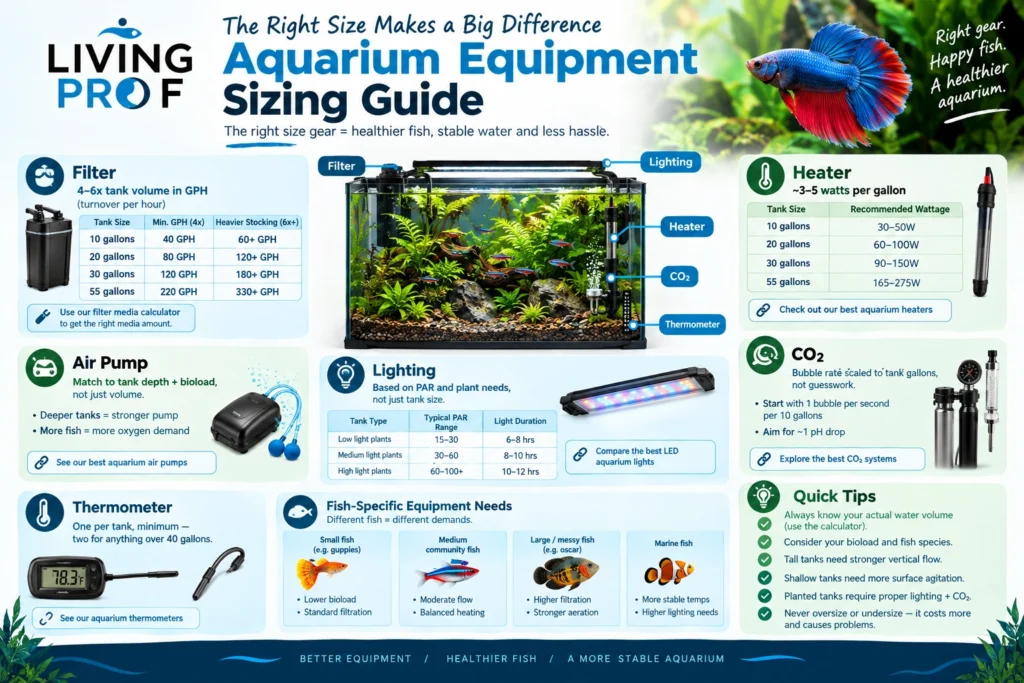
Aim for 5–10x tank turnover per hour. More flow equals more stability.
4. Water Parameters & Stability (They Notice Everything)
You think big fish are tough? Yeah… until you swing pH wildly.
Most monster fish prefer:
Temperature: 75–82°F
pH: 6.5–7.5
Ammonia: 0 ppm
Nitrite: 0 ppm
Nitrate: Under 40 ppm
Stability matters more than chasing exact numbers.
Water Change Routine
For heavy feeders:
30–50% weekly water change
Gravel vacuum deeply
Test water twice a week
I test often because giant fish don’t show stress early. They hide it. Then boom, health crash.
Ever noticed how they suddenly stop eating? That’s your warning sign.
5. Feeding Strategy: Protein, Variety, Control
Okay, feeding time is fun. Watching a giant fish strike food? Addictive.
But don’t turn feeding into chaos.
What to Feed
High-quality pellets (staple)
Frozen shrimp
Tilapia chunks
Earthworms
Occasional live food (rarely)
I avoid feeder goldfish. They carry parasites and lack nutrition. Not worth it.
Feeding Schedule
Juveniles: Daily
Adults: 3–4 times per week
Overfeeding causes fatty liver issues. Yes, fish get that too.
Expert trick:
Train your fish to eat pellets early. It saves money and improves health long term.
6. Tankmates: Who Survives the Room?
This part gets spicy.
Ask yourself: Can it fit in the mouth?
If yes, it becomes food.
Compatible options sometimes include:
Large Silver Dollars
Other similar-sized predators
Armored catfish (carefully chosen)
But personality matters. I kept two Oscars that acted like best friends. Then one day they decided they hated each other. Fish politics changes overnight.
Rules for Tankmates
Similar size
Similar aggression
Plenty of space
Add together when young
Never add a small fish later. That’s basically an expensive snack.
7. Long-Term Costs & Commitment (The Part Nobody Talks About)
Let’s be real for a sec. Monster fish cost money.
Monthly costs include:
Electricity (heaters + pumps)
Food
Water treatment
Replacement equipment
A 500-gallon tank setup can cost thousands upfront. And that’s before stocking.
IMO, you should only keep monster fish if you enjoy maintenance. If you hate water changes, this hobby will test your patience hard.
Also think resale. Giant fish are harder to rehome. Plan long term.
8. Health Monitoring & Common Problems
Big fish show small symptoms. You must pay attention.
Watch For:
Loss of appetite
Clamped fins
Red streaks
Labored breathing
Unusual floating
Most problems come from:
Poor water quality
Overfeeding
Incompatible tankmates
I quarantine new fish every time. I learned that lesson after introducing parasites once. Never again.
Daily check routine:
Observe swimming behavior
Check water temperature
Look at waste output
Confirm appetite
Simple steps. Huge difference.
Conclusion
Monster fish demand space, power, money, and patience. They also reward you with insane presence and personality. I still remember the first time my Arowana followed my hand across the tank. That moment made all the maintenance worth it.
So ask yourself again… are you ready for a fish that grows like it has big plans? If yes, plan properly and commit fully.
Big fish don’t forgive shortcuts.
Frequently Asked Questions
How big should a tank be for monster fish?
Most species require 300 gallons or more, depending on adult size.
Can I keep different giant fish together?
Yes, but size and temperament must match. Always monitor aggression.
How often should I feed exotic giant aquarium fish?
Juveniles eat daily. Adults eat 3–4 times weekly.
Are monster fish beginner friendly?
No. They require advanced filtration, space, and consistent maintenance.
Do giant fish recognize their owners?
Many species like Oscars and Arowanas show strong recognition behaviors.
If you’re serious about monster & exotic giant aquarium fish care, focus on tank size first. Everything else builds from there.