Key Takeaways
| Topic | Quick Answer |
|---|---|
| Tank Size | Minimum 20–30 gallons |
| Behavior | Semi-aggressive but manageable |
| Diet | Omnivore – pellets + frozen |
| Tank Mates | Peaceful reef fish only |
| Lifespan | 5–10+ years |
| Difficulty | Beginner-friendly but not “no effort” |
1. Clownfish Basics + Why People Keep Them
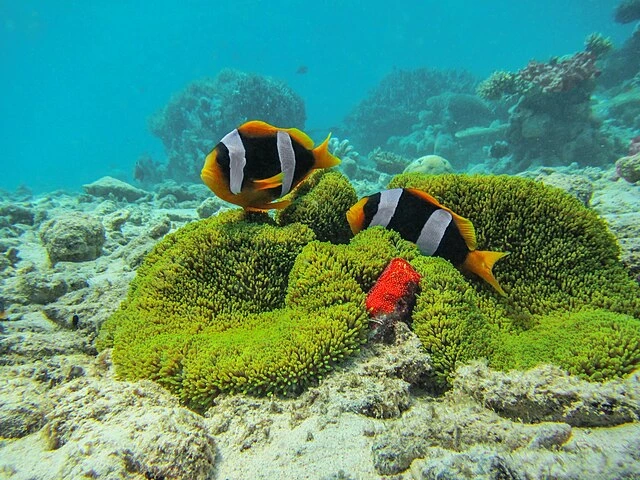
So lemme ask you something… why does literally everyone want clownfish first? It’s not just the orange stripes, right? Yeah okay, it kinda is.
Clownfish look simple, but they got personality packed in that tiny body. They don’t just swim randomly, they pick a spot and defend it like it’s a castle. Funny thing is, sometimes that “castle” is just a corner of the tank.
If you’ve seen setups in the marine exotic saltwater fish guide, you’ll notice clownfish always look comfortable. That’s not luck. They adapt well, which makes them beginner friendly… but not foolproof.
Quick basics:
- Small size, usually 3–4 inches
- Bright colors = easy to spot issues
- Hardy compared to other saltwater fish
I kept my first clownfish in a basic tank, and it still thrived. But did it thrive well? Eh… not really. Once I improved the setup, its behavior changed instantly.
Ever seen a fish suddenly “wake up” after a tank upgrade? Yeah, that was it.
2. Tank Setup & Size That Actually Works
Now here’s the part where people mess up… tank size. You might think 10 gallons works. Technically? Maybe. Practically? Nah.
I always say go 20–30 gallons minimum. Why? Stability. Saltwater tanks swing fast if they’re small.
You can kinda compare it with ideas from discus fish tank requirements. Bigger water volume = less stress. Same logic here, just saltwater version.
What your tank needs:
- Live rock for hiding
- Stable salinity (no guessing pls)
- Moderate flow, not too strong
I once tried keeping a clownfish in a smaller tank just to test it. It survived, sure. But it acted nervous, stayed hidden more. Bigger tank fixed that fast.
Simple tank checklist:
- 20–30 gallons minimum
- Live rock structures
- Stable temperature and salinity
Ask yourself… do you want a fish that hides, or one that actually acts like a clownfish?
3. Filtration, Flow & Water Stability
Saltwater fish don’t forgive mistakes. Clownfish forgive a bit, but not forever.
Filtration matters a lot here. You can’t just toss in any random filter and hope for magic.
What works best:
- Strong filter from best aquarium filters
- Protein skimmer (if possible)
- Regular water changes
I skipped a proper filter upgrade once… yeah, water got cloudy, algae showed up, clownfish looked annoyed. Yes, fish can look annoyed, don’t argue with me.
Flow matters too:
- Moderate water movement
- Avoid blasting them with current
Clownfish aren’t strong swimmers like some reef fish. Too much flow and they just struggle.
Stability checklist:
- Stable salinity
- Clean water
- Balanced flow
If you keep those steady, everything else becomes easier. If you don’t… well, you’ll be fixing problems weekly.
4. Lighting & Reef Environment
Lighting isn’t just about making your tank look cool, though yeah, it helps.
Clownfish don’t need intense lighting like corals, but if you plan a reef setup, you’ll need good lights.
Basic lighting setup:
- Moderate LED lighting
- Use something from best LED aquarium lights
- Keep consistent light cycles
I once ran lights randomly… turning them on and off whenever I felt like it. Bad idea. Fish got stressed, algae went wild.
Reef environment tips:
- Add live rock
- Maintain stable conditions
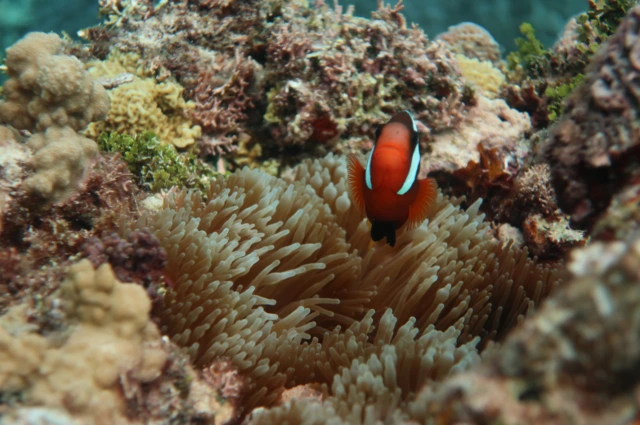
- Optional: anemone (not required btw)
People always ask… do clownfish need anemones? No. They like them, but they survive fine without one.
And honestly? Sometimes they ignore the anemone completely. Yeah… they do that.
5. Feeding Clownfish Properly
So what do clownfish eat? Everything… but not everything should be given.
Ideal diet:
- High-quality pellets
- Frozen foods (brine shrimp, mysis)
- Occasional flakes
If you’ve checked feeding logic in which food grows fish faster, same idea applies here. Balanced nutrition = better color + energy.
Feeding routine:
- Feed 1–2 times daily
- Small portions only
- Remove uneaten food
I overfed mine once. Thought I was being nice. Water got messy, fish got bloated. Lesson learned.
Clownfish always act hungry. Don’t trust that face.
6. Clownfish Behavior Explained
Ever watched a clownfish just… stare at you? Yeah, they do that. It’s not random.
Clownfish are territorial. They pick a spot and defend it like it’s their life’s purpose.
Common behaviors:
- Staying in one area
- Chasing other fish
- “Hosting” objects or corals
This kinda reminds me of patterns in angelfish behavior guide. Territory matters more than size.
I had one clownfish that guarded a tiny rock like it was gold. Any fish that came close? Instant chase.
What behavior tells you:
- Aggression = space issue
- Hiding = stress
- Hyperactivity = good health
Behavior isn’t random. It always tells you something… you just gotta notice it.
7. Tank Mates & Compatibility
Now the big question—what fish can live with clownfish?
Short answer… peaceful ones.
Good tank mates:
- Gobies
- Blennies
- Firefish
You can explore similar combos in breeding aquarium fish guide.
Avoid:
- Aggressive fish
- Very large species
- Fish that invade territory
I once added a slightly aggressive fish with clownfish. Thought it’d be fine. It wasn’t. Constant chasing.
Compatibility rules:
- Match temperament
- Match size
- Provide hiding spots
You break those rules… and you’ll see stress real quick.
8. Health Issues & Long-Term Care
Clownfish are hardy, but they still get sick. Don’t ignore small signs.
Common issues:
- Ich (white spots)
- Fungal infections
- Parasites
For parasites, tools like praziquantel guide help.
Prevention tips:
- Stable water
- Clean tank
- Proper diet
I’ve noticed something… most health issues come from bad water, not bad luck.
Long-term care:
- Maintain stable tank
- Feed properly
- Monitor behavior
Clownfish can live years if you do things right. If you don’t… problems show up fast.
Frequently Asked Questions
Do clownfish need anemones?
No. They like them, but they don’t need them.
Can clownfish live alone?
Yes. They do fine solo or in pairs.
How aggressive are they?
Mild to moderate. Depends on space and setup.
What size tank is best?
At least 20–30 gallons.
How often should I feed them?
Once or twice daily, small amounts