| Topic | Quick Answer |
|---|---|
| Color intensity | Depends on diet, genetics, and lighting |
| Breeding type | Egg-layers (annual & non-annual species) |
| Tank setup | Small tank, soft water, plants or spawning mops |
| Feeding | Live/frozen foods boost color & breeding |
| Difficulty | Easy–moderate (depends on species) |
| Lifespan | Some live 1–2 years (short, yeah kinda sad) |
| Best for | Hobbyists who enjoy breeding projects |
1. What Makes Killifish Colors So Wild?
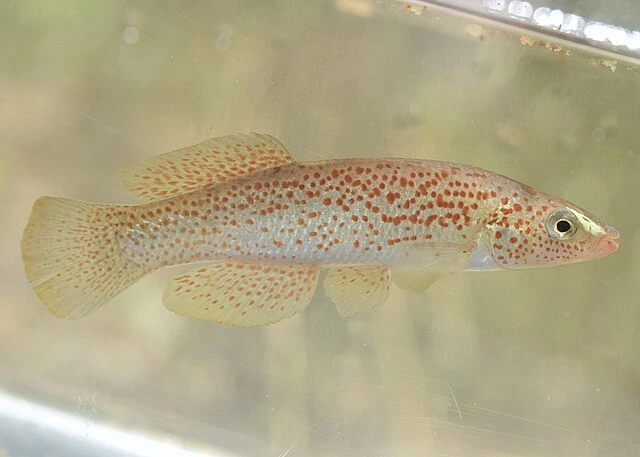
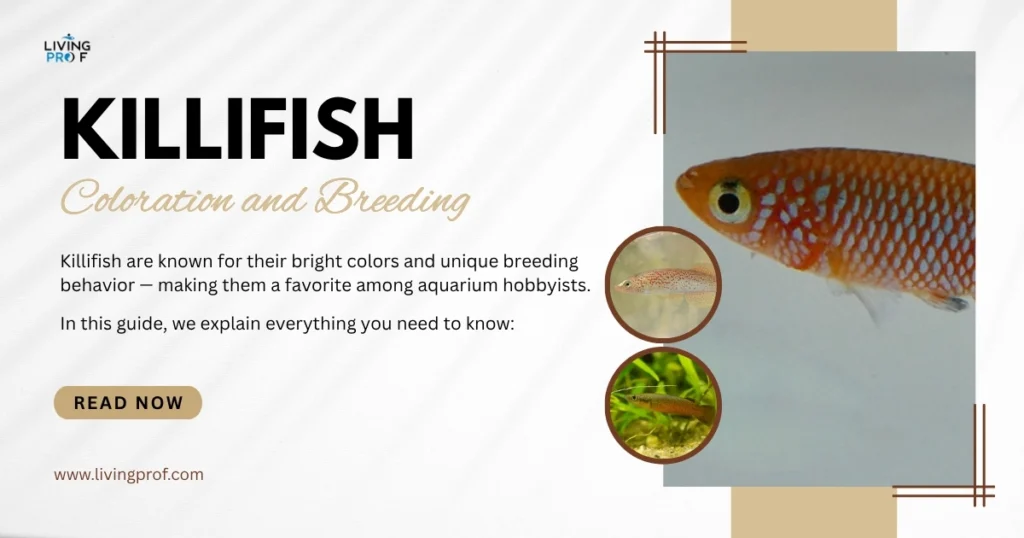
Ever stared at a killifish and thought, “why does this tiny thing look like it stole paint from everywhere?” yeah same here, I had that exact moment. Their colors don’t just happen randomly, genetics drives most of it, but food and lighting push it further, like turning the brightness slider up a bit too much.
So what actually boosts color? Diet. Simple. If you feed dull food, you get dull fish. I noticed mine went from kinda meh to actually popping after I switched to live foods. If you wanna see how diet changes fish growth and color, check this out → Which Food Grows Monster Fish Faster. It’s not just for monster fish, same logic applies.
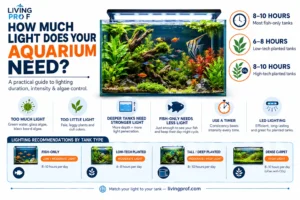
Lighting matters too, but don’t overthink it. Good LEDs help colors show better, they don’t magically create color. I used cheap lights once and thought my fish lost color, turns out…nah, it was just bad lighting lol. You can see proper lighting options here → Best LED Aquarium Lights Compared 2026 Buyer’s Guide.
Quick Color Boost Tips
- Feed live or frozen food regularly
- Keep stress low
- Use good LED lighting
- Maintain stable water
Ever wondered why some fish look insane in shops but dull at home? Stress + bad diet. That’s it.
2. Killifish Types and Breeding Styles
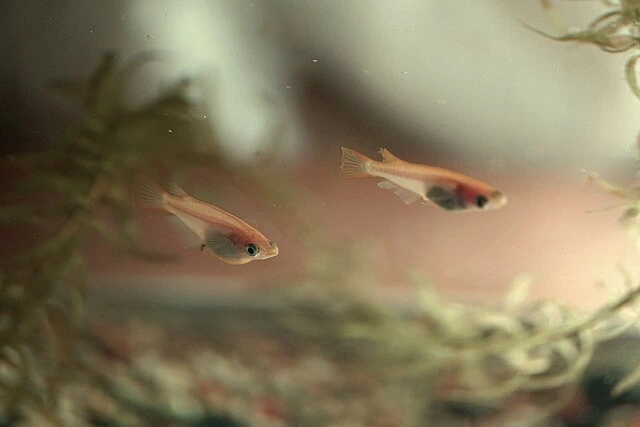
Now here’s where things get weird, but in a cool way. Killifish don’t all breed the same. Some lay eggs in water, others bury eggs in substrate and just leave them there.
You got two main types:
- Annual killifish – live in temporary pools, eggs survive dry periods
- Non-annual killifish – lay eggs in water, hatch faster
So which one is easier? IMO, non-annual. Annual ones need drying periods for eggs, and honestly, I messed that up more than once.
If you’ve bred guppies before, this will feel very different. Guppies just drop babies easily. If you want a refresher → Guppy Fish Care & Breeding.
Key Difference Table
| Type | Egg Location | Hatch Time |
|---|---|---|
| Annual | Buried in substrate | Weeks to months |
| Non-Annual | Water/plants | Days to weeks |
So yeah, killifish breeding feels like a mini project sometimes.
3. Tank Setup for Color and Breeding Success
Let me ask you something weird…why do people buy colorful fish and then put them in empty tanks? it makes no sense. Killifish love plants, cover, and calm water.
You don’t need a massive tank either. A 10–20 gallon works fine. I kept mine in a 15g, worked perfectly.
Must-Have Setup Items
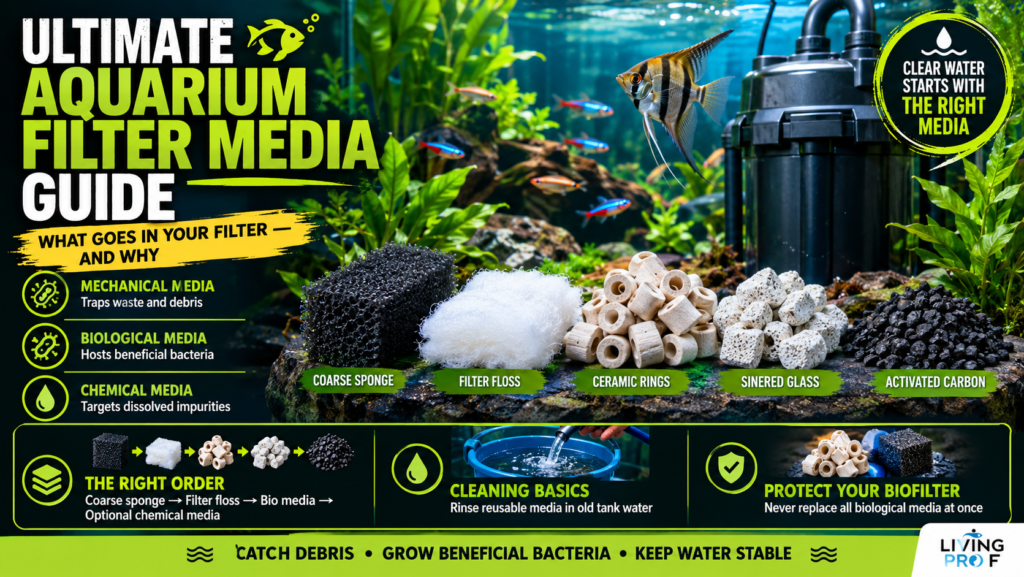
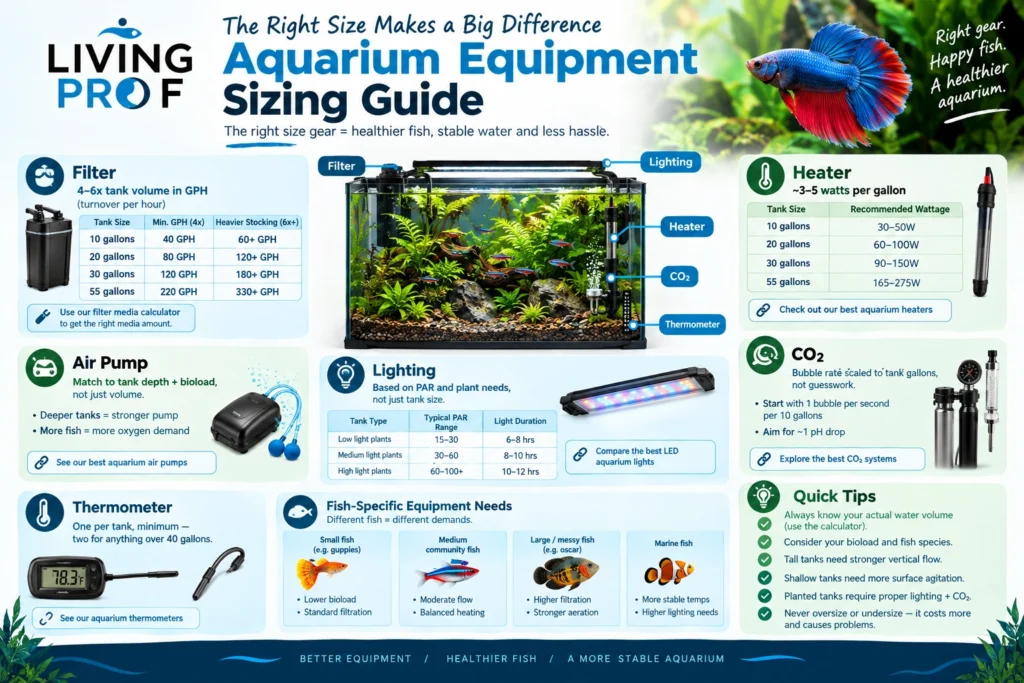
- Gentle filter → 10 Best Aquarium Filters for Freshwater & Reef Tanks
- Heater → 7 Best Aquarium Heaters (Tested & Reviewed)
- Plants or spawning mops
- Lid
I once left a tank open thinking it’ll be fine…yeah, it was not fine.
Keep flow low. Calm water helps reduce stress and improve breeding.
4. Water Parameters That Actually Matter
Do you need perfect water? nah. Do you need stable water? yes.
Killifish prefer:
- Temp: 22–26°C
- pH: 6.0–7.5
- Soft to moderate hardness
You can track temp using Aquarium Thermometers.
Why Stability Wins
- Sudden changes stress fish
- Stress reduces breeding
- Stress fades color
I used to chase perfect numbers, but stable conditions worked better for me.
5. Feeding for Bright Colors and Breeding
Food matters a lot here.
Killifish love live food. I drop in live daphnia and they react instantly.
Best Foods
- Live: brine shrimp, daphnia
- Frozen: bloodworms
- Dry: pellets
If you’ve kept bettas, feeding feels similar → Betta Fish Care Guide
Feeding Rules
- Feed small amounts, 1–2 times daily
- Avoid overfeeding
- Rotate foods
Ever noticed fish glow after diet changes? yeah, it’s real.
6. Step-by-Step Killifish Breeding Process
So how do you breed them without messing it up?
Steps
- Condition fish with good food
- Add spawning mop or substrate
- Let them lay eggs
- Remove eggs
- Incubate properly
For more basics → Breeding Aquarium Fish & Tank Companions
Egg care matters a lot. Annual eggs need drying, non-annual stay wet.
7. Common Mistakes (Yeah I Made These Too)
Let me save you some trouble.
Common Mistakes
- Overcleaning tanks
- Wrong tank mates
- Ignoring eggs
- Poor feeding
Disease can show up too. For parasites → Praziquantel for Fish
I cleaned a tank too much once, fish got stressed instantly.
8. Is Killifish Breeding Worth It?
Short answer, yes. Longer answer, depends on what you like.
If you enjoy watching eggs hatch and fry grow, you’ll like it.
Compared to harder fish like → Discus Fish Tank Requirements, killifish feel easier.
Pros
- Bright colors
- Interesting breeding
- Small tanks work
Cons
- Short lifespan
- Egg care needed
- Some species tricky
IMO, they’re a good middle ground.
FAQ – Killifish Coloration and Breeding
Do killifish need live food?
Yes, live food helps with color and breeding.
How long do eggs take to hatch?
Depends on species, from days to months.
Can beginners keep killifish?
Yes, start with non-annual types.
Why are my killifish losing color?
Check diet, stress, and lighting.
Do killifish need a heater?
Yes, stable temperature helps them stay healthy.