What Is Ich and Why Should You Care?
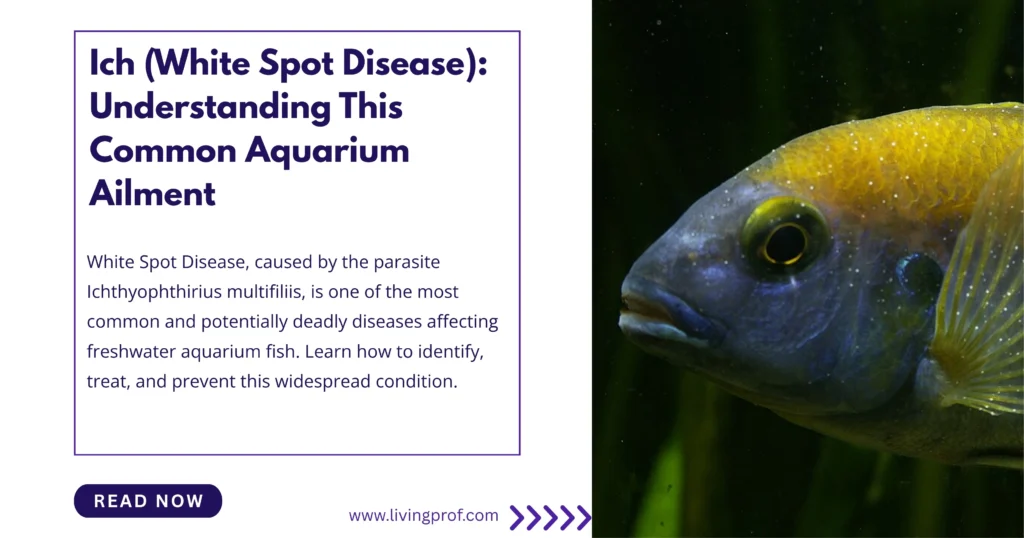
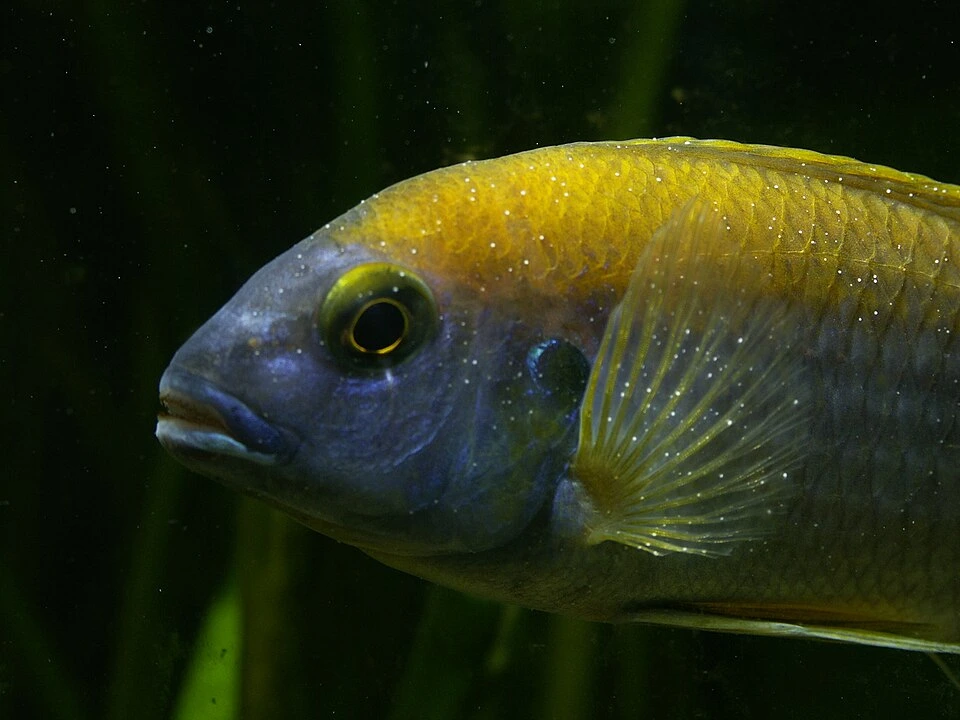
So your fish have tiny white spots on them — like someone sprinkled salt all over their bodies. That’s ich, and honestly, if you keep freshwater fish long enough, you will deal with it at some point. It’s basically the rite of passage nobody asked for.
Ich (Ichthyophthirius multifiliis, if you want the full mouthful) is a parasitic protozoan that burrows into the skin and gills of your fish. It looks like grains of white sand or small white pimples, and it’s genuinely one of the most common freshwater fish diseases you’ll come across. The good news? It’s very treatable — but you have to act fast.
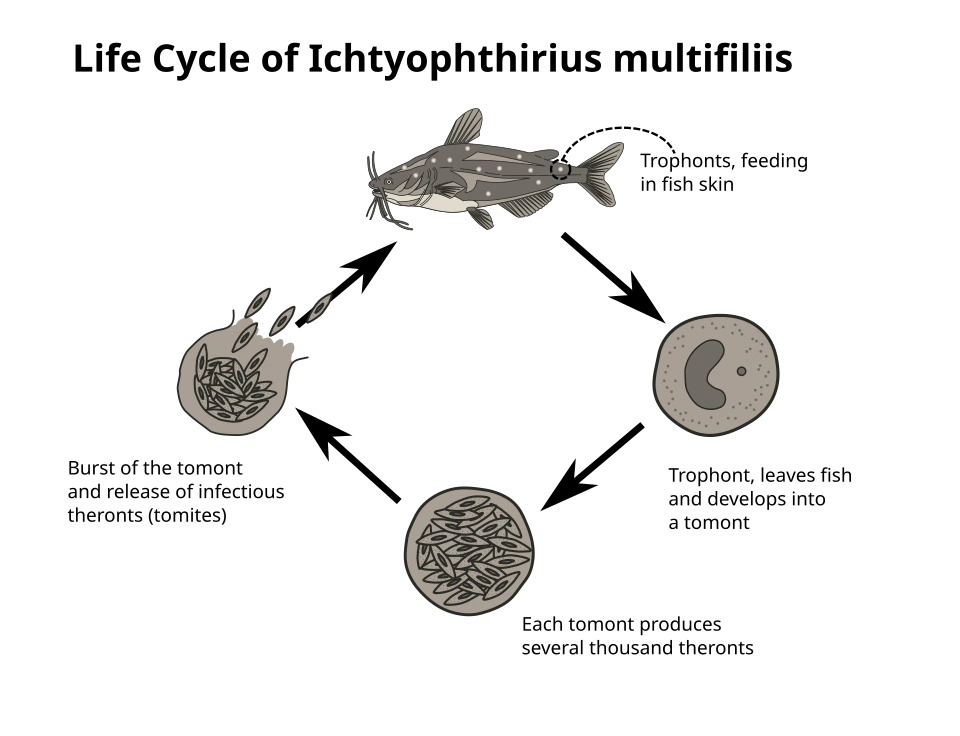
The parasite has a sneaky lifecycle. It spends part of its life ON your fish (the part you can see), then drops off, reproduces like mad on the substrate, and re-attaches. That’s the part people don’t realise — when you see spots, the tank is already full of the free-swimming stage. Fun times.
How to Spot Ich Early (Before It Gets Bad)
This is where experience really matters. I’ve seen people miss ich for a week because they only looked at their fish during feeding. Here’s what to actually watch for:
Visual signs:
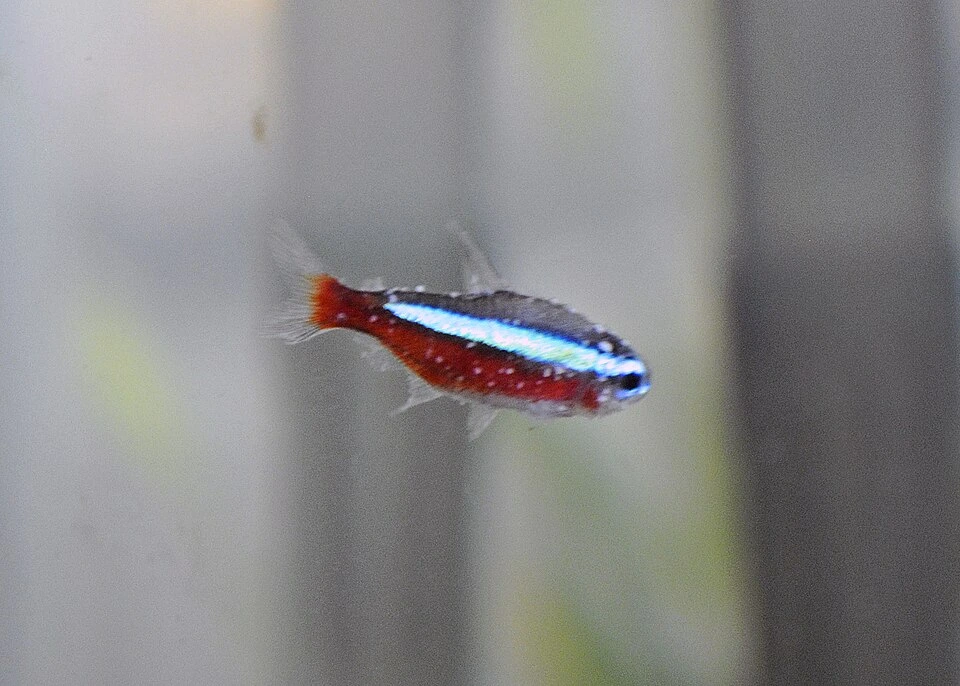
- White spots that look like grains of salt or sugar — particularly on fins and the body
- Spots that appear overnight in large numbers
- Fish rubbing or “flashing” against decor, gravel, or the glass
- Clamped fins
- Rapid gill movement (the fish looks like it’s panting)
Behavioral signs:
- Hiding more than normal
- Refusing food
- Staying near the surface or near the filter output
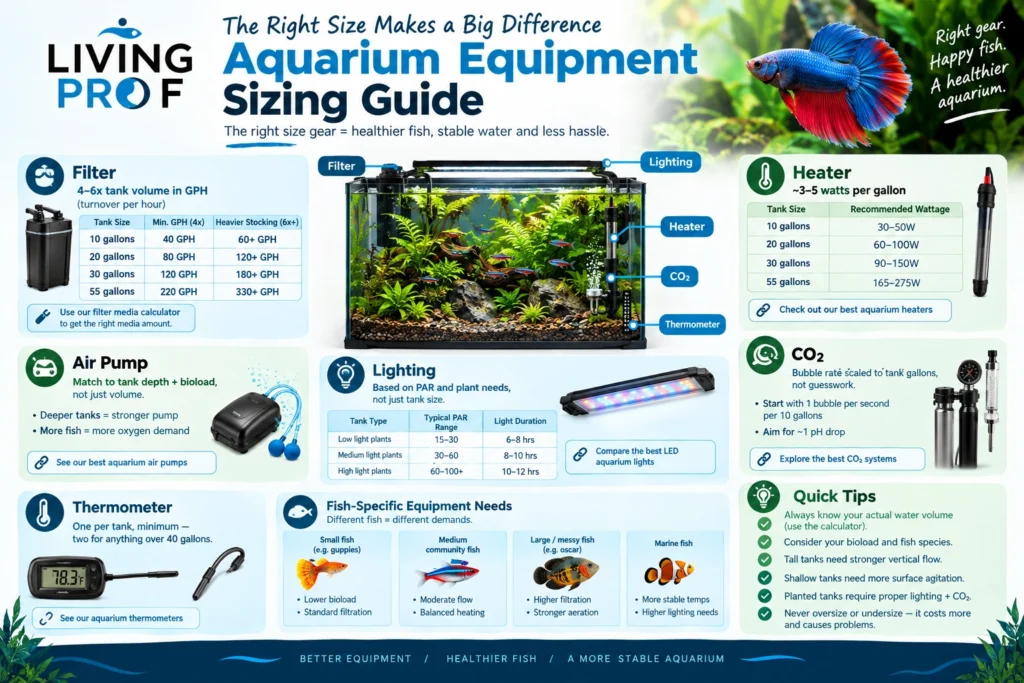
The gills are actually the most dangerous place for ich to attack — your fish can look relatively fine but be struggling to breathe. If you see laboured breathing before the spots even appear, that’s a red flag. Keep a proper aquarium thermometer in your tank at all times — temperature fluctuations are one of the biggest triggers for an ich outbreak, and you want to catch any drop immediately.
Ich tends to hit hardest when fish are stressed — new arrivals, a sudden temperature drop, poor water quality, or even a change in routine can tip the balance. Discus fish and other more sensitive species are particularly vulnerable, but honestly no fish is completely immune.
Understanding the Ich Life Cycle (This Is Why Treatment Timing Matters)
Most people just throw medicine in the tank and wonder why it’s not working. The reason? They don’t understand when ich is actually vulnerable.
The lifecycle has three stages:
| Stage | Name | What’s Happening | Vulnerable to Treatment? |
|---|---|---|---|
| Stage 1 | Trophont | Parasite is burrowed into fish skin | No — meds can’t reach it |
| Stage 2 | Tomont | Dropped off fish, encapsulated on substrate, dividing | No — protected by cyst |
| Stage 3 | Theront | Free-swimming, looking for a fish host | Yes — this is your window |
This is why treatment needs to run for at least 10–14 days. You’re not killing the ich you can see — you’re killing the free-swimming stage before it reattaches. Stopping treatment early is the number one mistake people make, and then they’re right back to square one two weeks later.
Temperature plays a massive role here. At 25°C (77°F), the cycle takes around 7–10 days. Raise it to 30°C (86°F) and you speed that cycle up to just 3–4 days — meaning the theronts hatch sooner and your treatment catches more of them. Always make sure your aquarium heater is reliable enough to hold a steady elevated temp during treatment.
Step-by-Step: How to Actually Treat Ich
Alright, let’s get into it. Here’s what you do, in order.
Step 1 — Confirm It’s Actually Ich
Before you dose anything, make sure you’re dealing with ich and not something else. Velvet disease (Oodinium) looks similar but the spots are finer and more golden. Lymphocystis causes cauliflower-like growths rather than uniform spots. Ich spots are always round, white, and roughly uniform in size — like tiny pearls.
Step 2 — Raise the Temperature Gradually
Bump the temperature up to 28–30°C (82–86°F) over 24–48 hours. Don’t just crank it overnight — that’s another stressor your fish don’t need right now. This speeds up the parasite lifecycle and makes treatment far more effective. Note: some fish like goldfish don’t handle high temps well, so for coldwater species keep it at the lower end and extend your treatment window.
Step 3 — Increase Aeration
Warmer water holds less oxygen. Add an air pump or increase surface agitation. Your fish are already stressed — the last thing you want is oxygen deprivation on top of a parasite infestation.
Step 4 — Choose Your Treatment Method
You’ve got options here. Here’s an honest breakdown:
Option A: Heat + Aquarium Salt
- Best for: Mild infections, scaleless fish sensitivity concerns, planted tanks
- Add 1–3 tablespoons of aquarium salt per 10 gallons
- Hold temp at 29–30°C for 10+ days
- Do daily 25% water changes, re-adding salt to compensate
Option B: Malachite Green / Formalin Medications
- Best for: Moderate to severe outbreaks
- Brands like API Super Ick Cure, Seachem Cupramine (copper-based), or Kordon Rid-Ich+
- Follow dosing on the label exactly — these are not “a little extra won’t hurt” situations
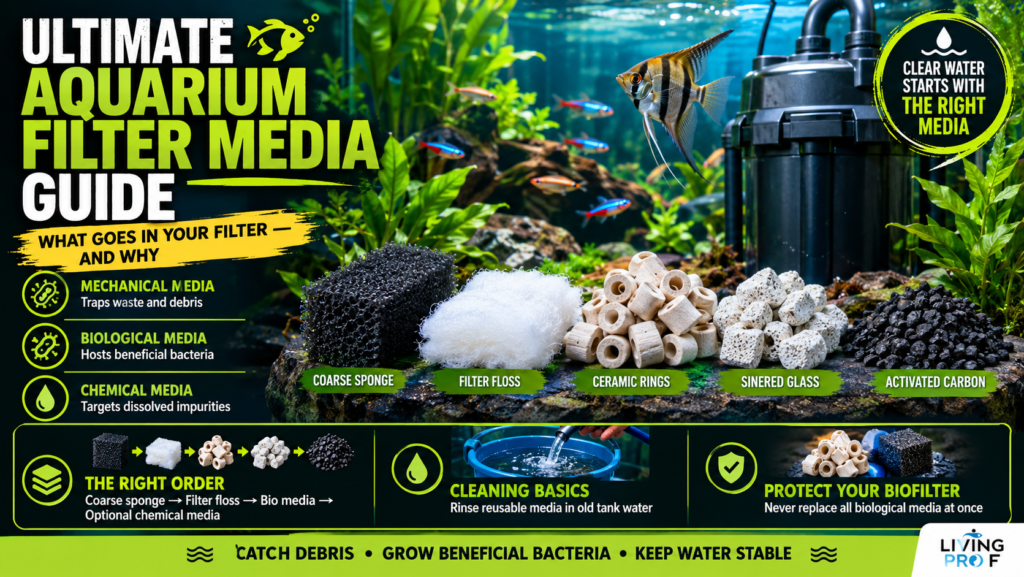
- Remove activated carbon from your filter before dosing — it absorbs the medication
- Avoid with scaleless fish (corydoras, loaches) or use half doses
Option C: Copper Treatment
- Best for: Serious outbreaks, particularly in fish-only tanks
- Most effective but also most toxic to invertebrates and plants
- Not suitable for planted tanks or tanks with snails, shrimp, etc.
- Needs a copper test kit to maintain therapeutic levels
Step 5 — Water Changes and Filter Maintenance
Do a 25–30% water change every 1–2 days during treatment. Gravel vac the substrate — you’re physically removing tomonts before they hatch. Keep your aquarium filter running, just remove the carbon media. After each water change, re-dose your medication accordingly.
Step 6 — Keep the Treatment Going
Run treatment for a minimum of 10 days after the last visible spot disappears. That’s not 10 days total — that’s 10 clear days at the end. I know it’s tempting to stop when the fish look fine, but the free-swimming theronts are still in the water and will reinfect.
What to Do With Sensitive Fish During Ich Treatment
This is where things get tricky, and honestly where a lot of people mess up — specially if you’ve got a community tank with mixed species.
Corydoras catfish and loaches are particularly sensitive to medications because they lack scales. With these fish, use half doses of malachite green and watch them closely. Salt is also problematic for some scaleless species — use it carefully or avoid it entirely.
Betta fish are generally tolerant of most ich medications but don’t handle very high temperatures brilliantly — keep it at 28°C rather than pushing to 30°C.
For tanks with guppies or angelfish, standard treatment works well. These are hardy enough to handle most approaches.
If you’re running a community tank, treat the whole tank — not just the affected fish. The parasite is already everywhere whether you can see it or not.
The Quarantine Tank: Your Best Defence Against Future Outbreaks
IMO, the single biggest mistake fishkeepers make is not having a quarantine tank. It doesn’t need to be fancy — a bare 20L tank with a sponge filter and a heater is enough. Every new fish should go in there for 2–4 weeks before entering your display tank.
Ich is almost always introduced through new fish or new plants. Even fish that look perfectly healthy at the store can be carrying early-stage infections. A quarantine period lets you catch the problem before it spreads to your whole tank — and if you do see spots, you can treat a small tank with much less medication and far less stress.
Use your fish tank volume calculator to work out accurate dosing for both your quarantine and main tank — getting the volume wrong means under-dosing, which achieves nothing, or over-dosing, which can kill your fish.
Keep a dedicated set of equipment (nets, buckets, siphons) for the quarantine tank and don’t cross-contaminate with your display tank. Ich can survive on wet equipment for a surprisingly long time.
Common Mistakes That Make Ich Worse
Let me save you some pain here — these are the things I’ve seen (and done, not gonna lie) that turn a manageable outbreak into a nightmare:
- Stopping treatment too early — the most common one by far. Fish look fine, you stop dosing. Three weeks later, round two.
- Not removing carbon from the filter — your medication gets absorbed within hours and does nothing
- Ignoring temperature — cold water slows the lifecycle down, meaning theronts hang around longer and treatment takes weeks
- Treating only the visible fish — if one fish has ich, every fish in the tank is exposed
- Overdosing scaleless fish — be careful with corydoras, plecos, loaches
- Adding new fish during treatment — obviously don’t do this
- Not doing water changes — you need to physically remove parasites from the substrate, not just dose the water column
Also, if your fish are constantly getting ich, look at the root cause. Chronic outbreaks usually point to an underlying issue — consistently poor water quality, a tank that’s too cold, inadequate filtration, or persistent stress from overcrowding or incompatible tank mates. Oscar fish for example are more prone to stress-related illness when kept in tanks that are too small for them.
After Treatment: Restoring Your Tank to Full Health
Once you’ve cleared the ich and run your full treatment period, there are a few things worth doing to get your tank back in good shape.
- Do a large water change (40–50%) to dilute residual medication
- Reintroduce activated carbon to your filter to remove the last traces of meds
- Check water parameters — ammonia, nitrite, nitrate, pH. Medication can stress your biological filter
- Gradually return temperature to normal over 24–48 hours
- Watch your fish closely for another week or two, just to be sure
If you lost biological filtration during treatment (some meds can hurt beneficial bacteria), you may see a mini-cycle. Test your water daily and do small water changes as needed until things stabilise.
Going forward, consider keeping a reliable automatic fish feeder so feeding stays consistent even when you’re busy — irregular feeding patterns add stress, and stressed fish are more vulnerable to every kind of disease.
Frequently Asked Questions
Can ich kill fish overnight? In severe cases with heavy gill involvement, yes — fish can decline very quickly once the gills are heavily infected. That’s why you can’t wait once you see symptoms.
Is ich contagious to other tanks? Yes. Wet equipment, plants, and even tank water can carry the free-swimming stage. Always use separate equipment per tank.
Can I use table salt to treat ich? No — table salt contains iodine and anti-caking agents that are toxic to fish. Only use proper aquarium salt (sodium chloride with no additives).
Will ich go away on its own? No. The parasite reproduces exponentially in a tank. Without treatment it will keep cycling and the fish load increases with each generation.
My fish survived ich — are they immune now? They develop some immunity, but it’s not permanent and it’s not guaranteed. Don’t rely on it.
Can plants get ich? Ich can’t infect plants, but plants can carry the free-swimming theront stage in the water they’re sitting in. Always quarantine new plants, or dip them before adding to your tank.
Do I need to tear down my whole tank? Almost never. Full treatment in the display tank while it’s running is almost always sufficient. A full breakdown is overkill and more stressful for your fish.
How do I know when ich is fully gone? No visible spots AND 10 days of clear observation after the last spot disappeared, while maintaining treatment conditions. Don’t eyeball it — count the days.
Can ich survive without fish? The trophont and tomont stages can survive briefly without a host, but the theront (free-swimming) stage needs a fish within 24–48 hours at warm temps or it dies. Running a tank fallow (fishless) at high temperature for 4–6 weeks will eradicate ich.
What if the ich keeps coming back? Look at your water quality, stocking levels, temperature stability, and whether you’re introducing new fish without quarantine. Repeat ich is almost always a husbandry issue rather than a treatment failure.