1. Red-Eared Slider Basics + Why People Still Pick Them
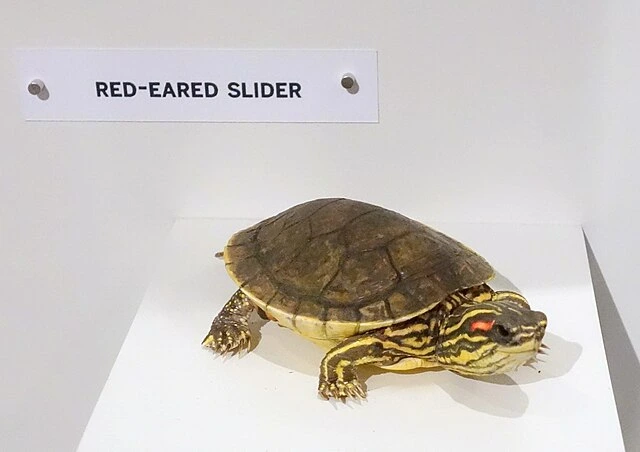
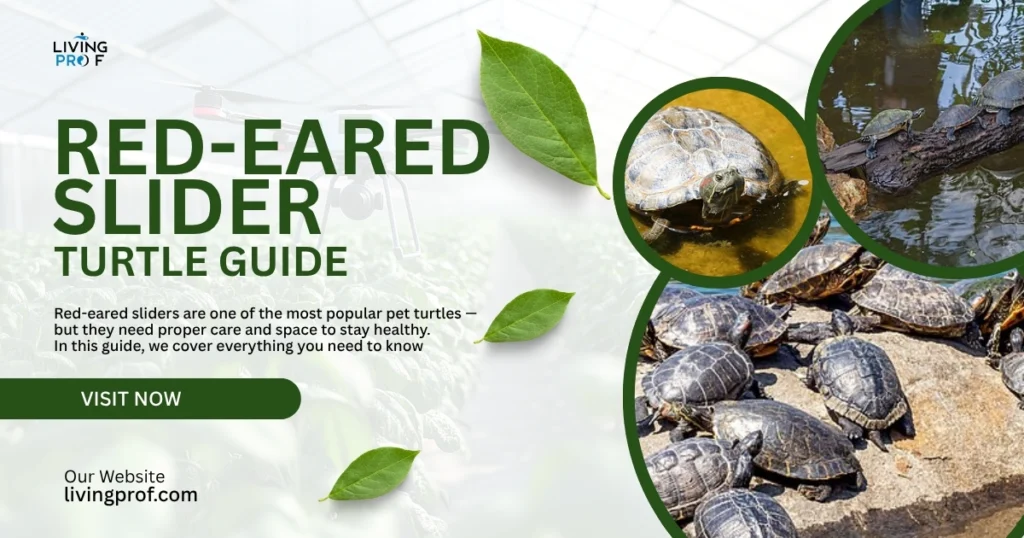
So first question, why do people still buy red-eared sliders even when they’re kinda… high maintenance? Good question honestly. I asked the same thing when I got mine years ago, and yeah, I underestimated them a bit.
They look small at first, cute even. But then they grow. And grow. And then you suddenly own a mini dinosaur that stares at you like you owe it money.
Now here’s the thing—these turtles are popular for a reason. They’re hardy. They adapt well. They don’t panic at every tiny change like some reptiles do. Compared to stuff in the bearded dragon care guide, sliders feel less fragile, but also… less forgiving with water quality. Weird trade-off, right?
Quick reality check:
- They live long. Like really long.
- They need water AND land setup
- They eat a lot… and make a mess
Ever noticed how beginners assume turtles are low effort? Yeah… not really. You don’t just drop them in a bowl and hope for the best.
I once kept one in a small tank early on, and it just sat there, bored and kinda inactive. I upgraded the tank later and boom—completely different animal. Active, curious, always swimming like it suddenly remembered it had legs.
So yeah, they aren’t “easy pets,” but they’re not impossible either. You just need to treat them properly from day one, or you’ll end up fixing problems later.
2. Tank Size Reality Check (Most People Get This Wrong)
Let me ask you something—how big do you think a turtle tank should be? 20 gallons? 40 maybe?
Yeah… nope.
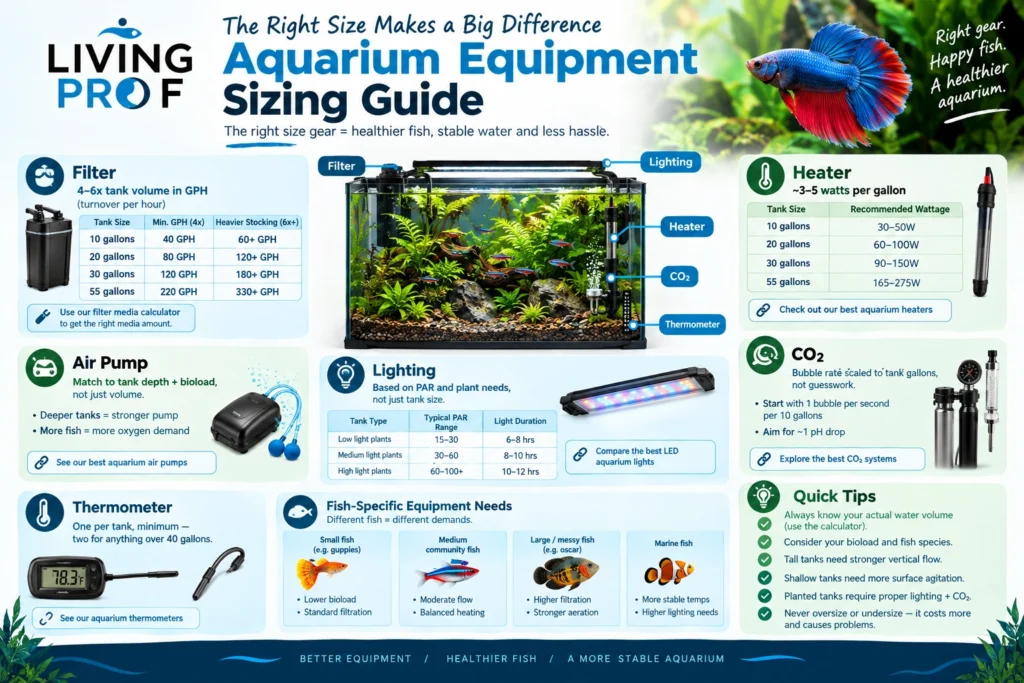
A full-grown red-eared slider needs at least 75 gallons, and honestly, I’d push closer to 100 if you want it to actually move properly. People underestimate this like crazy, and I get it… pet stores don’t exactly shout the truth.
If you’ve ever read the discus fish tank requirements, you already know space matters more than people think. Same deal here, just with more splashing.
Why big tanks matter:
- More water = stable conditions
- More space = natural swimming behavior
- Less waste buildup (trust me, turtles are messy)
I once tried to “make do” with a smaller tank. Big mistake. Water got dirty fast, turtle got lazy, and I spent more time cleaning than enjoying it. Not fun.
Simple tank rule:
- 10 gallons per inch of shell length
Sounds extreme? It kinda is… but it works.
And yeah, they outgrow tanks faster than you expect. One day they’re small, next thing you know they’re bumping into the glass like “uh… more room pls?”
3. Water Quality, Filters & Heating Setup
Alright, here’s where things get real. You don’t manage water well, everything falls apart. Simple as that.
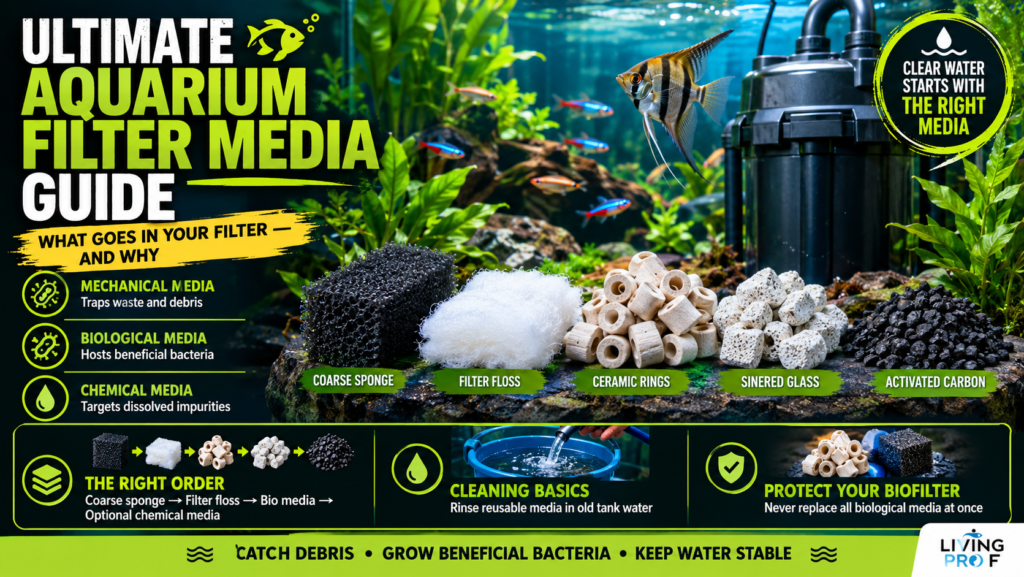
Red-eared sliders produce waste like they’re on a mission. So your filter? It needs to be stronger than what you’d use for fish.
What I recommend:
- Use a filter rated for 2–3x your tank size
- Go for something from best aquarium filters
- Don’t cheap out here… seriously
I tried a basic filter once. It lasted like a week before the water turned cloudy. Lesson learned.
Heating matters too:
- Water temp: 24–28°C
- Use a proper heater from aquarium heaters guide
Ever seen a turtle slow down for no reason? Cold water usually. They don’t complain, they just… stop doing stuff.
Quick checklist:
- Strong filtration
- Weekly partial water changes
- Heater with stable temp
You skip these, your turtle pays for it. Pretty blunt, but true.
4. Lighting & Basking Area Setup
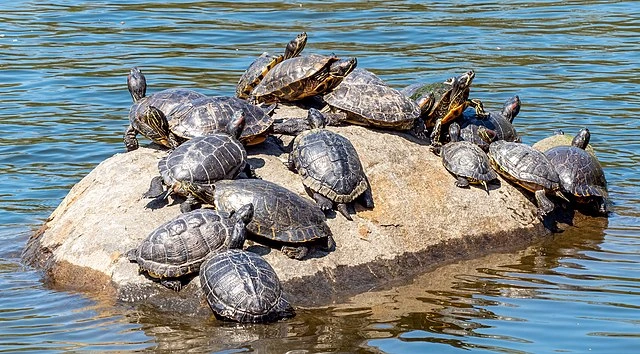
Now this part… people mess it up more than they admit.
Turtles need UVB light. Not optional. Without it, their shells soften, bones weaken, and things go downhill fast.
Basking basics:
- Dry platform above water
- Heat lamp + UVB light
- Temp: 32–35°C basking area
I once had a setup where the basking spot wasn’t warm enough. Turtle just avoided it completely. Fixed the heat… suddenly it lived up there half the day.
Funny how that works.
Using good lighting like ones from best LED aquarium lights helps, but UVB is the real key.
Signs your setup is wrong:
- Turtle never basks
- Shell looks dull or soft
- Constant hiding
Ever wondered why some turtles just sit underwater all day? Usually lighting issue, not personality.
5. Feeding Guide – What They Actually Eat
So what do you feed them? Just pellets? Nah… that’s like eating instant noodles forever.
Balanced diet:
- Pellets (main diet)
- Leafy greens (lettuce, spinach)
- Protein (insects, small fish occasionally)
I’ve tested different feeding styles, and honestly, variety makes a huge difference. More active turtle, better shell growth, less weird behavior.
If you’ve seen feeding strategies in which food grows monster fish faster, same idea applies—nutrition affects growth directly.
Feeding tips:
- Feed daily (young turtles)
- Feed every 2–3 days (adults)
- Don’t overfeed… they will beg
And yeah, they always act hungry. Always. Don’t fall for it.
6. Behavior, Personality & Common Misreads
People think turtles are boring. That’s honestly kinda funny.
They’re curious. They recognize movement. Some even follow you around the tank like you’re a food dispenser.
Ever tapped the glass and had them react? Yeah… they notice you.
But here’s the thing—people misread their behavior a lot.
Common misunderstandings:
- Hiding = stress or bad setup
- Aggression = space issues
- Laziness = temperature problem
Similar to patterns in angelfish behavior guide, environment shapes behavior a lot.
I had one turtle that seemed “lazy.” Turned out water was too cold. Fixed it… suddenly it became hyper.
So yeah, behavior tells you everything… if you actually pay attention.
7. Health Problems & Prevention
Let me ask—what’s the biggest mistake turtle owners make? They wait too long to act.
Common issues:
- Shell rot
- Respiratory infections
- Parasites
Most of these come from poor setup. Dirty water, wrong temp, bad diet.
For parasites, stuff like praziquantel guide can help, but prevention matters more.
Prevention checklist:
- Clean water
- Proper heat
- Balanced diet
You keep these right, problems rarely show up.
Ignore them… and yeah, vet visits happen.
8. Long-Term Care & Growth Expectations
Here’s the part people don’t think about enough.
These turtles live decades. Not months. Not a couple years. Decades.
I’ve seen people give them away after a few years because they got “too big.” That’s avoidable if you plan early.
If you’ve read the Sri Lankan black turtle guide, you already know turtles need commitment. Same story here.
Growth expectations:
- Hatchling → small but fast growth
- Juvenile → active and hungry
- Adult → large, stable, needs space
And yeah, they don’t stop needing care just because they’re older.
Frequently Asked Questions
How often should I clean the tank?
Do partial water changes weekly. Full clean only when needed.
Can I keep multiple turtles together?
You can… but watch for aggression. Space matters a lot.
Do they need a filter?
Yes. Not optional. Strong filter only.
What temperature should the water be?
Keep it around 24–28°C.
How long do they live?
Usually 20–30 years if you care for them properly.
Final Thoughts
So yeah… red-eared sliders aren’t “easy,” but they aren’t impossible either. You just need to respect their needs from day one.
Ask yourself—do you want a long-term pet that actually interacts in its own weird way? If yes, this turtle fits.
If not… well, maybe rethink it before buying one.