Cloudy water, a funky smell, and fish hovering near the surface. I’ve seen that combo in dozens of tanks, and bad filter media causes it way more often than people think. The fix usually takes one afternoon.
This guide covers every media type, the right stacking order, and when to clean or swap each one. I’ll also share the mistakes I made, so you can skip them. 🙂
Key Takeaways
| Question | Short answer |
|---|---|
| How many media types exist? | Three: mechanical, biological, chemical |
| Which one matters most? | Biological. It holds the bacteria that process ammonia |
| What order do I stack them? | Mechanical, then biological, then chemical |
| How often do I rinse sponges? | Every 2 to 4 weeks, in old tank water |
| Do I need carbon? | No. Most tanks run fine without it |
| What size filter do I need? | Rated for at least 1.5x your tank volume |
What Aquarium Filter Media Does and Why It Matters
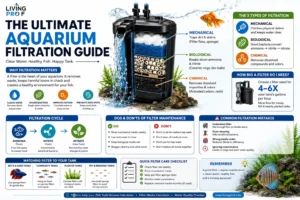
Filter media is the material inside your filter that cleans the water. Water flows through it, and the media traps dirt, grows bacteria, or pulls out dissolved stuff. The filter box is just a container. The media does the real work.
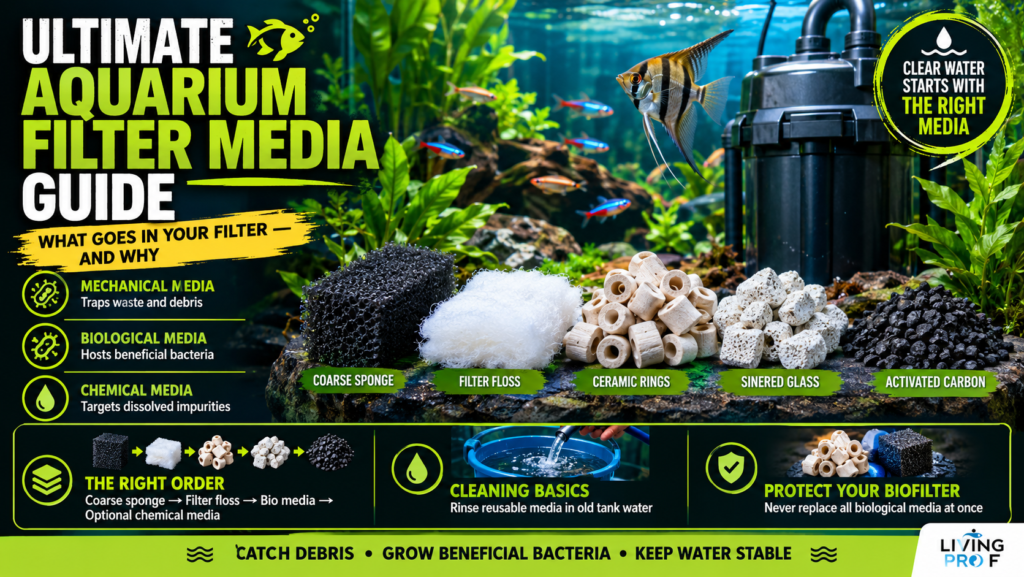
Every tank needs three jobs done:
- Mechanical: catches fish waste, uneaten food, and plant bits
- Biological: houses bacteria that turn toxic ammonia into nitrite, then into nitrate
- Chemical: removes tannins, odors, and medication
I think of it like a kitchen. Mechanical media is the strainer. Biological media is the stove that does the cooking. Chemical media is the spice cabinet you open once in a while. Most beginners buy a filter and never look inside it. I did the same in my first year, and I lost a pair of platies because of it.
Why does this matter so much? Fish make ammonia all day, and ammonia kills them. The bacteria living on your media stop that from happening. No bacteria means no safe tank, simple as that.
How Much Media Does Your Tank Need?
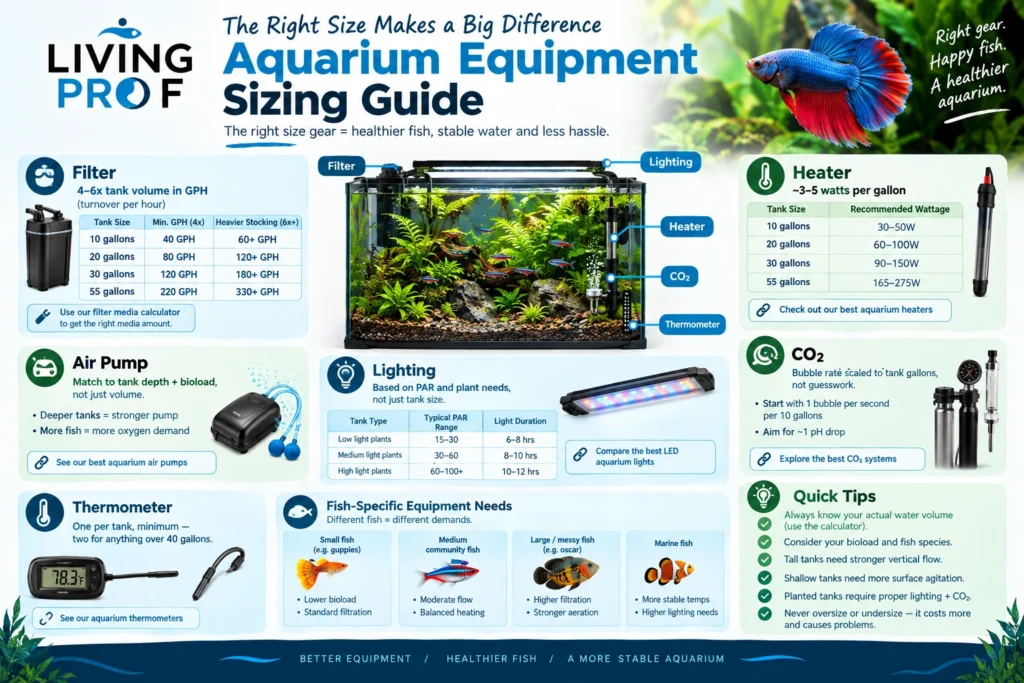
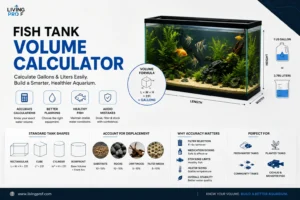
Start with your real water volume. Decorations and substrate take up space, so the number on the box is usually wrong. Use the fish tank volume calculator to get an honest figure. Then browse the 10 best aquarium filters for freshwater and reef tanks and pick a unit with plenty of media space.
My rule: buy a filter rated for at least 1.5 times your tank volume. A 20 gallon tank gets a filter rated for 30 gallons or more. Extra media holds extra bacteria, and extra bacteria gives you a safety margin when something goes wrong. The tank capacity and equipment guide shows how to match every piece of gear to your tank size.
Still choosing equipment? LivingProf has guides for filters, heaters, lights, and more.
Mechanical Filter Media: Sponges, Floss and Pads
Mechanical media catches solid waste before it rots in your water. It comes in a few forms, and each one has a job.
Types of Mechanical Media
- Foam sponges: come in coarse, medium, and fine grades, and last for years
- Filter floss (polyester): catches tiny particles and gives crystal clear water
- Filter pads: flat sheets you cut to fit, usually cheap
- Pre-filter sponges: slip over the intake and protect shrimp and baby fish
Sponges are my favorite. A coarse sponge costs a few dollars, lasts alot longer than disposable cartridges, and grows bacteria on its surface too. That makes it double duty. I ran the same sponge for four years in a 40 gallon tank, and it still worked fine.
Floss gets dirty fast. That’s the point, but it means you swap it every 2 to 3 weeks. Leave it too long and it clogs, slows your flow, and traps rotting gunk. Ever pulled out a floss pad that smelled like a swamp? Yeah, don’t wait that long.
| Media | Pore size | Best use |
|---|---|---|
| Coarse sponge | Large | Messy fish like cichlids |
| Medium sponge | Medium | General community tanks |
| Fine sponge | Small | Shrimp tanks and fry |
| Polishing floss | Very fine | Final stage for clear water |
Match the Media to Your Fish
Messy fish need coarser media. If you keep an Oscar, read the Oscar fish size and growth guide to see how much waste one adult makes. It’s a lot. A fine sponge on an Oscar tank clogs in days. Owners of really big species should also check the monster exotic giant aquarium fish care guide before buying any filter.
Flow rate matters too. A clogged mechanical stage slows the whole filter, and slow flow means less oxygen. Running an air-driven sponge filter? A quiet pump makes life easier, so see the best aquarium air pumps.
One last tip. Put mechanical media at the start of the water path. It protects everything after it from clogging.
Biological Filter Media: Ceramic Rings, Sintered Glass and Bio Balls
This is the most important section in the guide, so read it twice. Biological media gives bacteria a home. Those bacteria keep your fish alive.
Every surface in your tank grows some bacteria. Biological media just packs way more surface area into a small space. More surface means more bacteria, and more bacteria means more waste processed.
Common Biological Media
- Ceramic rings: cheap, reliable, and easy to find
- Sintered glass (Seachem Matrix, Eheim Substrat Pro): very porous, holds more bacteria than rings
- Bio balls: plastic balls that work best in wet/dry systems
- Lava rock: natural, rough, and budget friendly
- Foam blocks: double as mechanical media
I use sintered glass in heavy fish load tanks and ceramic rings in lighter ones. Both work. The pricey option isn’t always better, IMO. A big pile of cheap ceramic rings beats a tiny cup of fancy media.
Here’s the big rule: never replace all your biological media at once. Bacteria need 4 to 6 weeks to build up. Throw everything out and your tank cycles again, with ammonia spikes included. I learned this when I “cleaned” a filter under the tap and killed the whole colony. Chlorine wipes out bacteria fast.
How Much Biological Media Is Enough?
Skip the guessing. The filter media calculator gives you a number based on your tank. As a rough starting point, use about 1 liter of media per 100 liters of water, then add more for heavy stocking.
Temperature changes how well bacteria work. They slow down in cold water and speed up in warm water. A steady temperature keeps them happy, so a reliable heater helps. Check the 7 best aquarium heaters tested and reviewed if yours swings up and down. Then confirm the temperature with one of the aquarium thermometers we recommend.
Bacteria also breathe. Water must flow through the media all the time. If your filter stops for more than a few hours, the colony starts dying. During a power cut, pull the media out and keep it submerged in a bucket of tank water.
Upgrading to a new filter? Move the old media into the new one and leave it there for at least a month. The old colony keeps working while the new media builds its own.
Chemical Filter Media: Carbon, Purigen, Zeolite and Resin
Chemical media pulls dissolved stuff out of the water. You don’t need it all the time. Most tanks run fine with only mechanical and biological media.
When Chemical Media Helps
- Water looks yellow from tannins (driftwood causes this)
- A strange smell hangs around the tank
- You need to remove medication after a treatment
- Ammonia spikes in an emergency
| Media | What it removes | How long it lasts |
|---|---|---|
| Activated carbon | Odors, yellow water, some medications | 3 to 4 weeks |
| Purigen | Organic waste, yellowing | Reusable (recharge with bleach) |
| Zeolite | Ammonia | 2 to 4 weeks, rechargeable with salt |
| Phosphate remover | Phosphate (algae food) | 4 to 6 weeks |
| Peat | Softens water, adds tannins | About 4 weeks |
Carbon gets oversold. Companies stuff it in every cartridge, yet it stops working after a few weeks. Then it sits there holding old waste, and some of that can leak back into the tank. I quit using carbon full time about ten years ago, and my water got no worse.
Purigen impressed me more. It turns from white to brown as it fills up, so you can see when it needs a recharge. Soak it in diluted bleach, rinse it well, and dose with dechlorinator. It works like new.
Chemical Media and Medication
Take carbon out before you add medication. Carbon absorbs the drug and the treatment fails. Treating parasites with something like praziquantel? Read the praziquantel for fish guide first for dose and timing. Put the carbon back only after the treatment ends.
Not sure what’s making your fish sick? The common freshwater fish diseases guide helps you spot symptoms early.
Planted tanks need extra care. Some chemical media strips nutrients your plants want. If you run CO2 and fertilizer, look at the best CO2 systems for planted aquariums and ask yourself if your chemical media fights your setup.
My personal rule: treat chemical media like a tool, not a habit. Add it when a problem shows up. Pull it out when the problem ends.
How to Layer Filter Media in the Right Order
Order matters a lot. Water should meet the coarse stuff first and the fine stuff last. Mix it up and your filter clogs inside a week.
The Correct Order
- Coarse sponge or pre-filter: catches big debris
- Medium or fine sponge: catches smaller particles
- Biological media: ceramic rings or sintered glass
- Chemical media (optional): carbon or Purigen in a mesh bag
- Polishing floss: a thin layer at the end for clearer water
Canisters often have stacked trays. Hang-on-back units usually have one slot. In my hang-on-back filters, I cut the factory cartridge open, remove the carbon, and stuff the pouch with ceramic rings. It works great and saves money every month.
| Filter type | Media space | Best for |
|---|---|---|
| Sponge filter | Low | Small tanks, fry, shrimp |
| Hang-on-back | Medium | 10 to 55 gallon tanks |
| Canister | High | 40 gallons and up |
| Sump | Very high | Large freshwater or reef tanks |
The best aquarium filters for freshwater and reef tanks breaks down which model suits each tank size.
Layering Mistakes to Avoid
Don’t pack media too tight. Water takes the easiest path, so a cramped filter sends water around the media instead of through it. Leave small gaps.
Use fine mesh media bags. Loose ceramic rings drop into the impeller and jam it, which gets annoying fast. A cheap bag fixes that.
Also check the flow direction. Some canisters push water up from the bottom, and others push it down from the top. Read your manual before you stack anything, because the “first” layer depends on the direction.
Running two filters on one tank? Split the biological media between them. If one filter dies, half your bacteria survives. It’s the cheapest insurance I know. Seriously, do it.
Best Filter Media Setups by Tank Type
Different fish need different setups. A betta tank and an Oscar tank have nothing in common, so don’t copy one setup across every tank.
Betta Tanks (5 to 10 Gallons)
Bettas hate strong flow. Use a sponge filter with a gentle air pump. One sponge handles mechanical and biological work together. The betta fish care guide covers the full tank setup.
Community Tanks (20 to 55 Gallons)
Use a hang-on-back or small canister. Stack a medium sponge, ceramic rings, and a thin layer of floss. Peaceful species do well here, and the best freshwater community fish combinations article lists good pairings.
Guppy and Livebearer Tanks
Guppies breed fast, and tiny fry get sucked into intakes. Put a pre-filter sponge over the intake. The guppy fish care and breeding guide covers the rest.
Corydoras and Bottom Dwellers
These fish dig through the substrate and stir up waste. Extra mechanical media helps a lot. Read the corydoras catfish care guide for tank and feeding tips.
Angelfish and Discus Tanks
Both species want clean, warm water and gentle flow. Run a big canister with lots of biological media and do large water changes. The angelfish habitat and behavior guide and the discus fish tank requirements explain the details.
Saltwater and Coldwater Tanks
Saltwater tanks use the same media types. Reef keepers often add phosphate remover and a protein skimmer. Read the marine and saltwater fish reef care guide for specifics. Coldwater tanks need big mechanical capacity because goldfish make a ton of waste, and the coldwater and subtropical fish care tips cover year-round care.
| Tank | Filter | Main media | Skip |
|---|---|---|---|
| Betta | Sponge | Foam sponge | Strong flow |
| Community | HOB or canister | Sponge + ceramic | Heavy carbon |
| Guppy | HOB + pre-filter | Sponge | Open intake |
| Discus | Canister | Sintered glass | Cheap cartridges |
| Planted | Canister | Sponge + bio | Phosphate remover |
Browse more species and tank ideas in the aquarium fish section.
How and When to Clean or Replace Filter Media
Cleaning sounds easy. Yet this is where most people wreck their filters. Rinse the wrong way and you kill the bacteria you spent weeks growing.
The Right Way to Rinse
- Grab a bucket of old tank water during your regular water change
- Squeeze the sponge in the bucket until the gunk comes out
- Swirl ceramic rings gently, don’t scrub them
- Put everything back right away
- Pour the dirty water on your garden (plants love it)
Never use tap water. Chlorine and chloramine kill bacteria on contact. I’ve watched people hose down a filter and then wonder why their fish died two days later. Don’t be that person :/
A Simple Cleaning Schedule
| Task | How often |
|---|---|
| Rinse mechanical sponge | Every 2 to 4 weeks |
| Replace polishing floss | Every 2 to 3 weeks |
| Rinse biological media | Every 2 to 3 months |
| Replace carbon | Every 3 to 4 weeks |
| Replace foam sponge | When it falls apart (2 to 5 years) |
| Replace ceramic media | Almost never |
Try cleaning only half your media at a time. Wash the sponge this month and the biological media next month. Most of your bacteria stays alive that way.
Watch your flow rate. If the output slows down, the filter needs a rinse. Waste also drives how often you clean, so feed carefully. An automatic fish feeder keeps portions steady, which means less leftover food clogging your media.
Test your water with a liquid test kit. Ammonia and nitrite should read zero. Nitrate should stay under 40 ppm. If ammonia shows up after a cleaning, you cleaned too hard. The LivingProf tools page has calculators for volume, lighting, and media that save time on maintenance math.
Common Filter Media Mistakes and Quick Fixes
I’ve made almost every mistake on this list. Learn from my pain.
Mistake 1: Replacing Everything at Once
New media has zero bacteria. Swap one item at a time and the colony survives.
Mistake 2: Rinsing in Tap Water
Chlorine kills bacteria. Always use dechlorinated water or old tank water.
Mistake 3: Buying Cartridges Forever
Brand cartridges cost a fortune over time. Cut one open, see what’s inside, and replace it with a sponge and ceramic rings. You save money and get better filtration.
Mistake 4: Leaving Carbon in During Treatment
Carbon pulls medication out of the water. Fish stay sick and you waste the dose. Pull it out first.
Mistake 5: Buying a Filter That’s Too Small
Big, messy fish overwhelm small filters. Size up from day one, and use the tank capacity and equipment guide if you’re unsure.
Mistake 6: Blaming the Filter for Algae
Green water often comes from too much light, not bad media. Check your lighting hours with the aquarium lighting calculator and compare options in the best LED aquarium lights buyer’s guide.
Quick Troubleshooting List
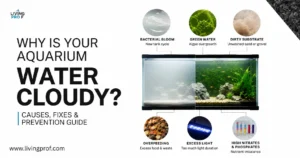
- Cloudy water: add floss, or check for overfeeding
- Ammonia spike: you cleaned too hard, so add zeolite and do a water change
- Brown water: tannins, so add carbon or Purigen
- Bad smell: clogged media, so rinse it now
- Low flow: blocked sponge or impeller
Why do some tanks stay crystal clear for years while yours turns green every month? Almost always, the answer is gentle, consistent maintenance and enough media. Nothing fancy. FYI, boring routines win in this hobby.
Frequently Asked Questions About Aquarium Filter Media
What is the best aquarium filter media overall?
A coarse sponge plus sintered glass or ceramic rings covers most tanks. Add chemical media only when you have a specific problem.
Do I need all three media types?
No. Mechanical and biological media are essential. Chemical media is optional.
How long does filter media last?
Sponges last 2 to 5 years. Ceramic and sintered glass last almost forever. Carbon lasts 3 to 4 weeks. Floss lasts 2 to 3 weeks.
Can I reuse old filter media?
Yes, if it’s biological media or a sponge in good shape. Rinse it gently in tank water and put it back. Don’t reuse old carbon.
Should I rinse new media before use?
Yes. Rinse new ceramic rings and carbon in plain water to remove dust. Only do this with new media. Never rinse established media in tap water.
How much filter media do I need?
Start with about 1 liter of media per 100 liters of water, then adjust for fish load. The filter media calculator gives a closer number.
Can too much filter media hurt my tank?
Rarely. Extra media means more bacteria and a bigger safety margin. The only problem comes when you cram it in so tight that flow drops.
Does filter media work in saltwater tanks?
Yes. Biological and mechanical media work the same way. Reef keepers often add phosphate remover and carbon too.
How do I know my media is working?
Test your water. Ammonia and nitrite at zero with some nitrate showing means your bacteria are doing their job.
Does the same filter media work for reptile and fish setups?
No. Fish filters process water, while reptile setups need different care. Check the reptile section for those guides.
Final thought: Catch the dirt, grow the bacteria, and remove problems only when they show up. Open your filter today and see what’s inside. Is it a real sponge and rings, or just a flimsy cartridge? Swap in better media one piece at a time. Your fish won’t say thanks, but they’ll stop floating around looking miserable, which is basically the same thing.