Key Takeaways – Marine & Exotic Saltwater Fish for Aquariums: Reef Care Guide
Stable salinity (1.024–1.026 SG) keeps marine & exotic saltwater fish healthy.
Strong filtration + protein skimmer prevents waste spikes.
Quarantine every new fish for at least 2–4 weeks.
Choose compatible reef fish to avoid aggression.
Feed small portions 2–3 times daily for active species.
Test water weekly for ammonia, nitrite, nitrate, pH, alkalinity.
Research each species before adding it to your reef tank.
1. Why Marine & Exotic Saltwater Fish Hook You So Fast
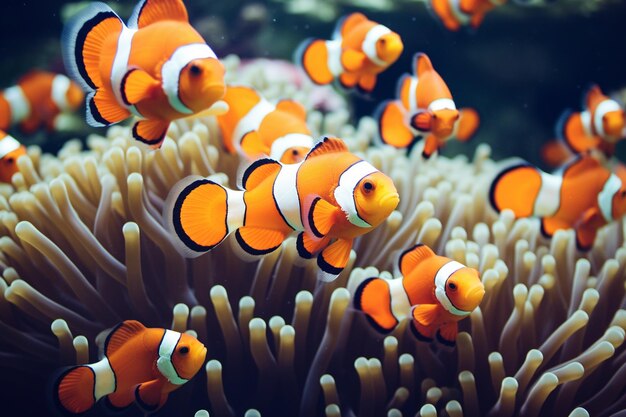
Why do marine & exotic saltwater fish for aquariums grab your attention so hard? Because they don’t just swim… they perform. One minute you stare at a clownfish wiggle, next minute you’re pricing protein skimmers at 2 a.m. I’ve done it. No shame.
Saltwater tanks demand effort. You test water. You mix salt. You monitor temperature like a hawk. But you also get color that freshwater tanks just can’t match. You see neon blues, electric yellows, and patterns that look unreal.
Do they require more care? Yep. Do they reward you for it? Absolutely.
When I set up my first reef tank, I rushed things. Big mistake. Ammonia spiked. Fish stressed. I learned fast that patience builds a stable marine aquarium. Nothing good happens quickly in saltwater. And honestly? That’s part of the fun.
You start noticing details:
Subtle breathing rate changes
Feeding behavior shifts
Tiny algae blooms
You feel like a detective, except your suspects have fins.
And here’s the real talk: If you want marine & exotic saltwater fish for aquariums, you must respect water chemistry. You can’t “wing it.” Saltwater doesn’t forgive laziness. It just doesn’t :/
Still interested? Good. Let’s keep going.
2. Essential Reef Tank Setup for Marine & Exotic Saltwater Fish
So what does a proper reef setup actually need? No fluff. Just gear that works.
You need:
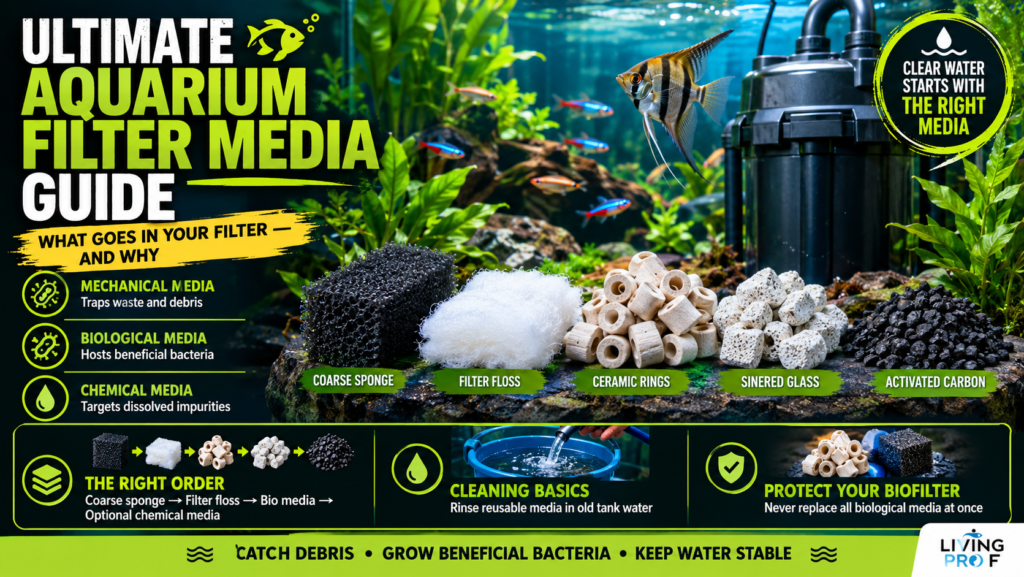
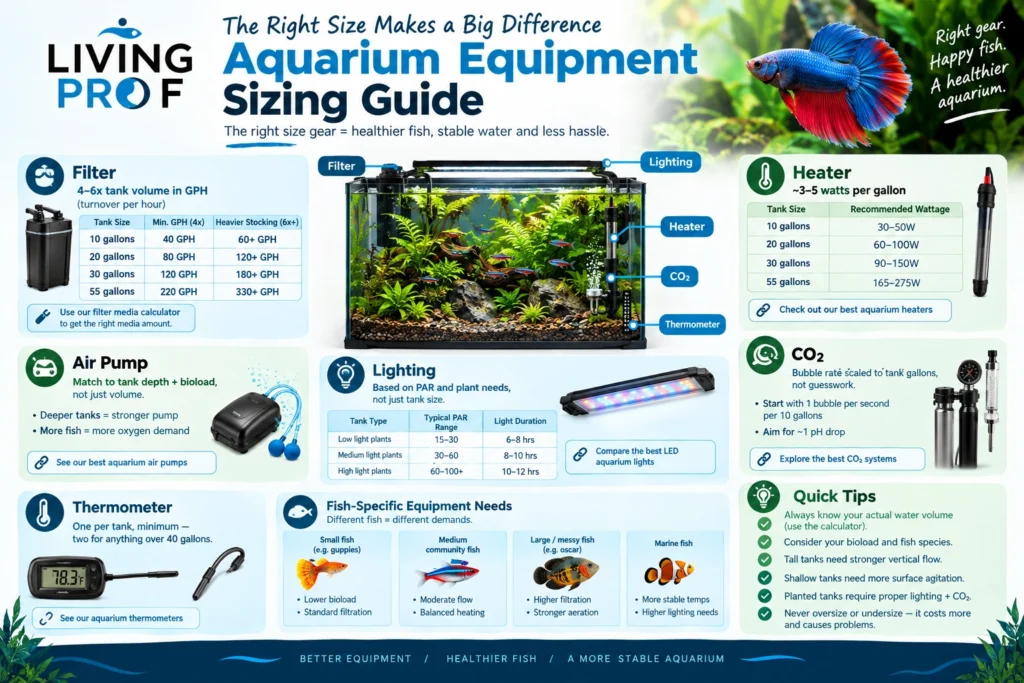
Quality tank (minimum 40 gallons for beginners)
Protein skimmer
Live rock (1–1.5 lbs per gallon)
Strong circulation pumps
Reliable heater + thermometer
Refractometer for salinity
Why live rock? Because bacteria live there. Those bacteria convert ammonia into nitrite, then nitrate. Without that biological filtration, your marine fish struggle fast.
I once skipped enough flow in a tank. Dead spots formed. Detritus piled up. Nitrates climbed. Lesson learned. Always ensure strong water movement.
Salinity matters too. Keep it between 1.024–1.026 specific gravity. Not “kinda close.” Exact. I check mine weekly, even now.
Lighting? If you only keep fish, basic reef lighting works. If you add coral later, upgrade. But don’t overspend on day one.
Ask yourself: Do you want a peaceful reef community or a semi-aggressive showcase tank? Your answer decides fish selection.
And please, cycle the tank fully before adding marine & exotic saltwater fish. Test ammonia and nitrite. Wait until both hit zero. I know waiting feels boring. But dead fish feel worse.
3. Best Beginner Marine & Exotic Saltwater Fish
Which marine fish work best for beginners? Let me save you stress.
Here are solid starter species:
Ocellaris Clownfish
Royal Gramma
Firefish Goby
Yellow Watchman Goby
Banggai Cardinalfish
Why these? Because they tolerate minor mistakes. They adapt well. They don’t demand extreme feeding schedules.
Clownfish remain a classic. They stay active. They eat almost anything. They also show personality. Mine greets me every morning. Or maybe it thinks I’m food. Hard to tell.
Royal Grammas add bright purple and yellow contrast. They stay peaceful in most reef tanks.
Firefish? Stunning, but jumpy. Use a lid. Trust me. One of mine carpet-surfed once. I still feel bad about that.
When choosing marine & exotic saltwater fish for aquariums, avoid impulse buys. Research adult size. Check aggression level. Confirm compatibility.
A fish that looks tiny in the store might grow large. Some tangs need 100+ gallons. Don’t squeeze them into small tanks.
Ask yourself: Does this fish match my tank size and current stock? If the answer feels uncertain, pause. Google. Ask forums. Wait.
Saltwater rewards patience again and again.
4. Feeding Marine & Exotic Saltwater Fish the Right Way
Do you feed once a day? Twice? Three times? It depends.
Most marine fish thrive on 2 small feedings daily. Active swimmers may need three.
Offer variety:
Frozen mysis shrimp
Brine shrimp
Marine pellets
Nori sheets (for herbivores)
I rotate food types weekly. Variety boosts immune strength and color. Fish get bored too, I think. Or maybe I just do.
Avoid overfeeding. Leftover food spikes nitrate. Nitrate feeds algae. Algae annoys you. Simple chain reaction.
Watch their eating behavior. Do they rush food? Do they spit it out? Healthy marine & exotic saltwater fish eat eagerly.
Also soak food in vitamin supplements once or twice weekly. I do this for immune support. It helps reduce disease risk.
And yes, marine fish beg for food constantly. Ignore dramatic performances. They’re actors.
Feed what they consume in under two minutes. That’s the rule I follow.
5. Water Parameters That Keep Reef Fish Alive
Let’s get practical. Numbers matter here.
Ideal reef parameters:
Temperature: 24–26°C (75–79°F)
Salinity: 1.024–1.026 SG
pH: 8.1–8.4
Ammonia: 0 ppm
Nitrite: 0 ppm
Nitrate: Under 20 ppm (lower for coral tanks)
Test weekly. I use liquid test kits. Strips feel quick but less accurate IMO.
When nitrate rises, perform a 10–20% water change. Use RO/DI water if possible. Tap water causes problems in many regions.
Stability beats perfection. Slightly off but stable works better than numbers swinging wildly.
I learned this after chasing perfect alkalinity for weeks. The constant adjusting stressed my tank more than slightly imperfect levels.
Marine & exotic saltwater fish need consistent conditions. Sudden changes shock them.
So slow adjustments win. Always.
6. Common Diseases in Marine & Exotic Saltwater Fish
Let’s talk about the ugly stuff. Disease happens.
Common saltwater fish diseases include:
Marine Ich (white spots)
Marine Velvet
Fin rot
Bacterial infections
White dots appear? Fish scratch on rocks? That screams Ich.
Here’s my rule: Quarantine every new fish for 2–4 weeks. No exceptions.
I skipped quarantine once. Just once. Ich spread through my display tank. Treating a reef tank is hard because medications harm coral and inverts.
A simple quarantine tank saves stress, money, and lives.
Watch for:
Rapid breathing
Clamped fins
Loss of appetite
Cloudy eyes
Early detection saves fish.
Keep stress low. Maintain clean water. Provide hiding spots. Healthy fish resist disease better.
Saltwater tanks feel dramatic sometimes. But most issues trace back to stress or poor water quality.
Fix those first.
7. Choosing Compatible Reef Fish (Avoid Tank Wars)
Ever seen two fish fight nonstop? It ruins the vibe fast.
Marine & exotic saltwater fish often show territorial behavior. You must plan stocking order.
General tips:
Add peaceful fish first
Add semi-aggressive species later
Avoid mixing similar body shapes (reduces rivalry)
For example, adding multiple dwarf angelfish in small tanks often triggers fights.
Research temperament. Some fish look calm but act bossy.
Rearranging rockwork before adding new fish helps reduce territorial aggression. It resets boundaries.
Also consider tank size carefully. Overcrowding fuels aggression.
When in doubt, choose peaceful community species. Your tank will feel calmer. And you won’t play referee daily.
I prefer harmony over chaos. My fish disagree sometimes, but overall peace wins.
8. Long-Term Reef Care and Maintenance Routine
So how do you keep marine & exotic saltwater fish thriving long-term?
Follow a routine:
Weekly
Test water
Clean glass
Check equipment
10% water change
Monthly
Deep clean pumps
Replace filter media if needed
Inspect rockwork
Consistency keeps tanks stable. Skipping maintenance causes slow decline. You may not notice issues until fish act stressed.
I treat reef care like brushing teeth. Routine prevents big problems.
Stay observant. Notice small changes early. Fish communicate through behavior.
And honestly? The routine becomes relaxing. You mix saltwater, adjust flow, watch fish swim. It feels good.
You start with curiosity. You stay because marine & exotic saltwater fish create living art in your home.
Frequently Asked Questions
1. How hard is it to keep marine & exotic saltwater fish?
It requires attention to water quality and stable parameters. Beginners succeed when they research, cycle properly, and avoid rushing.
2. What size tank works best for beginners?
A 40-gallon or larger tank offers more stability than nano tanks.
3. How often should I test water?
Test weekly. Test more often if you notice unusual fish behavior.
4. Can I mix aggressive and peaceful marine fish?
You can, but you must add peaceful species first and ensure enough space.
5. Do marine fish need live rock?
Yes. Live rock provides biological filtration and hiding spots.
6. Why do my marine fish hide a lot?
New fish hide while adjusting. Poor water quality or aggression also causes hiding.
You see? Marine & exotic saltwater fish for aquariums demand effort, but they give back color, movement, and personality.
So ask yourself… are you ready to mix saltwater and commit? If yes, start slow. Test often. Stay patient.
Your reef will thank you. And yeah, you’ll probably stare at it longer than you planned. I still do