Why Ball Pythons Act the Way They Do (And Why Your Setup Must Match It)

So… you bring home a ball python, set up a nice tank, then the snake hides for like two days straight. Panic kicks in. Is it sick? Is it mad? Did you offend it somehow? Nah. That little noodle simply acts like a ball python. They hide. A lot. Actually, they hide most of the time.
Ball pythons come from West and Central Africa. They spend their days inside burrows, termite mounds, and tight little holes. They feel safe in cramped spaces. I learned that the hard way years ago when my first python ignored a big fancy cave and instead squeezed behind the water bowl… yeah, snakes are weird sometimes :/.
People who keep reptiles often notice the same behavior across species. For example, if you read the Leopard Gecko Care Guide for Beginners, you’ll see geckos also rely heavily on hides and secure shelters. Reptiles simply prefer predictable, enclosed spaces.
Here’s what that means for your setup:
- Provide at least two hides (warm side + cool side)
- Keep lighting fairly low
- Avoid constant disturbances around the tank
A ball python that feels secure eats better. That’s a big deal, because picky eaters are kinda their thing. Ever wonder why so many beginners complain about feeding strikes? Most times the enclosure feels too open or stressful.
So before you obsess over feeding charts and prey size, fix the environment first. Your snake will quietly appreciate it… even if it never actually says thanks.
Choosing the Right Enclosure Size and Layout
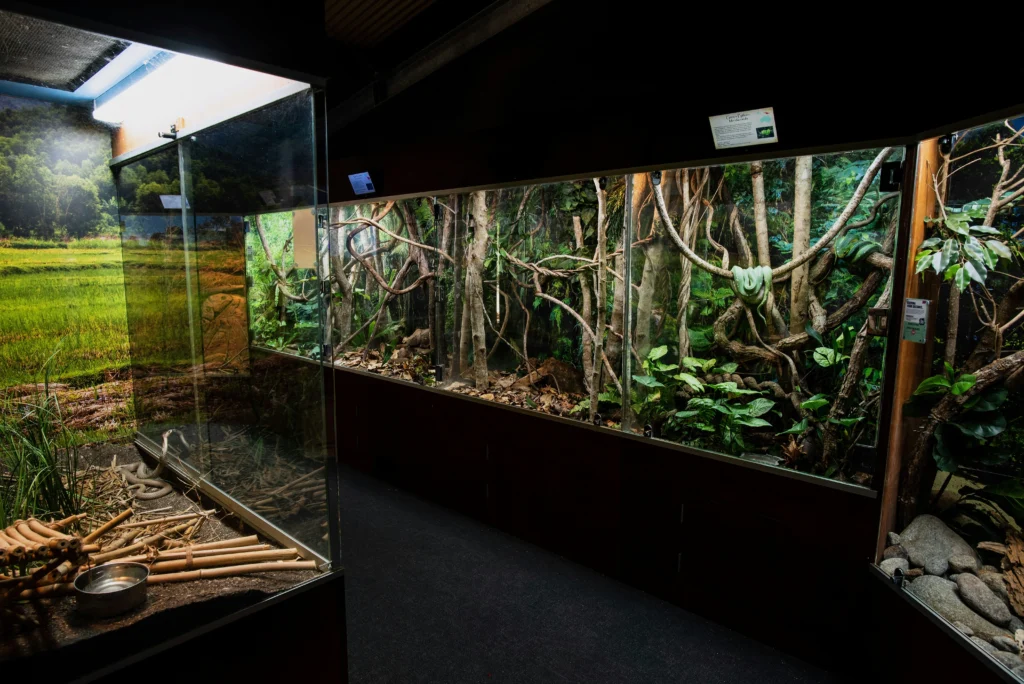
Alright, quick question. Should a ball python live in a huge tank like a giant aquarium? Sounds nice, right? More space equals happier animal… right?
Well… sorta. But also not really.
Ball pythons feel safer in moderately sized enclosures with lots of cover. Too much open space stresses them. I once tried a massive enclosure for a young python and it refused food for three weeks. The moment I added more hides, boom… it ate the next day. Snakes are dramatic sometimes.
Recommended enclosure sizes
| Snake Age | Minimum Enclosure |
|---|---|
| Hatchling | 20 gallon |
| Juvenile | 30 gallon |
| Adult | 40 gallon or larger |
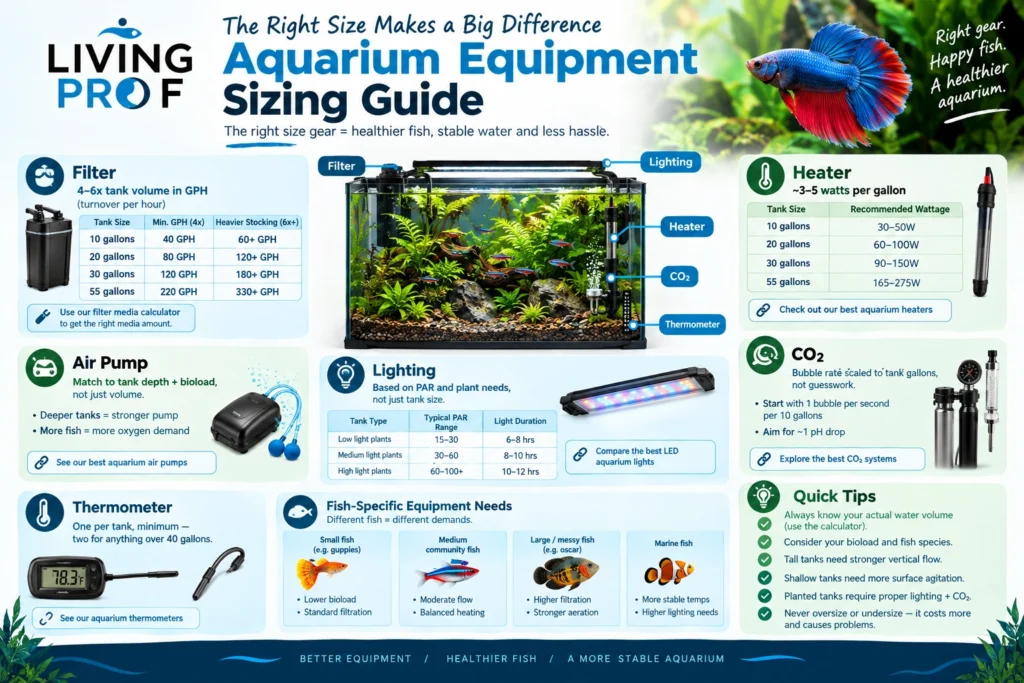
To figure out tank size properly, tools like the Tank Capacity and Equipment Guide help calculate space and equipment needs.
Layout basics
Your enclosure should include:
- Two tight hides
- Water bowl large enough for soaking
- Warm basking area
- Cool retreat area
- Branch or decor for mild climbing
Ball pythons aren’t big climbers, but they still explore a little. Give them something to inspect.
Funny thing, fish keepers actually worry about similar layout issues. Articles like Discus Fish Tank Requirements talk about territory and comfort zones too. Totally different animals, same basic idea: stress kills appetite.
So keep the enclosure simple. Your snake doesn’t need a luxury penthouse.
Just give it safe hiding spots and stable conditions. Done.
Heat, Humidity, and Temperature Control
Temperature control makes or breaks ball python care. Mess this part up and your snake stops eating… or worse, gets sick.
Ball pythons need a temperature gradient. One side warm, the other cooler. That way the snake moves between them to regulate body temperature.
Ideal temperature zones
| Area | Temperature |
|---|---|
| Warm side | 31–33°C (88–92°F) |
| Cool side | 24–26°C (75–79°F) |
| Night temps | around 23–25°C |
Use heat sources like:
- Under-tank heating pads
- Ceramic heat emitters
- Radiant heat panels
Always use a thermostat. Snakes burn easily without one. Seriously, reptile burns happen more often than people admit.
Humidity also matters.
Ball pythons need 55–70% humidity, slightly higher when shedding. If humidity drops too low, sheds come off in pieces… which looks messy and stresses the snake.
Monitoring tools matter here. Aquarium keepers track water conditions using equipment like Aquarium Thermometers, and reptile setups benefit from similar accuracy.
A cheap digital thermometer + hygrometer combo solves most problems. IMO every reptile keeper should own one.
Substrate and Interior Setup for Ball Pythons
Substrate sparks endless debates among reptile keepers. Ask ten snake owners and you’ll get ten different opinions. Classic hobby behavior, honestly.
I’ve tested a bunch over the years, and a few options work consistently well.
Good substrate choices
- Coconut fiber – holds humidity nicely
- Cypress mulch – great for humidity and odor control
- Aspen bedding – dry environments only
Substrates I usually avoid:
- Pine or cedar (toxic oils)
- Sand (bad for digestion if swallowed)
- Newspaper long-term (fine temporarily though)
Ball pythons benefit from slightly humid bedding. It helps with shedding and hydration.
Interior items should stay simple:
- Two hide boxes
- Large water bowl
- One climbing branch
- Optional plants for cover
Cleaning routine matters too. I spot-clean every few days and do a full substrate change monthly.
Fish keepers know this routine well. Anyone who reads Betta Fish Care Guide already understands how consistent maintenance keeps animals healthy.
Same idea here. Clean environment, healthy reptile.
Pretty simple formula.
Ball Python Feeding Basics (Prey Size & Schedule)
Now the topic everyone obsesses over… feeding.
First rule: prey size matters more than prey type.
The prey should match the widest part of the snake’s body. Too small and the snake stays hungry. Too big and digestion becomes risky.
Typical feeding schedule
| Snake Age | Feeding Frequency |
|---|---|
| Hatchlings | every 5–7 days |
| Juveniles | every 7–10 days |
| Adults | every 10–14 days |
Ball pythons usually eat:
- Mice
- Rats
- Occasionally chicks
Rats work better for adult snakes because they provide more calories.
Beginners often make feeding mistakes, which is why guides like Ball Python Feeding Schedule – Never Make These Common Mistakes exist. That article covers common issues like prey size errors and skipped meals.
One funny thing about ball pythons: they sometimes refuse food for weeks… even months. Healthy adults can handle it.
Still stressful for new keepers though, I won’t lie.
Safe Feeding Practices and Handling After Meals
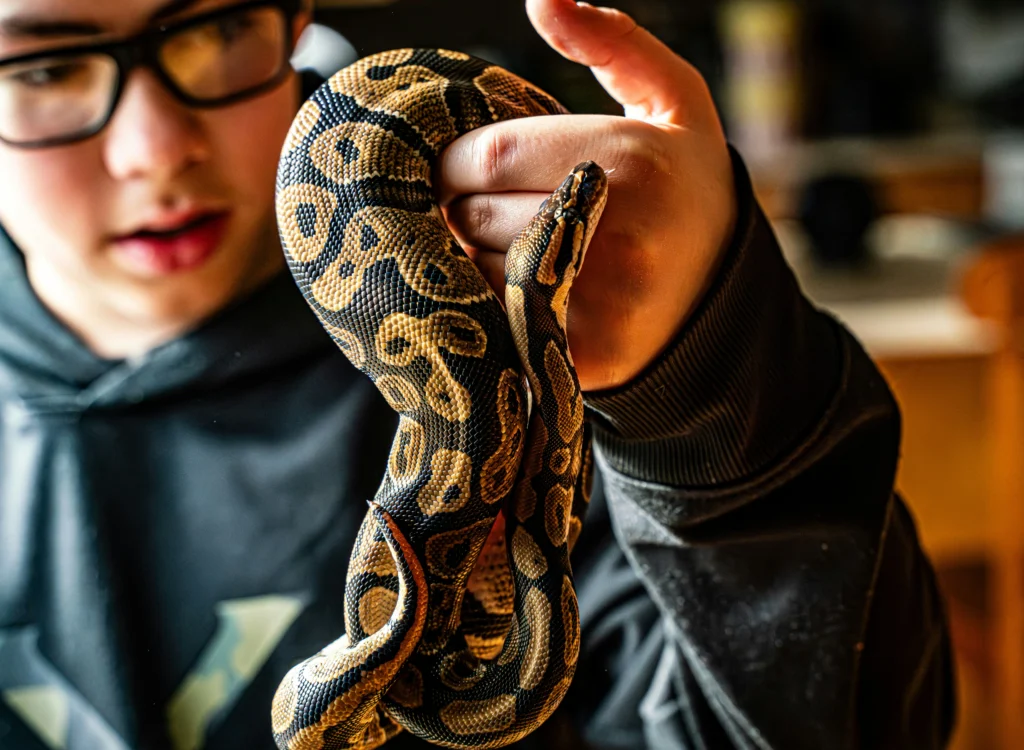
Ever wondered why experienced keepers avoid handling snakes after feeding?
Digestion takes effort. A lot of effort.
If you pick up a snake right after it eats, it might regurgitate the meal. Gross, yes… and also unhealthy for the snake.
Post-feeding rules
- Wait 48 hours before handling
- Keep enclosure quiet and stable
- Avoid temperature fluctuations
Also, use frozen-thawed prey whenever possible. Live rodents fight back and can injure snakes.
Use feeding tongs to present the prey. That keeps your fingers safe and teaches the snake that food arrives from a tool, not your hand.
Some reptile keepers even track feeding schedules the same way aquarium hobbyists track feeding with tools like Automatic Fish Feeders. Different animals, similar routines.
Consistency makes reptiles comfortable.
Common Ball Python Care Mistakes Beginners Make
Alright… let’s talk about mistakes. Everyone makes them. I definitely did.
The biggest problems usually come from overthinking simple things.
Common beginner mistakes
1. Enclosures that feel too open
Snakes want tight hiding spots. Large open tanks cause stress.
2. Poor humidity
Low humidity leads to bad sheds and dehydration.
3. Feeding prey that’s too large
Beginners often think bigger prey equals faster growth. Nope.
4. Handling too frequently
Give the snake time to settle. Handling every day stresses them.
Other reptile species deal with similar issues. Articles like Bearded Dragon Care mention stress and enclosure mistakes too.
So don’t stress over perfection. Just keep the basics stable.
Your snake will handle the rest.
Long-Term Health, Shedding, and Maintenance
Ball pythons live 20–30 years in captivity. Yeah… that’s a long commitment. Longer than many dogs, honestly.
Shedding cycles happen every few weeks in young snakes, then slow down as adults.
Signs a shed is coming
- Dull skin color
- Blue or cloudy eyes
- Reduced appetite
Humidity helps the process. If shedding problems appear, you can try:
- Adding a humid hide
- Light misting
- Increasing humidity slightly
Health checks should include:
- Clear eyes
- Smooth skin
- Strong grip when handled
- Normal feeding response
Occasionally parasites appear, especially in new reptiles. Some keepers consult guides like Praziquantel for Fish – When and How to Use This Deworming Medicine for general parasite treatment knowledge, though reptile vets provide proper diagnosis.
Regular observation works best. Snakes show subtle signs when something feels wrong.
Watch them closely and you’ll notice changes quickly.
Frequently Asked Questions
How often should I feed my ball python?
Feed juveniles every 5–7 days and adults every 10–14 days. Adjust based on body condition.
Do ball pythons need large tanks?
No. Adults thrive in 40-gallon enclosures with multiple hides.
Why does my ball python refuse food?
Common reasons include:
- Stress from enclosure changes
- Low temperatures
- Shedding cycle
- Seasonal fasting behavior
Should I feed live or frozen prey?
Frozen-thawed prey works much safer. Live rodents can injure snakes.
How long do ball pythons live?
With good care they often live 20–30 years, sometimes longer.