
Key Takeaways
| Question | Short Answer |
|---|---|
| Easiest reptile to start with? | Leopard gecko or corn snake |
| Easiest fish to start with? | Betta or guppy |
| Biggest beginner mistake? | Buying the pet before the setup is ready |
| Do I need to check the law? | Yes, always. Rules change by state and country |
| How long do these pets live? | 3 years for a guppy, 20+ years for a ball python |
| Do I need an exotic vet? | Yes. Find one before you bring the animal home |
What Counts as an Exotic Pet (and Why You Should Start Small)
“Exotic pet” sounds fancy, but it just means any pet that isn’t a normal cat or dog. Snakes, lizards, turtles, tropical fish and even some birds all land in that bucket. Most beginners ask the same thing: which one won’t kill me with paperwork and heat lamps?
I kept fish for years before I touched a reptile. My first tank taught me that water, heat and patience run everything. That lesson carried over to every animal I’ve owned since. Ever wondered why so many first-timers quit within a year? They buy a cool animal, then find out it needs a setup worth three times the animal.
So start small. A betta or a leopard gecko forgives beginner mistakes far better than a monitor lizard or a giant Oscar. You can always move up later.
Browse two main hubs on the site to see what appeals to you. Our reptile section covers snakes, lizards and turtles. The aquarium fish section covers everything from guppies to saltwater tanks.
Here’s a quick way to narrow it down:
- Little space and a small budget: pick a betta or a guppy tank
- Want something to handle: pick a corn snake, leopard gecko or bearded dragon
- Want something to watch: pick a planted community tank
- Travel a lot: pick fish with an automatic feeder setup, or a hardy gecko
Notice what’s missing from that list? Giant snakes, monkeys and monster fish. IMO those belong in your second or third chapter, not your first. If big fish tempt you anyway, read our guide on monster fish that actually stay manageable before you spend a cent.
Pick the animal that fits your daily life, not your Instagram feed. A pet you can care for at 7am on a Monday beats a pet that looks amazing in photos.
Check the Law Before You Buy
This part bores everyone, and it still matters most. Some states and countries ban certain snakes, turtles or lizards. Others ask for a permit. A few treat a tiny turtle like a controlled item.
I’ve seen people buy an animal on Saturday and learn on Monday that their city bans it. The animal pays for that mistake. So check first, buy second.
Use our legal exotic pets by state guide to see the rules in your area. Then confirm with your local wildlife office, since laws change faster than blog posts do. FYI, apartment leases and housing rules can ban pets your state allows, so read your lease too.
Here’s a simple legal checklist:
- Check state or national law for the species you want
- Check city or county rules, since some are stricter
- Check your lease or housing rules
- Ask the seller for paperwork, especially for protected species
- Keep every receipt and permit in one folder
International trade has its own rules. The CITES website explains how the treaty protects species that cross borders. If a seller offers a rare animal with no papers, walk away. That animal probably came from the wild, and wild-caught animals often arrive sick and stressed.
Local readers should know that wild animals do not belong in a home. Sri Lanka’s native wildlife has strong protection. Our article on mugger crocodiles in Sri Lanka shows why these animals stay in the wild. If you want a native turtle, read the Sri Lankan black turtle care guide and confirm what the law allows before you act.
Always buy captive-bred animals from a breeder or shop you trust. Ask how old the animal is, what it eats and whether you can see it eat. A good seller answers every question without getting annoyed. A bad seller changes the subject.
Best Beginner Exotic Pets Compared
Let me save you some research time. This table covers the animals I recommend most often. Sizes and lifespans are typical numbers, and individual animals vary.
| Pet | Adult Size | Lifespan | Minimum Setup | Difficulty |
|---|---|---|---|---|
| Leopard gecko | 8–10 in | 15–20 years | 20-gallon long tank | Easy |
| Corn snake | 4–5 ft | 15–20 years | 40-gallon tank or larger | Easy |
| Bearded dragon | 18–24 in | 8–12 years | 120-gallon (4x2x2 ft) adult | Medium |
| Ball python | 3–5 ft | 20–30 years | 4x2x2 ft adult enclosure | Medium |
| Betta fish | 2–3 in | 3–5 years | 5-gallon heated tank | Easy |
| Guppy | 1–2 in | 2–3 years | 10-gallon tank | Easy |
| Red-eared slider | 10–12 in | 20–30+ years | Large tank, 75 gallons or more | Hard |
Look at the lifespan column twice. A ball python can live longer than some people stay in the same job. A red-eared slider can outlive your car loan, your next car and maybe your next move. You commit to the animal for that whole stretch. 🙂
The turtle row surprises people. Baby sliders look tiny and cheap in a shop. Adults need big tanks, strong filters and a lot of cleaning. That’s why I rate them hard for beginners, despite the cute baby photos.
Torn between two lizards? Our comparison of bearded dragon vs leopard gecko walks through the daily routine of each. In short, a gecko needs less equipment, while a bearded dragon needs bright light, heat and more space.
My own pick for a total beginner? The leopard gecko. It’s small, calm and eats insects on a simple schedule. It also doesn’t need the strong UVB setup that a bearded dragon needs.
Reptile Picks: Snakes and Lizards
Reptiles scare some people, but the beginner species are gentle. They need heat, hiding spots and a steady routine. Skip any of those three and they get sick.
Corn Snake
Corn snakes rank near the top for first-time snake owners. They stay a manageable size, they rarely bite and they eat frozen-thawed mice. Our corn snake care sheet lists the exact setup. Keep the warm side around the mid-80s °F and give the snake two hides, one warm and one cool.
Ball Python
Ball ppythons stay calm and curl into a ball when scared, which gives them the name. They need more humidity than a corn snake, usually 50–60% with a bump during shedding. They also refuse food now and then, which panics beginners. Read the ball python care guide and the ball python feeding schedule mistakes article before you bring one home. A hungry-looking snake that skips a meal usually has a temperature problem, not a hunger problem.
Leopard Gecko
Leopard geckos live on the ground, eat insects and tolerate handling in short sessions. Keep the warm surface around 88–92°F and the cool side in the high 70s. The full leopard gecko care guide for beginners covers the rest.
Bearded Dragon
Bearded dragons act like tiny puppies with scales. They wave, they bob and they climb on your shoulder. They also need a basking spot near 100–110°F, strong UVB light and a diet of insects plus greens. Check the bearded dragon care guide for the full setup.
My own bearded dragon taught me one thing fast: he cared more about his salad timing than my schedule. I once ran late with dinner and got a full dramatic glare. Funny, but also proof that routine matters to these animals.
Use these rules of thumb for any reptile:
- Buy a thermometer first. Guessing the temperature kills animals
- Use a thermostat on every heat mat or heater
- Give two hides, one warm and one cool
- Never house two snakes together unless an expert says so
- Wash your hands after every handling session
Fish Picks: The Easiest Aquarium Pets
Fish look easy, and they aren’t. The hard part hides in the water, where ammonia and nitrite build up without any smell. Every healthy tank runs on a cycle of good bacteria, and a new tank needs a few weeks to grow them.
The betta works great for a first tank. Give it a heated 5-gallon tank with gentle filtration and a few plants. Skip the tiny bowls you see in shops, since those stay cold and dirty. One betta per tank, always, because males fight.
Guppies bring color and constant action. They breed fast, which makes them fun and also a little chaotic. Buy only males, or buy a small group with a plan for the babies.
Corydoras catfish clean up leftover food at the bottom and keep to themselves. Keep them in groups of six or more on soft sand so their whiskers stay healthy.
Want a mixed tank? Our guide on peaceful freshwater community fish combinations shows which species live together without fights. Add fish slowly, just two or three at a time, so the filter can keep up.
I wouldn’t start with any of these:
- Oscars: they grow huge and eat their tank mates
- Discus: they demand perfect water and warm temperatures
- Saltwater reef fish: beautiful, expensive and unforgiving
- Any “monster” fish: they need tanks bigger than most bedrooms allow
Curious about those upgrades for later? Our discus tank requirements and marine fish guide lay out what the next level costs in time and money. Read them, then go back to your betta tank and enjoy it. A calm, healthy small tank beats a sick, expensive big one every time.
Enclosure and Tank Setup
Setup decides whether your pet lives well or just survives. Buy the equipment first, run it for several days and confirm the numbers. Then buy the animal. Yes, that order feels backwards when you’re excited. Do it anyway.
Size the Tank Correctly
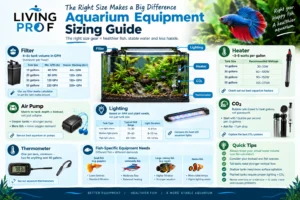
Guessing your tank size causes most equipment mistakes. Use the fish tank volume calculator to get real gallons or liters. Then check the tank capacity and equipment guide and the aquarium equipment sizing guide to match gear to your tank.
Equipment for Fish
A basic fish tank needs four things:
- A filter rated for your tank size, see the best aquarium filters and the guide on what size filter you need
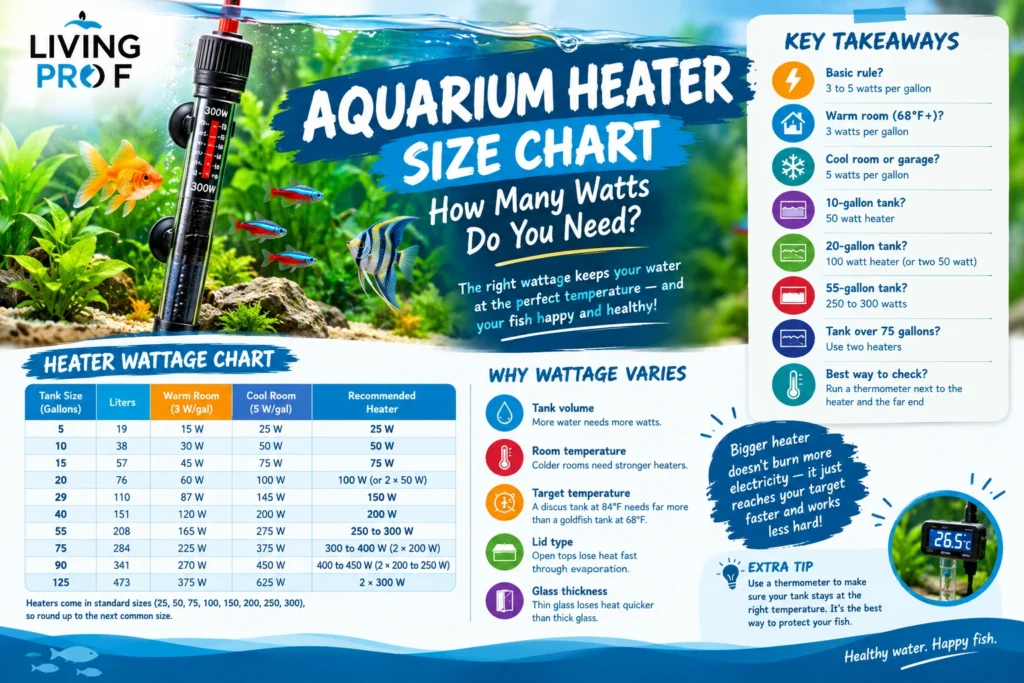
- A heater for tropical fish, see the best aquarium heaters
- A thermometer, see the aquarium thermometers page
- A light with a timer, see the best LED aquarium lights and the aquarium lighting calculator
A quiet air pump helps in some tanks, and our list of quiet aquarium air pumps shows good picks. Cloudy water scares new owners, but it usually passes. Read why aquarium water turns cloudy before you panic and dump the whole tank.
Equipment for Reptiles
Reptile gear works differently. You need a heat source, a thermostat, hides and a good substrate. Compare your options in our reptile heat lamps vs heat mats guide. In short, lamps warm the air and basking spot, while mats warm the ground. Most species do better with one main heat source plus a thermostat.
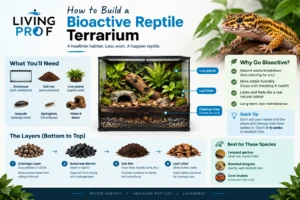
Feeling ambitious? Try a bioactive reptile terrarium. Live plants and cleanup crews keep the enclosure healthier, though it costs more up front.
A tip from my own mistakes: I once trusted the cheap stick-on thermometer that came in a kit. It read 8 degrees off. Buy a digital probe thermometer and check the real numbers.
Feeding and Daily Care
Feeding looks simple until you get it wrong. Too much food makes fish sick and reptiles fat. Too little makes both weak. The fix is a plain schedule that you write down and follow.
Reptile Feeding
Each species eats differently, so use the reptile feeding schedule page as your starting point. Here’s a rough guide:
| Pet | Typical Food | Rough Frequency |
|---|---|---|
| Leopard gecko | Crickets, dubia roaches, mealworms | Every day or two for young, 2–3 times a week for adults |
| Corn snake | Frozen-thawed mice | Every 7–14 days depending on age |
| Ball python | Frozen-thawed mice or rats | Every 7–14 days depending on size |
| Bearded dragon | Insects plus leafy greens | Daily for young, less insect-heavy as adults |
Always dust insects with calcium, and use a vitamin supplement as your care sheet says. Before you feed fruit, veg or bugs, run them through the reptile food safety checker. Some common foods harm reptiles, and the tool saves you from guessing. Our article on the ball python feeding schedule shows the most common slip-ups.
Turtle owners get a separate challenge. Read what aquatic turtles actually need to eat each day, since a pellet-only diet falls short.
Fish Feeding
Feed fish only what they finish in about two minutes. Then stop. Uneaten food rots, spikes ammonia and clouds the water. Read our guide on understanding fish dietary needs to match food to species, since a betta, a corydoras and a guppy don’t eat the same way.
Going on holiday? An automatic fish feeder covers a weekend trip well. For longer trips, ask a friend to check the tank. Test the feeder for a week before you leave, because a stuck feeder can dump a month of food in one go.
A Simple Daily Routine
- Morning: check temperature, look at your pet, feed if scheduled
- Evening: check lights and timers, spot-clean waste
- Weekly: change 20–30% of fish tank water, wipe glass, clean the reptile water bowl
- Monthly: rinse filter media gently in tank water, never in tap water
Check your filter media with the filter media calculator if you’re unsure how much you need. The how much filter media do I need article explains the numbers.
Health, Vet Care and Costs
Animals hide illness until it gets serious. A fish that clamps its fins, a gecko that stops eating and a snake that hisses more than normal all send a signal. Catch the signal early and treatment works far better.
Common Health Problems
Learn the warning signs before your pet needs them. Our guides cover the biggest ones:
- Common reptile diseases, symptoms and treatment
- Common freshwater fish diseases and treatment
- How to treat ich in freshwater aquariums
- When and how to use deworming medicine for fish
Fish medicine and reptile medicine can hurt your pet if you guess the dose. Follow the label, and ask a vet when the label doesn’t cover your case.
Find an Exotic Vet Early
Regular vets often skip reptiles and fish. Look for an exotic animal vet before you buy. The Association of Reptilian and Amphibian Veterinarians keeps a directory that helps you find a vet who treats reptiles. Save the clinic number in your phone, and ask what they charge for an emergency visit. That one call saves stress at 2am.
What It Really Costs
Costs vary a lot by country and shop, but expect these rough ranges for setup:
| Pet | Rough Setup Cost | Monthly Cost |
|---|---|---|
| Betta | Low | Very low |
| Guppy tank | Low to medium | Low |
| Leopard gecko | Medium | Low |
| Corn snake | Medium | Low |
| Bearded dragon | Medium to high | Medium |
| Ball python | Medium to high | Low to medium |
The animal itself usually costs the least. The enclosure, heating, lighting and vet visits add up. Budget for the full setup, then keep a small emergency fund.
Your Next Step
You now know the basics. Check the law, pick a beginner species, buy and test the gear, then bring the animal home. Start with one pet, not three.
My honest advice? Choose the animal you will still feed, clean and enjoy five years from now. Hype fades, routines stay. Visit the LivingProf home page or the full tools hub to find calculators and care guides for the next step. Then go build that setup. Your future pet will thank you, probably by ignoring you until feeding time.
Frequently Asked Questions
What is the easiest exotic pet for a beginner?
For reptiles, the leopard gecko and corn snake rank easiest. For fish, the betta and guppy are the simplest. All four tolerate small mistakes better than most species.
Are exotic pets legal everywhere?
No. Laws change by country, state and even city. Check our legal exotic pets guide and then confirm with your local wildlife authority.
How much space does a first exotic pet need?
A betta fits a 5-gallon tank, and a leopard gecko fits a 20-gallon long. A ball python or adult bearded dragon needs a 4x2x2 ft enclosure. Use the tank capacity and equipment guide to plan.
Do reptiles carry diseases?
Many reptiles carry Salmonella bacteria without looking sick. Wash your hands after every touch, and keep reptile gear out of kitchen sinks. Small children, pregnant people and anyone with a weak immune system should take extra care.
Can I leave my exotic pet alone for a weekend?
Most healthy adult reptiles and fish handle a weekend fine with the right timers and an automatic feeder. Longer trips need a pet sitter who knows the routine.
Should I buy a pet online or from a shop?
Buy from a breeder or shop that sells captive-bred animals and lets you see them eat. Avoid sellers who can’t say where the animal came from.
How long will my exotic pet live?
It depends on the species. Guppies live 2–3 years, bettas 3–5 years, leopard geckos and corn snakes 15–20 years, and ball pythons 20–30 years.
What is the biggest beginner mistake?
Buying the animal before the setup works. Run your heater, thermostat and filter for a few days first, and confirm every number with a trusted thermometer.