Tank Size: 20–30 gallons works best for beginner community tanks.
Schooling Fish: Always keep tetras, rasboras, and similar species in groups of 6+.
Bottom Fish: Corydoras catfish are one of the safest peaceful bottom dwellers.
Centerpiece Fish: Angelfish or gouramis can work in larger peaceful setups.
Feeding: Offer varied food so bottom fish and mid-water fish both eat properly.
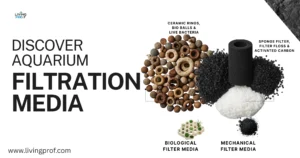
Filtration: Stable filtration prevents stress and aggression.
Water Stability: Peaceful fish stay calm when water parameters stay consistent.
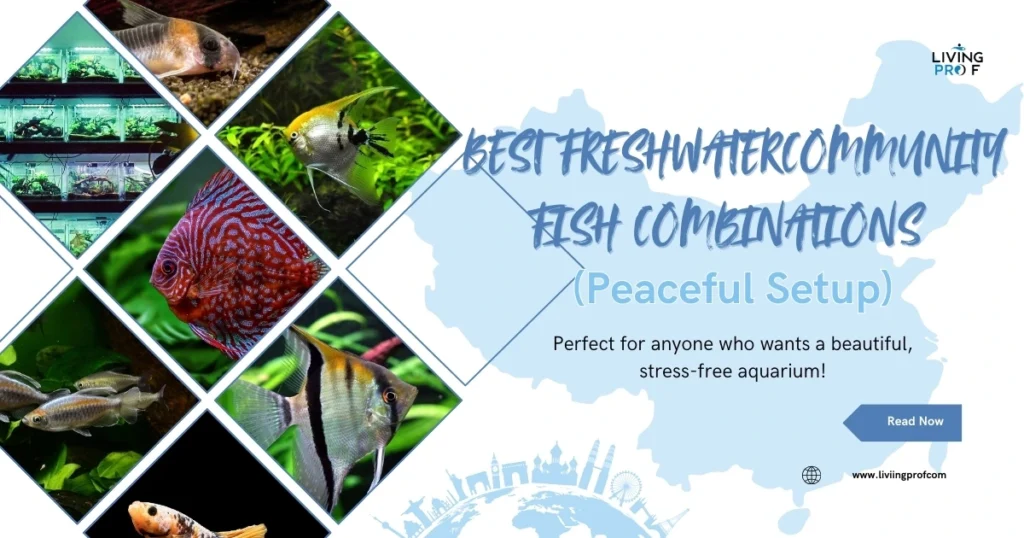
Best Freshwater Community Fish Combinations (Peaceful Setup)
Let me guess. You saw one of those beautiful community aquariums online — colorful fish everywhere, nobody chasing anyone, plants waving around peacefully. Looks simple, right?
Yeah… until someone drops an aggressive fish into the mix and suddenly the tank turns into a tiny underwater crime scene.
I’ve kept community tanks for years, and honestly the trick isn’t fancy gear. The trick is choosing fish that simply tolerate each other. Sounds obvious, but people mess this up constantly.
So here’s a realistic breakdown of peaceful freshwater fish combinations that actually work.
1. The Classic Beginner Combo (Guppies, Corydoras & Tetras)
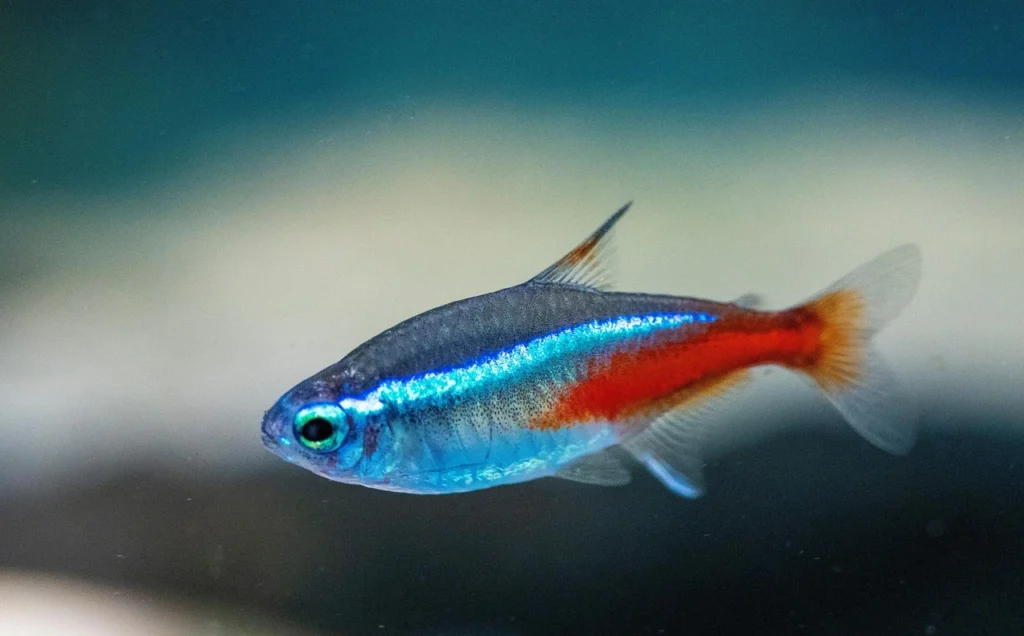
This setup is basically the “starter pack” for community tanks. And honestly? It works ridiculously well.
You get color, movement, and almost zero aggression.
Typical Setup
| Fish | Group Size | Tank Level |
|---|---|---|
| Guppies | 6+ | Top / mid |
| Neon Tetras | 8+ | Mid |
| Corydoras Catfish | 6+ | Bottom |
Guppies bring color and constant activity. If you want details on breeding and care, check the Guppy Fish Care & Breeding Guide.
Meanwhile the bottom of the tank stays active thanks to Corydoras, which you can learn more about in the Corydoras Catfish Care Guide.
When you keep them in proper groups, Corys move like a little sand-sifting team. One fish alone looks bored. Six fish suddenly act like tiny explorers.
Ever noticed how calm a tank feels when fish stay in their own swimming zones? Exactly. That’s why this combo works.
2. Angelfish Community Setup (Slightly Fancy, Still Peaceful)
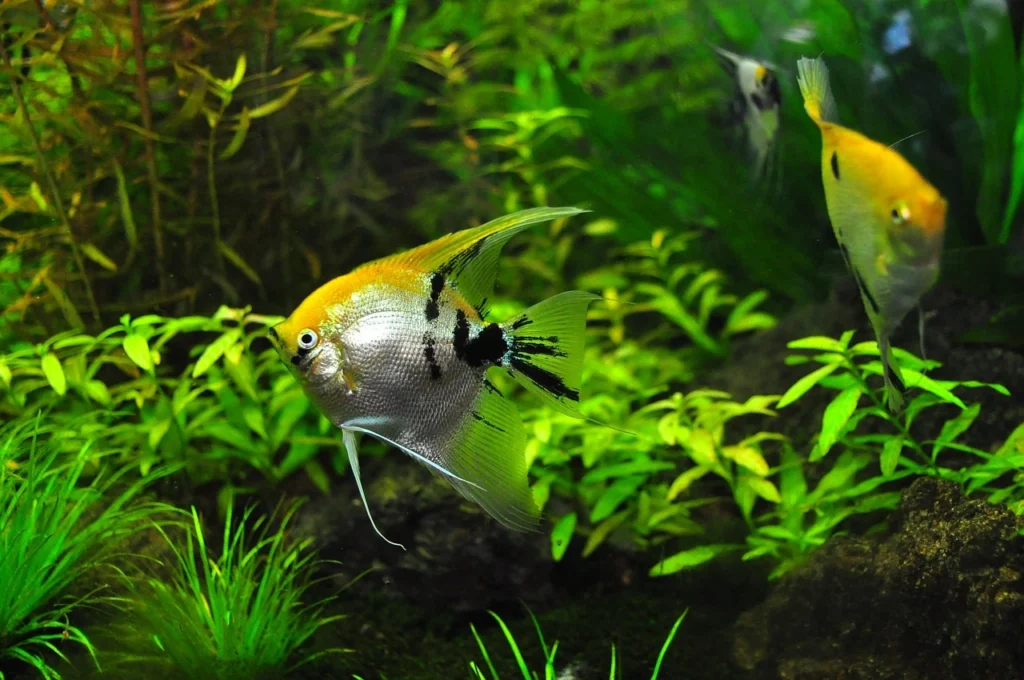
Alright, maybe you want something a little more dramatic. Angelfish do that.
They glide around like slow underwater kites… until someone pairs them with tiny fish they can swallow. Yeah, that happens more than people admit.
Before adding one, read the Angelfish Habitat and Behavior Guide.
A peaceful angelfish tank might look like this:
Balanced Angelfish Community
- 1–2 Angelfish
- 8 Rummy Nose Tetras
- 6 Corydoras
- 4–6 Hatchetfish
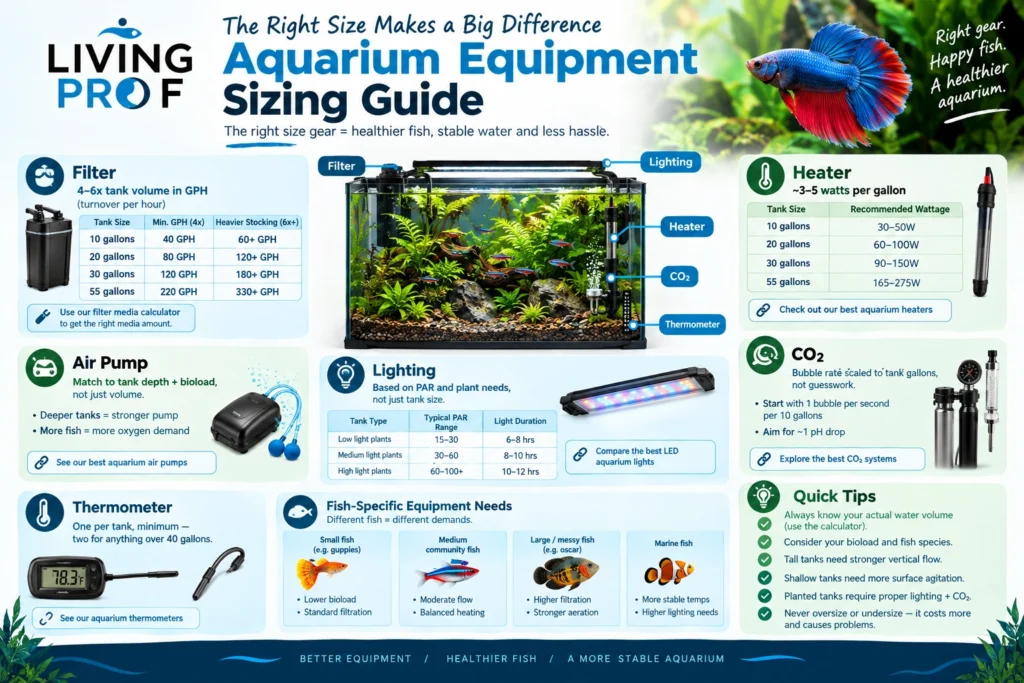
Angelfish need vertical swimming space, so tank size matters more here. If you’re unsure, check the Tank Capacity & Equipment Guide before stocking.
Plants help too. Strong lighting from Best LED Aquarium Lights Compared keeps plants healthy, which stabilizes the tank.
Healthy plants quietly reduce nitrate spikes. Less stress for fish. Less chaos overall.
3. Discus Community Tank (Beautiful but Slightly Demanding)
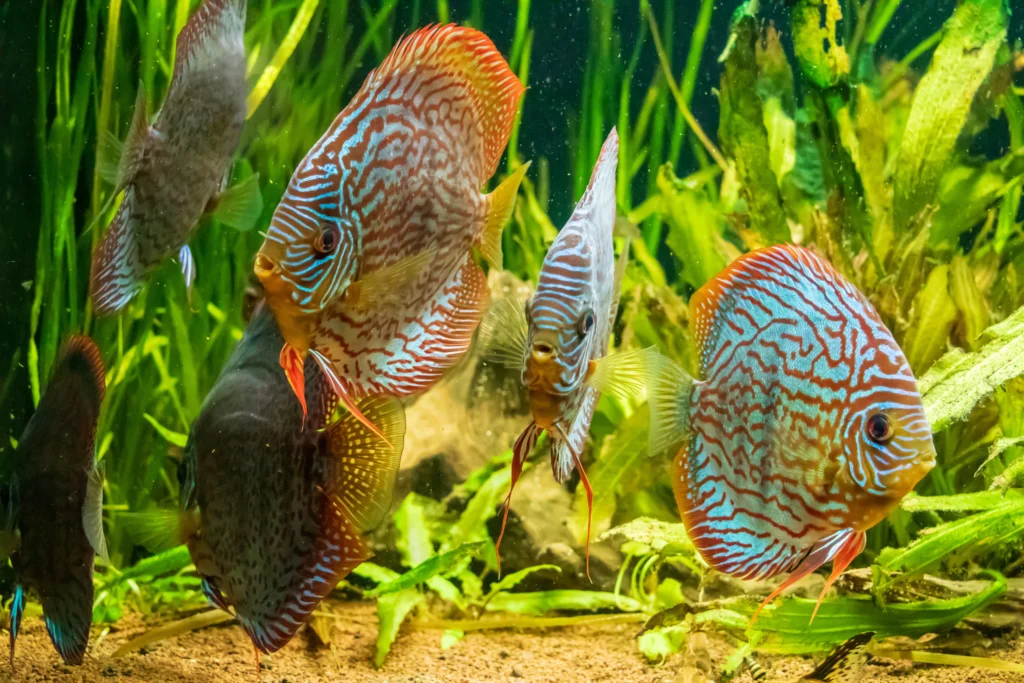
Discus tanks look incredible. They also punish sloppy maintenance.
These fish prefer warm, stable water, which limits compatible tank mates. If you’re thinking about trying them, read the Discus Fish Tank Requirements Guide first.
A peaceful discus setup usually includes:
Compatible Discus Tankmates
- Cardinal Tetras
- Corydoras Sterbai
- Rummy Nose Tetras
- Small peaceful plecos
Why these fish?
Because they tolerate the higher temperature (around 28–30°C) discus prefer.
One thing I learned the hard way — discus hate sudden changes. Even a cheap heater failure can stress them badly.
That’s why reliable heaters from 7 Best Aquarium Heaters Tested & Reviewed matter more than people think.
Stable water = calm discus. Simple math.
4. The “Peaceful Planted Tank” Fish Combination
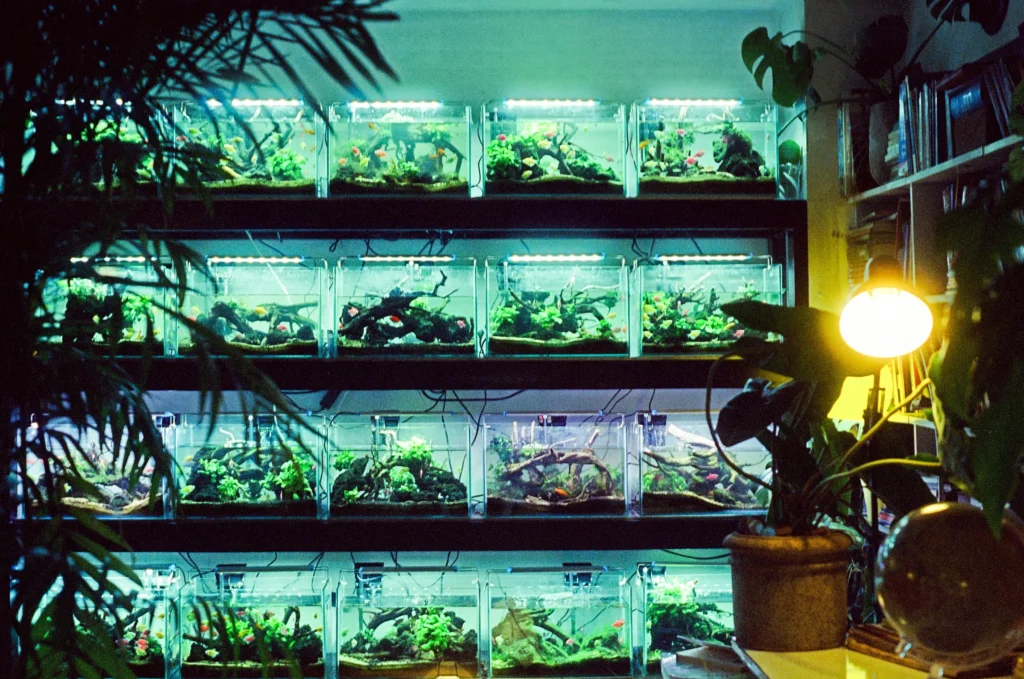
Planted tanks change the entire vibe of an aquarium. Fish behave differently when they feel covered by plants.
Ever watched a school of rasboras swim through dense plants? Looks like a tiny cloud moving around.
Great Planted Tank Community
| Fish | Role |
|---|---|
| Harlequin Rasboras | Mid-water school |
| Ember Tetras | Color contrast |
| Corydoras | Bottom cleaners |
| Otocinclus | Algae control |
Plants also help control nitrates naturally.
If you run a planted setup, CO₂ systems from Best CO2 Systems for Planted Aquariums help plants grow thicker and healthier.
More plants = more hiding spots = less fish stress.
Funny how the tank almost balances itself when plants grow well.
5. Equipment That Keeps Community Tanks Peaceful
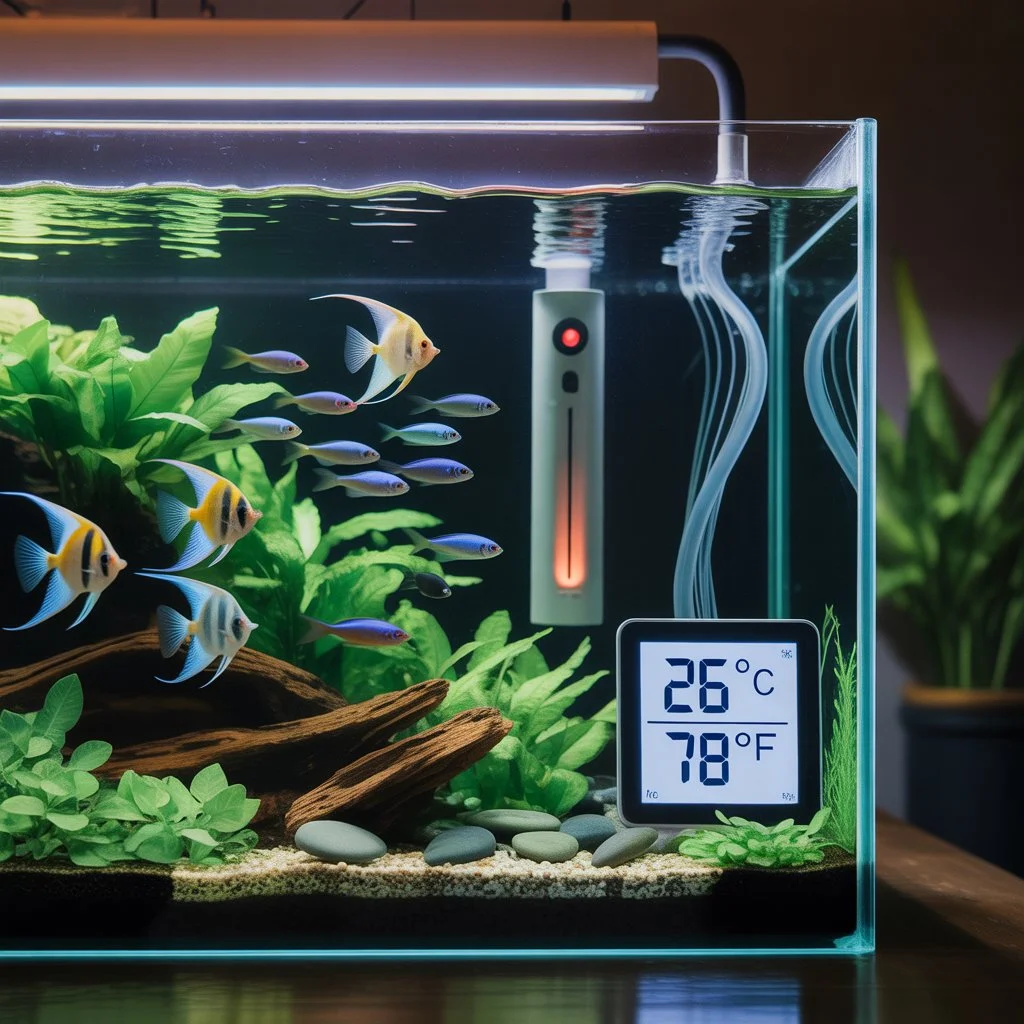
People always focus on fish choices, but equipment quietly controls the entire ecosystem.
Bad filtration leads to ammonia spikes. Stressed fish become aggressive. Then everyone blames the fish.
A stable setup usually includes:
Essential Community Tank Equipment
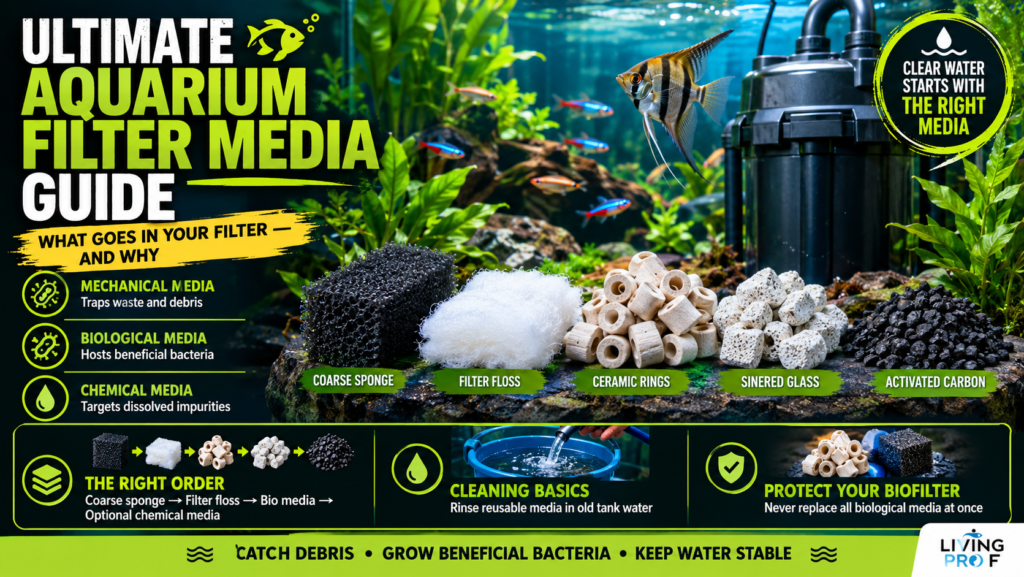
- Quality filter
- Stable heater
- Thermometer
- Air pump
Good filtration options appear in the 10 Best Aquarium Filters for Freshwater Tanks guide.
Temperature monitoring matters too, so I always recommend checking the Aquarium Thermometers Guide.
Your hand can’t detect a 3°C drop. A thermometer can.
And if you travel? Automatic feeders from Automatic Fish Feeders Guide help maintain consistent feeding.
Fish love routine. Mess with routine and they get weird.
6. Fish Combinations That Usually Fail
Some fish just shouldn’t share the same tank.
Beginners mix them anyway. I’ve seen it way too many times.
Bad Community Pairings
- Tiger barbs + long-fin fish
- Large cichlids + small schooling fish
- Betta + fin-nipping species
If you’re considering bettas, read the Betta Fish Care Guide first.
Some bettas behave peacefully. Others wake up and choose violence.
And large predatory fish? Those belong in species tanks like the ones described in Monster Exotic Giant Aquarium Fish Care Guide.
Small peaceful fish stand zero chance there.
7. My Personal Favorite Community Setup
After years of experimenting, I keep returning to the same peaceful setup.
Why? Because it just works.
My 30 Gallon Community Tank
- 8 Neon Tetras
- 6 Corydoras
- 6 Harlequin Rasboras
- 1 Honey Gourami
The gourami acts as the calm centerpiece fish.
Meanwhile schooling fish create movement in the middle of the tank, and Corydoras keep the bottom lively.
If you want more pairing ideas, the Breeding Aquarium Fish & Tank Companions Guide explains compatible species in more detail.
Community tanks feel balanced when every level of the tank stays active.
Top, middle, bottom. That’s the secret.
8. Common Community Tank Mistakes
I see beginners repeat these mistakes constantly.
Honestly, they cause most tank problems.
Common Mistakes
- Mixing aggressive fish with peaceful species
- Keeping schooling fish in tiny groups
- Overstocking small tanks
- Ignoring filtration capacity
- Feeding only flakes
You can also explore unusual peaceful species in the Tropical Freshwater Rare Aquarium Fish Guide.
Some rare species actually behave better than common ones.
Funny how that works sometimes 🙂
FAQs About Freshwater Community Fish
What is the easiest freshwater community fish setup?
Guppies, Corydoras, and neon tetras create one of the easiest and most peaceful combinations.
How many fish should I keep in a community tank?
Most schooling fish require groups of at least six to behave naturally.
Can angelfish live in community tanks?
Yes, but only with medium-sized peaceful fish that they cannot swallow.
Do community tanks need heaters?
Most tropical fish require stable temperatures, so heaters are usually necessary.
Do bottom feeders clean the tank?
They eat leftover food, but they do not replace regular maintenance or water changes.