Why Corn Snakes Make Ridiculously Good Beginner Snakes
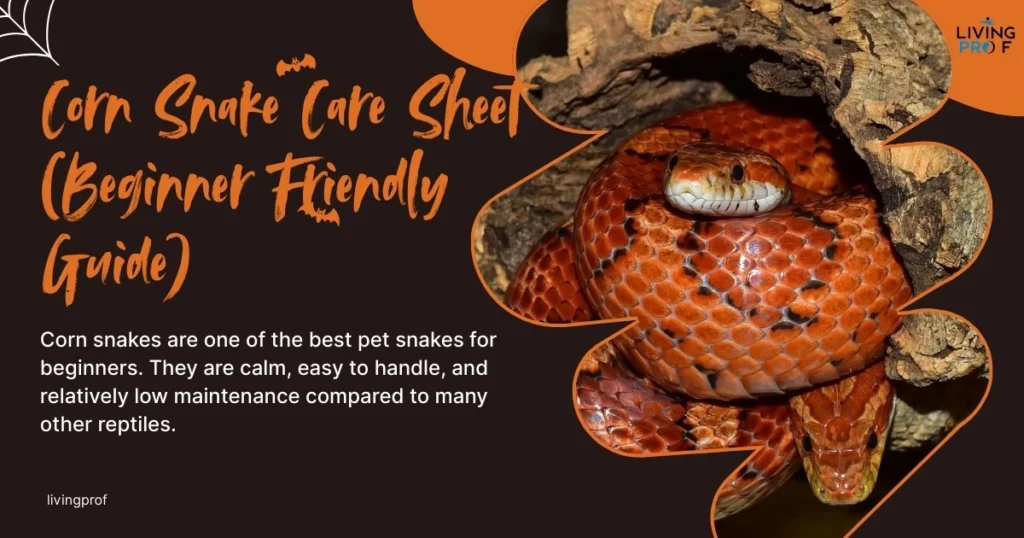
So… why do so many reptile keepers start with a corn snake? Good question. I asked the same thing years ago when someone handed me my first tiny noodle of a snake. Honestly, I expected chaos. Instead, the snake just sat there like a polite shoelace.
Corn snakes stay calm. They rarely bite. They eat well. That combo already makes life easier. Compared with something a bit more sensitive like a ball python, which sometimes refuses food like a picky toddler, corn snakes usually just… eat.
You’ll notice this pattern across beginner reptiles. The same reason people recommend Leopard Gecko care guide for beginners or Bearded Dragon care applies here too. The animal tolerates small mistakes.
And trust me, beginners always make tiny mistakes. I sure did.
A quick snapshot of why corn snakes work so well:
- Calm temperament
- Manageable adult size
- Simple enclosure needs
- Reliable feeding response
Ever wondered why reptile stores almost always suggest them first? Because they survive normal beginner learning curves.
One small confession though… my first corn snake escaped its enclosure once. Yeah. Found it two days later chilling behind a bookshelf like it owned the house. Lesson learned: secure lids matter.
Corn Snake Enclosure Setup (Tank Size, Heating, and Basics)
Alright, let’s talk homes. A corn snake doesn’t need a mansion, but it definitely needs a proper enclosure.
A 40-gallon tank works well for adults. Younger snakes start smaller, but they grow fairly quick during the first couple years. I usually skip tiny tanks and just upgrade early.
Temperature matters a lot. Snakes can’t control body heat on their own, so the enclosure needs a warm side and a cooler side.
Typical temperature setup:
| Area | Temperature |
|---|---|
| Warm side | 29°C (85°F) |
| Cool side | 24°C (75°F) |
| Night temp | Slight drop OK |
You’ll also want a thermometer. If you already keep aquariums, you might even recognize some gear ideas from guides like aquarium thermometers. Temperature monitoring works pretty similar.
Basic enclosure checklist:
- Two hides (warm side + cool side)
- Water bowl
- Substrate like aspen or coconut fiber
- Climbing branch
- Secure lid
Corn snakes climb more than people think. Mine spends half the night exploring branches like some tiny jungle explorer.
And yeah… they test lids constantly. A loose lid equals escape mission activated.
Substrate and Humidity: The Stuff Most Beginners Overthink
Let me ask you something. Do corn snakes need fancy rainforest humidity?
Nope.
People sometimes stress over humidity levels like they’re calibrating laboratory equipment. Relax a bit. Corn snakes come from fairly moderate climates.
Good substrate options:
- Aspen bedding (easy cleanup)
- Coconut fiber
- Reptile soil mixes
- Paper towels for young snakes
Humidity target: 40–60%
That’s basically normal household humidity in many places. When shedding time arrives, the snake may appreciate a humid hide though.
A simple humid hide setup:
- Small plastic container
- Hole cut in lid
- Damp sphagnum moss inside
Done. No fancy gadgets.
Sometimes people who keep aquariums treat humidity like water chemistry experiments. Same vibe as when beginners obsess over parameters for fish like those discussed in Discus fish tank requirements.
Corn snakes stay way simpler.
FYI, shedding problems usually happen when humidity drops too low. A stuck shed around the eyes? Add humidity and patience.
Feeding Corn Snakes Without Making It Weird
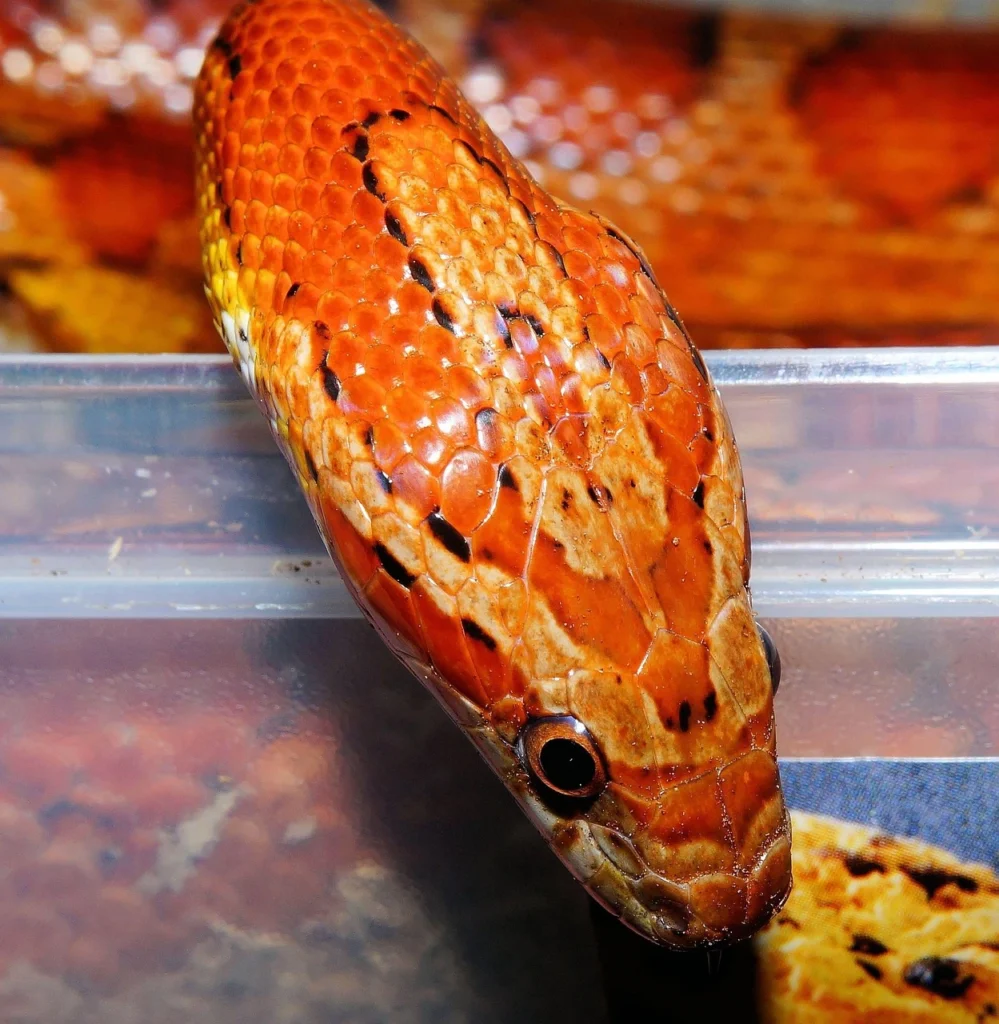
Feeding a corn snake stays very simple… once you get past the “I’m feeding a mouse to a snake” mental hurdle. Yeah, the first time feels strange.
Corn snakes eat frozen-thawed mice. Do not feed live unless absolutely necessary. Live prey can injure the snake.
Typical feeding schedule:
| Snake Age | Food Size | Frequency |
|---|---|---|
| Hatchling | Pinky mouse | Every 5–7 days |
| Juvenile | Fuzzy mouse | Every 7 days |
| Adult | Adult mouse | Every 10–14 days |
I follow feeding schedules similar to the planning tools used in reptile feeding schedule guides.
Some beginner tips I learned the hard way:
- Warm the mouse slightly before feeding
- Use feeding tongs
- Feed inside enclosure
Ever had a snake miss its food and bonk into the tank wall? Yeah… happens. They hunt by heat and smell, not perfect aim.
Also, don’t handle your snake right after feeding. Give it 48 hours.
Digesting a mouse while being handled? That’s a recipe for regurgitation. Not fun for anyone :/
Handling Corn Snakes Without Stressing Them Out
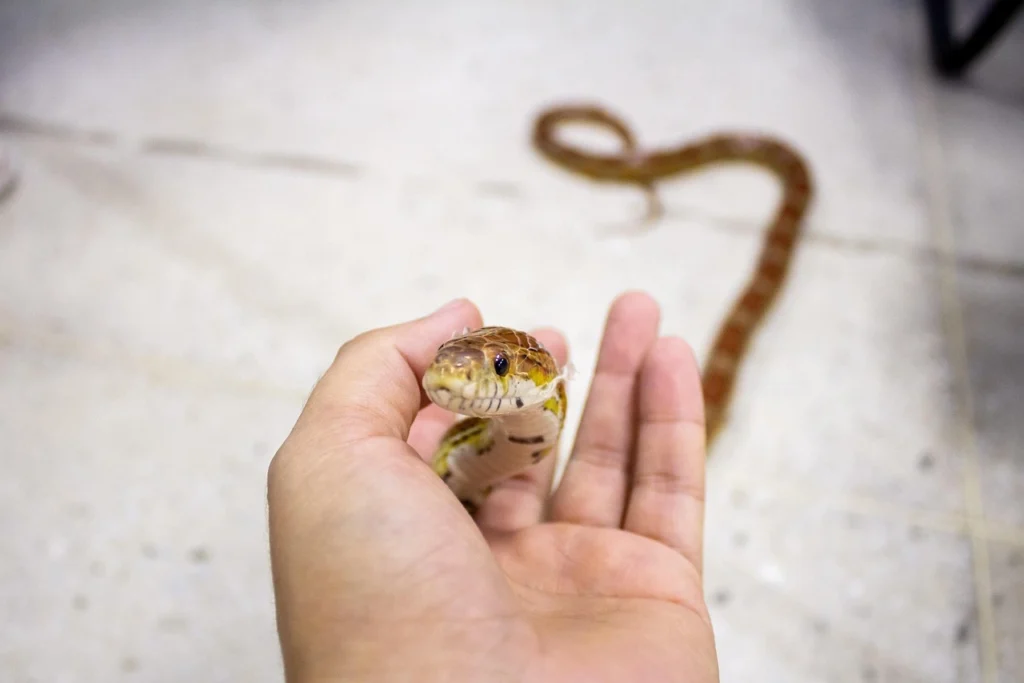
Handling scares beginners more than the snake sometimes. People imagine instant biting or wild thrashing.
Reality? Corn snakes usually stay chill.
Still, you want to build trust slowly. When you first bring a snake home, leave it alone for about a week. Let it explore and settle.
Handling tips:
- Approach slowly from the side
- Support the whole body
- Avoid grabbing the head
A calm snake feels like a slow moving rope in your hands. Pretty relaxing actually.
Ever wondered why some snakes strike when handled? Often the keeper rushed things.
Other reptiles show similar behavior too. Anyone who keeps lizards like those discussed in bearded dragon vs leopard gecko comparison knows patience matters early on.
My rule: short handling sessions at first.
Five minutes today. Ten minutes tomorrow. Soon the snake stops caring.
Honestly, some corn snakes seem to enjoy exploring sleeves and hoodie pockets. Weird hobby for a reptile… but okay.
Corn Snake Health Problems Beginners Should Watch
Most corn snakes stay healthy with basic care. Still, a few problems show up sometimes.
Common issues include:
- Respiratory infections
- Stuck shed
- Mites
- Refusing food
Respiratory infection signs:
- Wheezing
- Mouth slightly open
- Excess mucus
That usually links to low temperatures or stress.
Mites look like tiny moving black dots. If you see them, act quickly. Parasites can spread fast between reptiles.
Some keepers use treatments similar to parasite medications discussed in Praziquantel deworming medicine guide, though reptile-specific treatment advice from a vet always works better.
Here’s my personal rule: if a snake refuses three meals in a row, I start investigating.
Most of the time the cause stays simple:
- Temperature too low
- Stress from recent move
- Shedding cycle
Snakes sometimes skip food during shedding. Totally normal.
Growth, Lifespan, and What to Expect Long Term
So how big does a corn snake actually get?
Most adults reach 3–5 feet. That size stays very manageable compared with larger snakes.
Growth pattern usually looks like this:
| Age | Length |
|---|---|
| Hatchling | 25–35 cm |
| 1 year | 60–90 cm |
| Adult | 90–150 cm |
They also live 15–20 years if cared for properly.
Yeah… that surprises some beginners. A corn snake isn’t a short-term pet. It’s closer to the lifespan of animals kept by long-term hobbyists, similar to reptiles discussed in Sri Lankan black turtle care guide.
IMO, this long lifespan actually helps new reptile keepers learn patience.
One weird thing though: corn snakes grow fast during their first two years. After that, growth slows way down.
So if your baby snake looks tiny… give it time. It’ll stretch out soon enough.
Small Expert Tips Most Care Sheets Never Mention
Okay, these tips come from years of keeping corn snakes, not just reading guides.
First tip: add clutter inside the enclosure.
Corn snakes feel safer with branches, fake plants, and hides. A bare tank makes them nervous.
Second tip: use secure sliding locks on enclosure lids. Corn snakes test lids constantly. Escape artists… seriously.
Third tip: track feeding and shedding dates.
I keep a tiny log:
- Feeding date
- Shedding date
- Weight changes
It helps detect problems early.
If you enjoy reptiles in general, you’ll notice the same tracking habits in other reptile niches like those discussed in Tuataras reptile science article.
One more odd observation: corn snakes recognize routine.
Feed them at similar times each week and they start waiting near the front of the enclosure. My oldest snake literally appears when it hears the freezer open.
Coincidence? Maybe. Or maybe they’re smarter than we give them credit for.
Conclusion
Corn snakes make reptile keeping surprisingly simple. They stay calm, eat reliably, and tolerate beginner mistakes better than many reptiles.
Focus on the basics:
- Correct temperature gradient
- Secure enclosure
- Proper feeding schedule
- Moderate humidity
Handle them calmly and give them time to trust you.
Before you know it, that tiny hatchling turns into a relaxed four-foot snake that casually explores your living room during handling sessions.
And honestly? Watching a calm corn snake glide across your hands never really gets old.
Frequently Asked Questions
How often should I feed a corn snake?
Feed hatchlings every 5–7 days and adults every 10–14 days. Adjust prey size as the snake grows.
Do corn snakes bite beginners?
Rarely. Most bites happen when the snake mistakes a hand for food.
Do corn snakes need UVB lighting?
No. They thrive with normal enclosure lighting and proper heat.
How long do corn snakes live?
Most live 15–20 years in captivity with proper care.
Can corn snakes live together?
No. House them individually. Keeping them together often leads to stress or accidental cannibalism.
Why is my corn snake not eating?
Common reasons include shedding, stress from a new enclosure, or temperatures that are too low. Check enclosure conditions first.