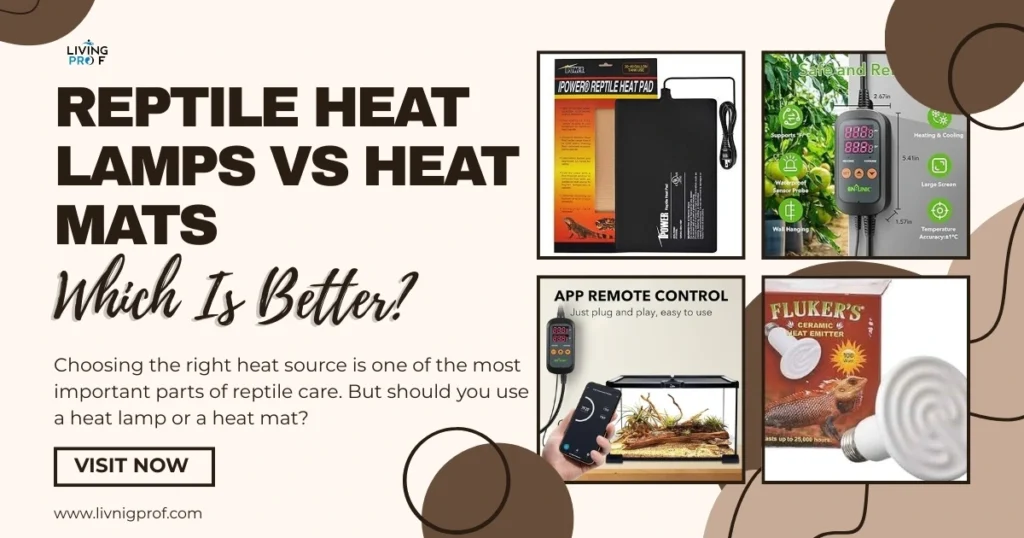
| Topic | Quick Answer |
|---|---|
| Heat Lamps | Best for reptiles that bask under sunlight like bearded dragons |
| Heat Mats | Better for ground-dwelling or nocturnal reptiles |
| Temperature Gradient | Lamps heat air and surfaces, mats heat only the ground |
| Energy Use | Heat mats use less electricity |
| Natural Behavior | Lamps mimic sunlight and basking |
| Safety | Both require thermostats to prevent burns |
| Best Setup | Many keepers use both together for stable heat |
Why Reptiles Even Need Artificial Heat
I’ll say it bluntly. Reptiles don’t create their own body heat. They borrow heat from the world around them.
That means if the enclosure temperature drops, their digestion slows down, their immune system gets lazy, and sometimes they just sit there like a confused potato. Not great.
If you’ve ever read the guide on Common Reptile Diseases (Symptoms & Treatment Guide), you’ll notice something funny. A lot of reptile health problems actually start with bad temperatures.
I learned this the annoying way. Years ago I kept a juvenile corn snake and assumed room temperature was fine. Spoiler: it was not fine. The snake stopped eating for two weeks and I panicked a bit.
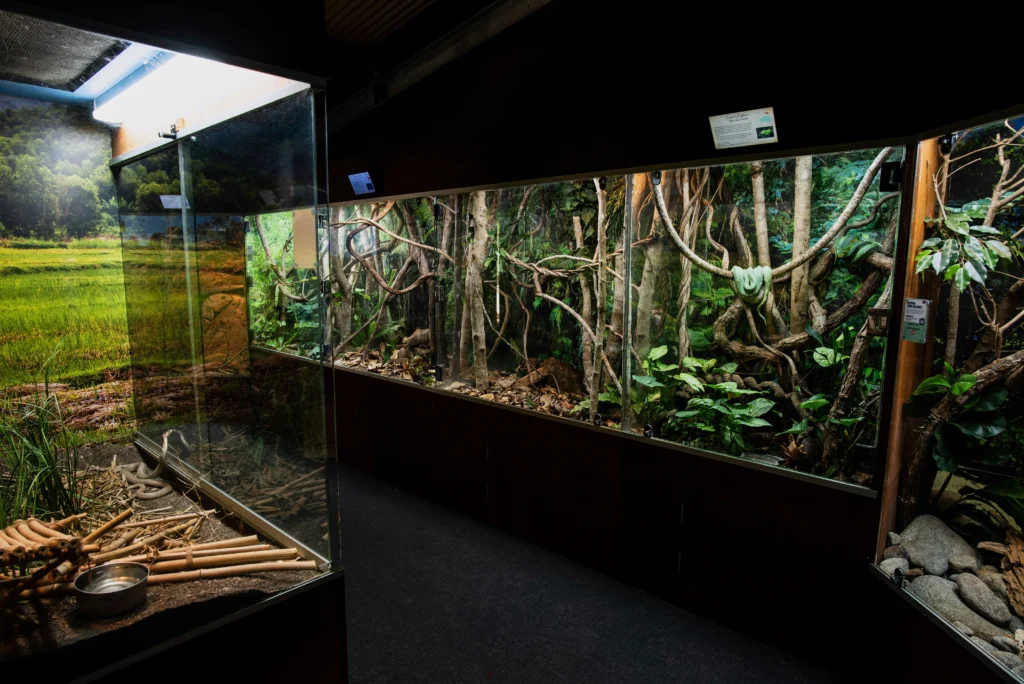
Reptiles need a temperature gradient, meaning one side warm and the other cooler. That lets them move around and regulate their body temp naturally.
Typical reptile temperature zones:
| Zone | Temperature |
|---|---|
| Basking spot | 90–105°F |
| Warm side | 80–88°F |
| Cool side | 70–78°F |
So the big question shows up fast.
Do you heat the tank from above… or from below?
Yep. That’s the whole heat lamp vs heat mat debate.
And reptile keepers argue about this like fish keepers argue about filters :/
How Heat Lamps Actually Work in a Reptile Enclosure
Heat lamps copy something reptiles evolved with for millions of years: sunlight.
Pretty simple idea honestly.
You mount the lamp above the tank, it shines down, and reptiles sit underneath it like little solar panels. I still laugh watching my bearded dragon pancake himself under the bulb.
If you’ve read the Bearded Dragon Care Guide you’ll know these lizards absolutely live for basking.
Heat lamps warm:
- the air
- the basking surface
- the reptile itself
That’s three layers of heat. Heat mats only handle one of those.
Typical heat lamp setup includes:
- Basking bulb (50–150W)
- Dome fixture
- Thermostat or dimmer
- Thermometer
Benefits of heat lamps:
- Create natural basking spots
- Heat large enclosures better
- Encourage natural behavior
- Provide light + heat simultaneously
But yeah… they have a few annoyances.
For example:
- Bulbs burn out eventually
- They use more electricity
- Some reptiles don’t like bright light at night
I usually shut off basking lamps at night and rely on ambient temps. Works fine for most species.
IMO heat lamps just feel more natural for many reptiles.
But hold up — heat mats also have their place.
What Heat Mats Do (And What They Don’t Do)
Heat mats warm the tank from underneath.
Simple concept. The mat sticks to the bottom or side of the enclosure and gently warms that surface.
Ground-dwelling reptiles love this.
Species like leopard geckos spend time on warm rocks in the wild. A heat mat mimics that.
If you check the Leopard Gecko Care Guide for Beginners you’ll notice something interesting. These geckos often absorb heat through their bellies.
That’s why heat mats work great for them.
Heat mats usually provide:
- 80–95°F surface heat
- Low electricity use
- No visible light
Advantages of heat mats:
- Quiet and simple
- Cheap to run
- Perfect for nocturnal reptiles
- Work well in rack systems
But there’s a catch.
Heat mats don’t warm the air.
That means in a big terrarium the tank can still feel cold even if the mat runs hot underneath.
Another mistake beginners make? Skipping the thermostat.
Never do that.
Without a thermostat a heat mat can reach 120°F or higher, which can burn reptiles. Yeah… not fun.
Heat Lamps vs Heat Mats — Real Differences
Alright let’s break it down clearly.
| Feature | Heat Lamp | Heat Mat |
|---|---|---|
| Heat direction | Above | Below |
| Air heating | Yes | No |
| Surface heating | Yes | Yes |
| Natural basking | Yes | No |
| Electricity use | Higher | Lower |
| Best for | Diurnal reptiles | Nocturnal reptiles |
Now here’s where things get interesting.
Species like corn snakes sometimes use both. The guide on Corn Snake Care Sheet explains this pretty well.
A common setup:
- Heat mat for belly warmth
- Lamp for daytime heat gradient
That combo works really well.
I use that exact setup in one of my snake tanks right now.
Does every reptile need both? Nope.
But the mix can create a stable temperature range that reptiles love.
Which Reptiles Need Heat Lamps
Some reptiles absolutely demand overhead heat.
These species bask naturally in the wild.
Examples include:
- Bearded dragons
- Iguanas
- Uromastyx
- Many turtles
- Day geckos
If you’re choosing between reptiles like in Bearded Dragon vs Leopard Gecko, heating actually becomes a big decision.
Bearded dragons need:
- 95–105°F basking spot
- Bright light
- UVB exposure
Heat mats simply can’t create that environment.
Without proper basking temperatures, reptiles struggle with:
- digestion
- metabolism
- calcium absorption
And yeah… that leads to health issues.
I once visited a friend who kept a bearded dragon with only a heat mat. The dragon barely moved all day. We swapped to a basking lamp and suddenly the lizard acted like a tiny dinosaur again.
Funny how that works.
Which Reptiles Prefer Heat Mats
Now flip the script.
Some reptiles avoid bright heat sources.
They hide. They burrow. They move mostly at night.
Examples:
- Leopard geckos
- Ball pythons
- Kenyan sand boas
- Many nocturnal snakes
Take ball pythons for instance. The care guide Ball Python Care Guide shows how these snakes hide during the day and explore at night.
Because of that behavior, heat mats work great.
Typical ball python heating setup:
- Heat mat under warm hide
- Thermostat set to 88–92°F
The snake rests on that warm spot to digest food.
FYI — many breeders use rack systems where heat mats run the whole operation. Lamps would actually stress the snakes.
So again… the reptile species decides the heating method.
Not the other way around.
Common Heating Mistakes (I’ve Made a Few…)
Reptile keepers mess this up all the time.
Honestly I messed up a couple things when I started too.
Here are the big mistakes I see:
1. No Thermostat
Both heat lamps and mats need temperature control.
Otherwise temperatures can spike fast.
2. Only One Temperature Zone
Reptiles need a gradient.
They move between warm and cool areas to regulate their body.
3. Night Heat Confusion
Some reptiles tolerate cooler nights just fine.
Others don’t.
When feeding snakes like those in the Ball Python Feeding Schedule guide, digestion depends heavily on proper warmth.
Too cold = food sits in the stomach.
And that can cause regurgitation.
Not pleasant… trust me.
Best Heat Lamps and Heat Mats (Amazon Picks)
These are solid reptile heating products you’ll see recommended often.
1. Zoo Med Repti Basking Spot Lamp
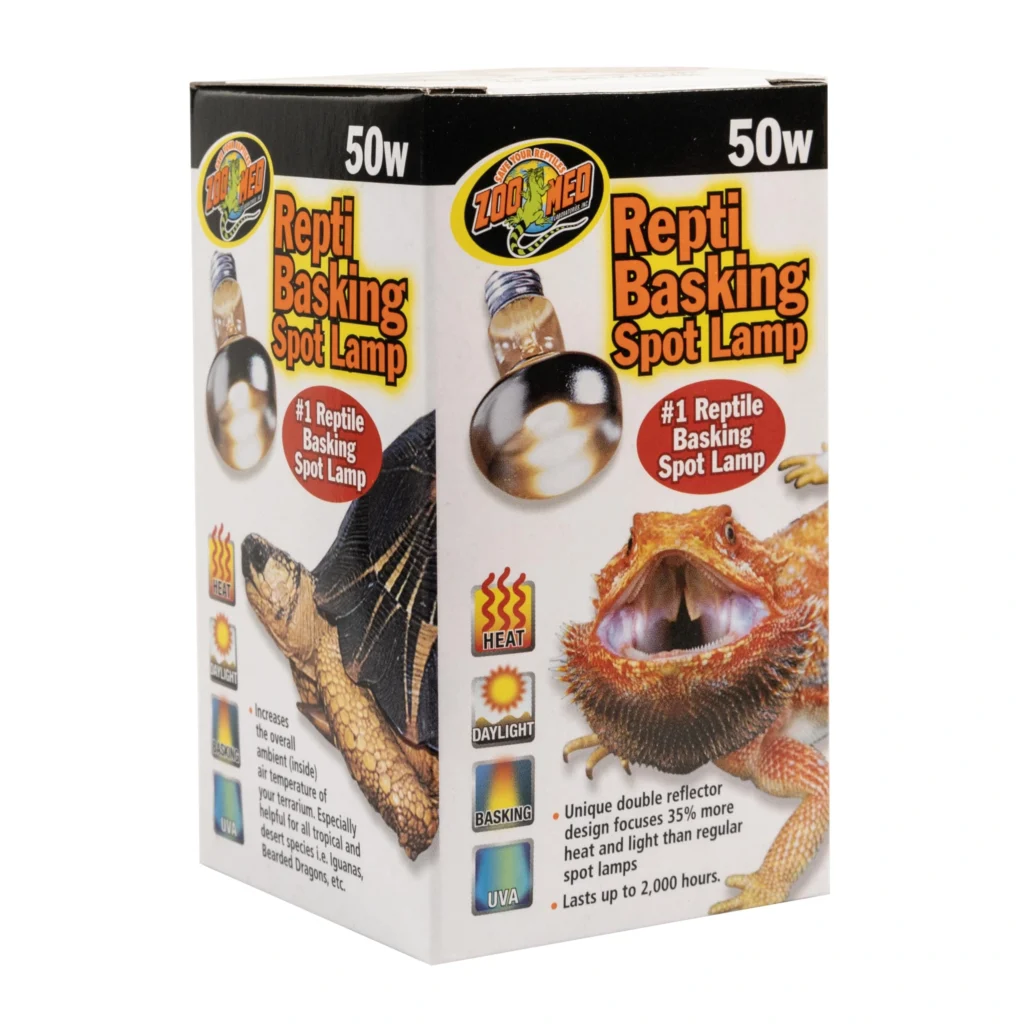
Details:
- Powerful basking bulb
- Creates focused heat spot
- Works well for dragons and iguanas
Pros
- Reliable heat output
- Affordable
- Easy replacement
2. Fluker’s Ceramic Heat Emitter
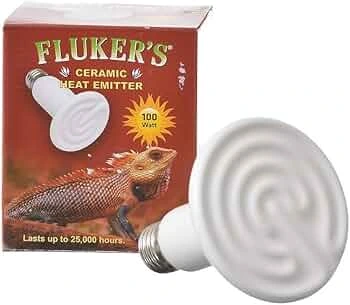
Details:
- Produces heat without light
- Perfect for nighttime heating
Pros
- Long lifespan
- Stable heat
- Good for snakes
3. iPower Reptile Heat Mat
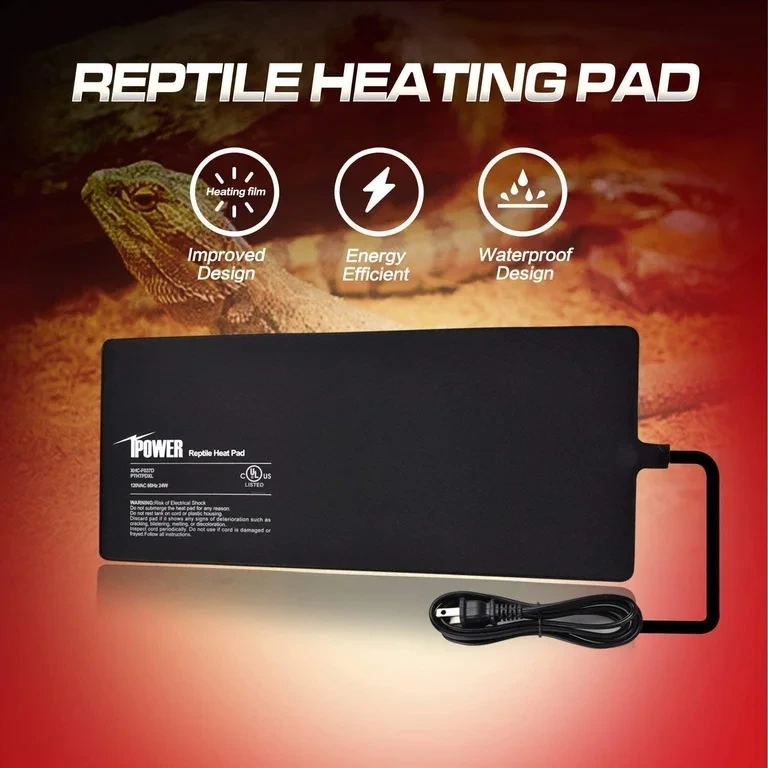
Details:
- Under-tank heater
- Even surface heat
Pros
- Energy efficient
- Ideal for geckos and snakes
4. BN-LINK Digital Thermostat Controller
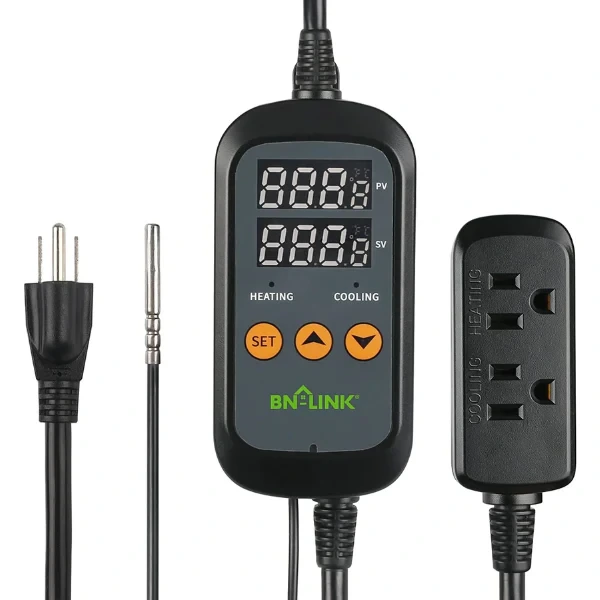
Details:
- Controls heating devices
- Prevents overheating
Pros
- Accurate
- Easy to use
- Works with lamps and mats
Conclusion
So which heating method wins?
Honestly… both.
Heat lamps shine for reptiles that bask under bright light. Heat mats work great for species that absorb heat through surfaces.
Most setups work best when you match heating with the reptile’s natural behavior.
Simple rule I follow:
- Basking reptiles → heat lamp
- Burrowing reptiles → heat mat
And yeah… sometimes using both creates the most stable setup.
If you watch your reptile’s behavior closely, it’ll basically tell you whether the heating is right or not. They’re surprisingly good at that 🙂
Frequently Asked Questions
Do reptiles need heat lamps at night?
Usually no. Many reptiles tolerate cooler night temperatures. Some keepers use ceramic heaters if the room gets too cold.
Are heat mats safe for reptiles?
Yes, but always use a thermostat. Without one the mat can overheat and burn the animal.
Can I use both heat lamp and heat mat?
Yes. Many keepers combine them to create a better temperature gradient.
Which is cheaper to run?
Heat mats use less electricity, so they cost less long term.
What reptiles should not use heat mats?
Reptiles that depend on basking, like bearded dragons, should rely mostly on overhead heat.